






 Portuguese
  Spanish
  2 min of reading


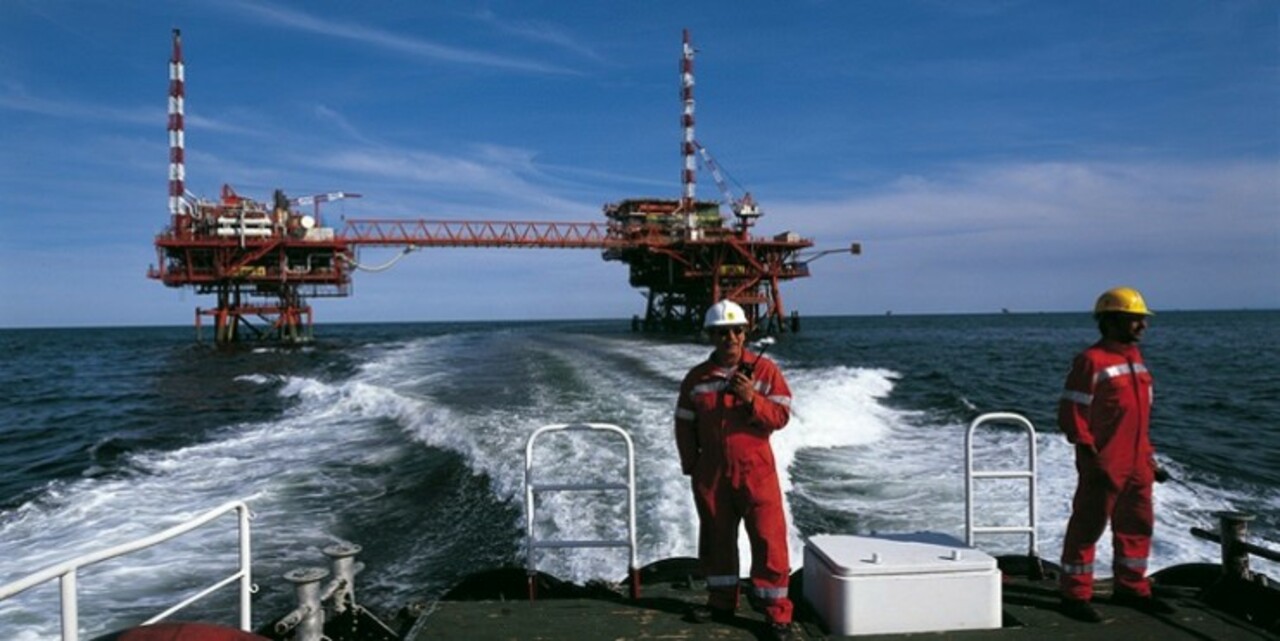
Decision Made by the Danish Parliament to Vote to Halt Offshore Exploration and Production Projects by 2050 Announced Last Friday (4)
Denmark announces a gradual end to oil and gas offshore exploration and production projects in the North Sea by 2050, as well as the cancellation of all future licenses for this type of offshore oil exploration and production work in the area.
Read Also
Denmark, the Largest Offshore Oil Producer in the European Union, Closes Its Doors
The largest offshore oil producer in the European Union, Denmark has been exploring offshore since 1972, currently producing around 100,000 barrels of crude oil per day, according to official estimates. On the continent, it only ranks behind Norway and the United Kingdom, which are not part of the European Union.
Denmark Aims to Reduce Carbon Emissions by Halting Offshore Oil Production
The decision to terminate activities is part of plans to reduce carbon emissions in the atmosphere over the next 30 years, potentially leading to the end of the fossil fuel era in Danish territory. The decision is also aligned with the guidelines of the Paris Agreement, thus contributing to the mitigation of global warming.
-
IEA reduces forecast for global oil demand in 2026 after impacts of the Middle East crisis

-
Bank of Japan raises interest rates to 1%, reaching the highest level in over three decades

-
ANP halts LPG reform, and Sindigás sees technical caution as a decisive point for safety, investments, and the future of the cylinder in Brazil.
-
Oil spill in the Caribbean raises environmental alert and increases tension between Venezuela and Trinidad and Tobago





To become increasingly less dependent on oil, Denmark has made significant investments in renewable energy sources over the past few years. The country was one of the first to adopt wind energy, and currently, more than one-third of the country’s electricity production is derived from this technology.
Environmental Activists Celebrate Denmark’s Decision
The decision by Denmark to cease offshore oil extraction and production activities was widely celebrated by environmental activists. Greenpeace, for example, hailed the country’s decision as “historic for the phase-out of fossil fuels” and hopes it serves as a reference for other countries.







Be the first to react!