Portuguese
  Spanish


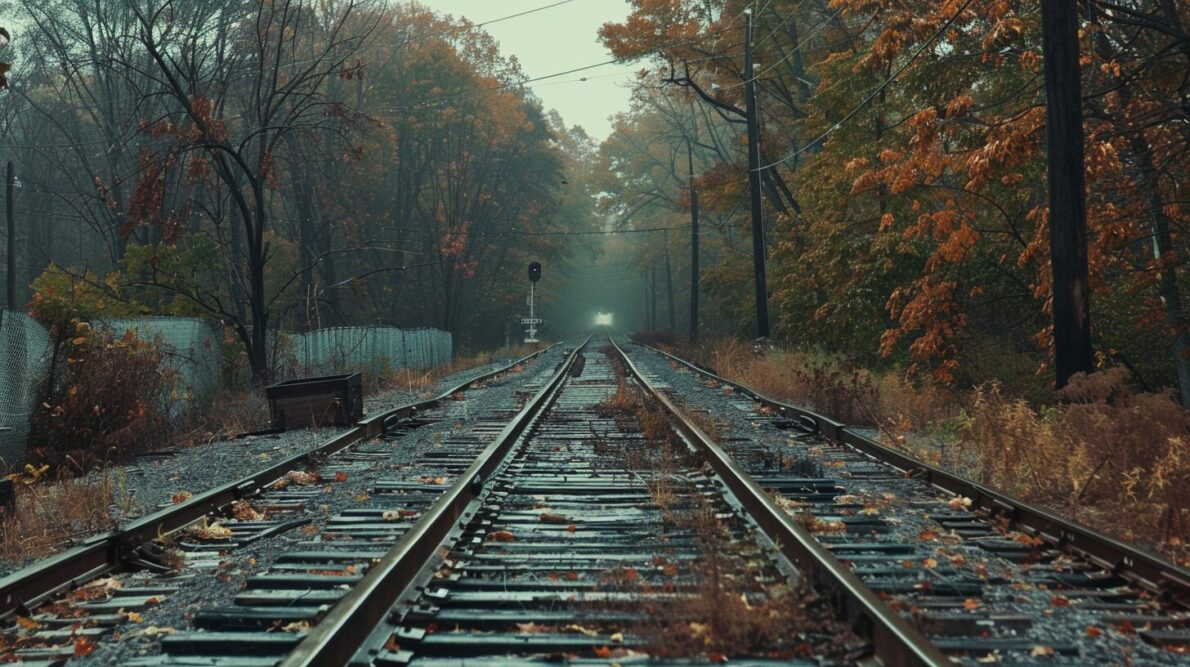

Brazil Has The Largest Railway Network In South America, But Is Still Far Behind The Great World Powers In Innovation And Technology
The lack of a high-speed railway connecting São Paulo and Rio de Janeiro is one of Brazil’s biggest infrastructure challenges. Despite the potential and obvious advantages, the country has yet to implement this technological solution. But hope is not lost: a new incentive plan for railways promises to change this reality, bringing modernization and efficiency to Brazilian transportation.
Let’s explore how the construction of this railway can transform Brazil’s economy and development, and why it is essential to invest in technology to ensure a more sustainable and competitive future, according to capitalfinanceiro.
The Legacy Of The Highway: Decades Of Underinvestment In Railways
Brazil has the largest railway network in South America, but it still lags far behind the great world powers in terms of investment and technology. For decades, especially during the administration of Jucelino Kubitschek, the country prioritized highways, leading to underinvestment and abandonment of railways. This focus on roads resulted in outdated and underutilized railway infrastructure.
-
Brazil’s North-South Railway to Auction Two Grain Terminals in Central Tocantins

-
AI-powered traffic cameras in São Paulo now issue fines for cellphone use and seatbelt violations around the clock

-
Brazil’s First Freight Railway Built from Scratch, EF-118 Connecting Espírito Santo to Rio de Janeiro, Goes to Auction in October Attracting Chinese Giant in Multi-Billion Dollar Bid for Southeast Rail Network
-
Free Upgrade to Professional Driver’s License Categories in Over 130 Locations in Brazil, Including Exams and Courses



However, the tide is turning. The Brazilian government is implementing new incentives to revitalize the railways. The construction of a high-speed railway linking Campinas to Rio de Janeiro is a crucial step in this process. This ambitious project promises to reduce travel time between the two cities to just one hour, using state-of-the-art bullet trains.
The Economic Impact: Bringing Cities Closer And Boosting Businesses
The high-speed railway is not just a matter of convenience; it is an economic opportunity. Bringing São Paulo and Rio de Janeiro closer together can significantly boost Brazil’s economic development. With the new railway, the transportation of people and goods will be more efficient, facilitating access to job, study, and leisure opportunities.
China serves as an excellent example of the positive impact that high-speed railways can have on the economy. The country’s extensive bullet train network has not only improved connectivity between cities but also boosted economic growth and technological innovation. Brazil has the chance to follow this successful model, modernizing its infrastructure and becoming more competitive on the global stage.
Sustainability And Future: More Efficient And Ecological Transport
In addition to the economic benefits, the high-speed railway is also crucial for Brazil’s sustainable development. Reducing dependence on highways and investing in more efficient transport can significantly decrease greenhouse gas emissions. This contributes to a greener and healthier future for the country.
The high-speed railway project represents a unique opportunity for Brazil to modernize. Besides improving the quality of life for people by facilitating access to essential services, the new railway will also promote the use of advanced and sustainable technologies. Therefore, this investment is a crucial step toward building a more connected, efficient, and ecological Brazil.
The High-Speed Railway
The construction of a high-speed railway between São Paulo and Rio de Janeiro is more than a necessity; it is an opportunity to transform Brazil. With advanced technology and a sustainable approach, the country can become more competitive on the global stage, boosting its economy and improving the quality of life for its citizens. It is time for Brazil to invest in railways and build a brighter and more sustainable future.
“railway”, “train”, “brazil”, “construction”,