Portuguese
  Spanish


Discover How an Accessible Practice Can Transform the Physical, Mental, and Social Health of Those Over 60, Promoting Autonomy, Quality of Life, and Well-Being in a Scientifically Proven Way.
Incorporating cycling into the daily routine has emerged as an effective and accessible strategy to promote quality of life and well-being among people over 60.
The practice of cycling, whether for leisure or transportation, offers widely proven benefits, going beyond traditional physical conditioning and positively influencing mental and social aspects of aging.
Recent studies conducted in countries like Japan and the United Kingdom reinforce that the habit of cycling is directly related to longevity and the prevention of chronic diseases in older adults.
-
Discarded Firefighter Uniforms Repurposed into Fire-Resistant Fabric by Spanish Company

-
Brazilian Designers Turn Urban Waste into Vegan Fashion, Diverting Nearly 1 Ton of Waste and Earning $2.2 Million in 2024
-
Farmer Discovers Rare Roman Mosaic in England, Unveiling Scenes from the Trojan War and Transforming British Archaeology After Decades of Mystery

-
Low-Cost Concrete Panel House Goes Viral: Investor Reveals Prefabricated Kit Structure for Around $1,500, Assembled in 30 Days, with Plans for Rental and Resale Income


Scientific data and evidence show that regular cycling contributes to strengthening autonomy, maintaining independence, and reducing the risk of social isolation, which are common issues among the elderly.
In addition to stimulating cardiovascular health and improving muscle strength, cycling promotes balance, motor coordination, and social integration.
Experts emphasize that cycling frequently can significantly reduce the need for long-term care while providing a greater sense of freedom and belonging to the community.
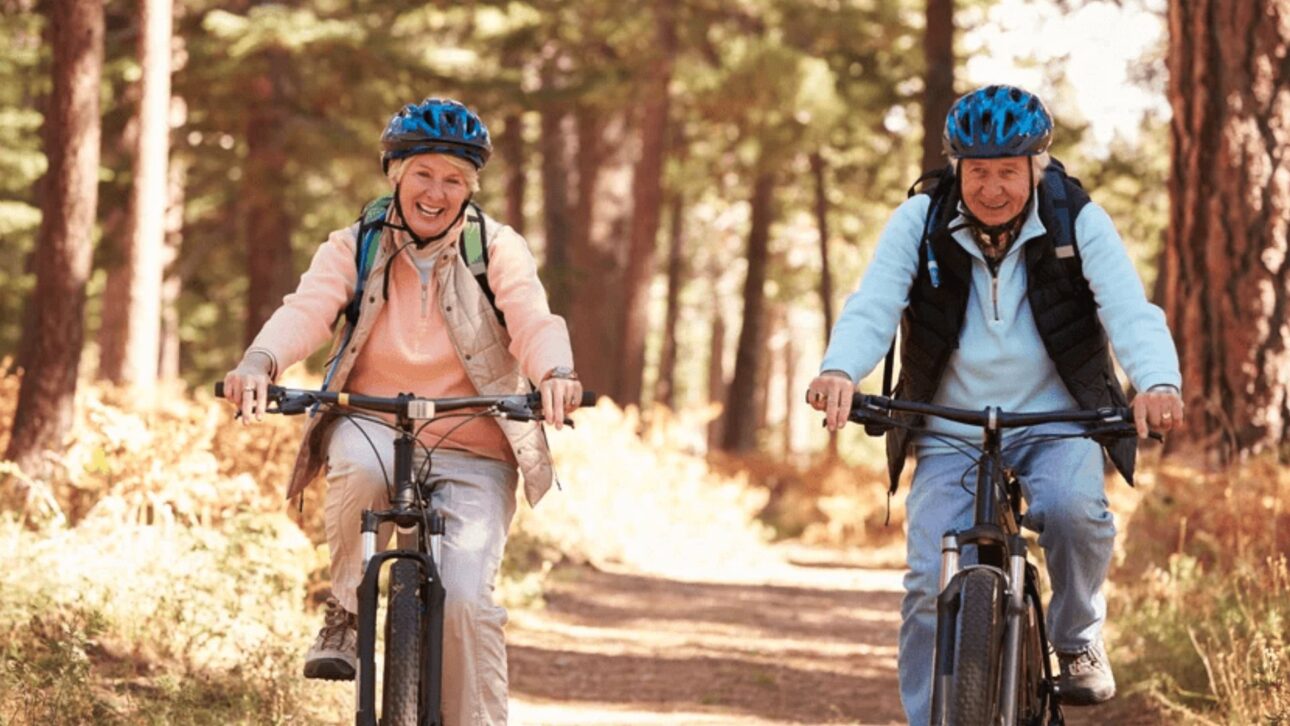
Main Benefits of Cycling for Health After 60
Various studies indicate that cycling is an ally in preventing diseases such as hypertension, type 2 diabetes, obesity, and certain types of cancer.
Regular practice helps control body weight, contributes to reducing bad cholesterol (LDL), and increases levels of good cholesterol (HDL).
Strengthening the leg muscles and improving blood circulation help prevent thrombosis and vascular diseases, critical factors for older adults.
In addition to its effects on the body, cycling is recognized for stimulating essential cognitive functions.
The constant exercise of attention, coordination, and decision-making while cycling protects the brain against cognitive decline associated with aging.
There are reports and results from clinical studies that associate the practice with reduced symptoms of anxiety and depression, contributing to healthier mental aging.
Another highlight is that cycling represents a low-impact activity for the joints.
Unlike exercises like running, cycling reduces the risk of injuries and strain on the knees and ankles, making it a viable alternative for those with physical restrictions or who seek to prevent chronic pain.
This allows people with different fitness levels to remain active without significant risks.
Cycling and Longevity: What Recent Studies Say
Research conducted by recognized institutions, such as the University of Tokyo and King’s College London, confirms that people over 60 who incorporate cycling as part of their routine show better performance in physical and mental health tests.
According to surveys, these adults have a lower incidence of heart disease and report fewer functional limitations in daily activities.
These studies also highlight that the weekly frequency of cycling is associated with increased longevity.
Results published in 2024 show that older adults who cycle at least three times a week report higher levels of autonomy, sleep quality, and energy.
Contact with outdoor environments, promoted by cycling, enhances the benefits, stimulating social interaction and reducing stress.
How to Include Cycling in Your Daily Life Safely
Adopting cycling as part of your daily routine can be simple, provided that basic safety and adaptation guidelines are followed.
The first recommended step by experts is to undergo a medical check-up, especially in cases of pre-existing conditions or mobility restrictions.
Professional supervision ensures that the intensity and frequency of the practice are suitable for each individual’s profile.
Choosing a bike that suits your body size and using protective gear, such as a helmet and appropriate clothing, are essential measures to avoid accidents.
Preventive maintenance, with regular checks of tires, brakes, and chain, is also essential to ensure safety during rides.
Many adults over 60 have chosen to replace small daily trips, such as going to the market, pharmacy, or visiting friends, with cycling.
This alternative allows for the natural incorporation of physical activity into the routine, without the need to set aside exclusive times for exercise.
Planning safe routes, prioritizing bike paths or streets with low vehicle traffic, increases safety and encourages adoption of the new habit.
Why Cycling Stands Out as an Advantageous Option for Elders
Among older adults, cycling provides more than just health benefits.
It represents a social inclusion tool, increases mobility, and reduces the risk of isolation — an aspect often associated with the loss of autonomy in old age.
Studies show that simply cycling to meet friends or participate in community activities boosts self-esteem and emotional well-being.
Another relevant point is the contribution to balance and fall prevention, responsible for a large part of hospitalizations among the elderly.
The constant stimulation of coordination and postural control reduces the risk of domestic and external accidents, promoting safer and more active aging.


Essential Care Before Starting Cycling Practice
Experts recommend several steps to ensure a positive and lasting cycling experience, particularly for those resuming physical activities after a long period.
- Consult a doctor
- Choose a bike suited to your body
- Start with short routes and gradually increase the distance
- Choose times with less traffic
- Maintain constant hydration
- Prefer well-lit areas
- Use proper signaling
- Respect traffic rules
Using these precautions makes the experience safer and encourages the continuation of the practice.
The Simple and Powerful Habit for Better Living After 60
Cycling thus consolidates itself as an efficient alternative to ensure quality of life, autonomy, and physical and mental health in old age.
Integrating cycling into everyday life is a choice that stimulates not only the body but also expands the social circle and provides a sense of freedom.