Portuguese
  Spanish


Balneário Camboriú advances in macrodrenage against flooding at Central Beach, with 3,700 culverts installed and a R$ 53 million project. The new stage on Rua 51 changes access to Avenida Atlântica for 30 days, blocks parking, and requires an alternative route for drivers, according to the city hall in May 2026, in the tourist center.
Balneário Camboriú advanced in one of the city’s most strategic projects to try to reduce flooding in the central region. The macrodrenage of Central Beach surpassed the mark of 3,700 culverts installed and is approaching 70% completion in the North stage, according to information released by the city hall on May 21, 2026.
At the same time, the project began to directly affect drivers’ routines. Starting May 25, 2026, a new phase on Rua 51 altered access to Avenida Atlântica, with traffic changes expected for 30 days, as published by ND Mais based on municipal information.
Mega project has already surpassed 3,700 culverts in Balneário Camboriú
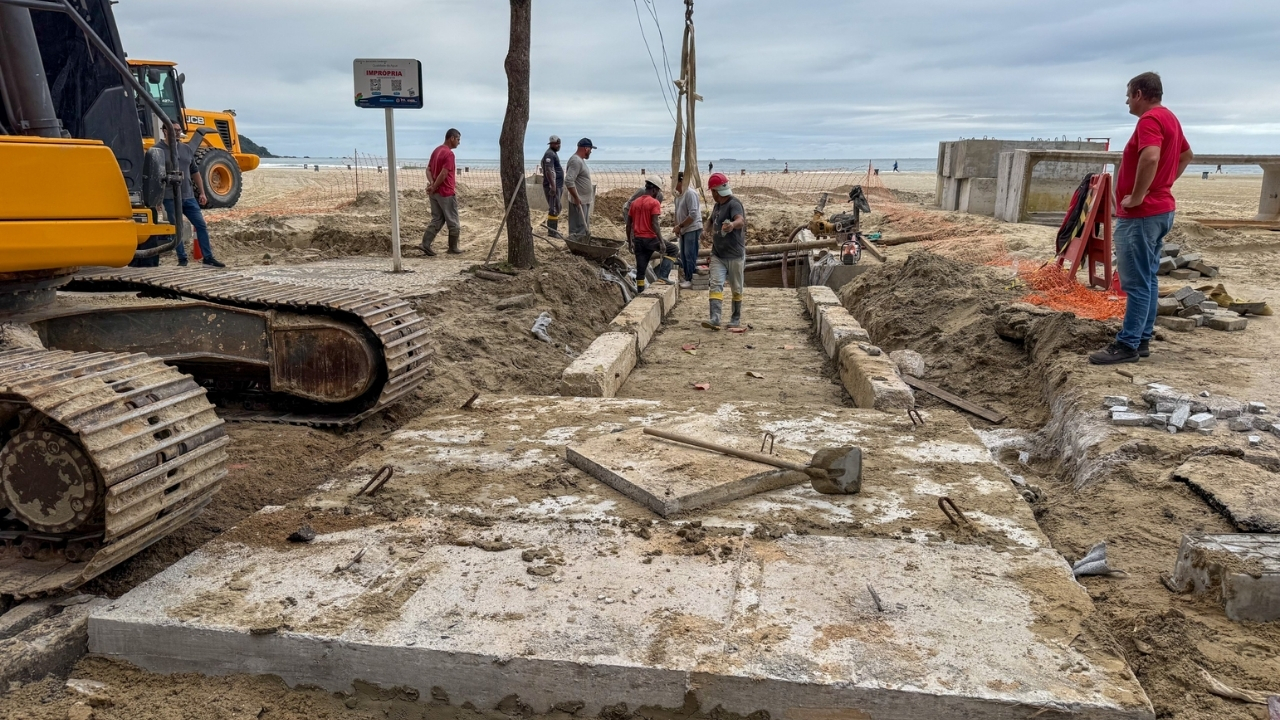
The macrodrenage of Balneário Camboriú has surpassed the mark of 3,700 culverts installed, concrete structures used to form underground drainage galleries. In the North stage, the intervention already totals more than 1.8 kilometers of installed galleries.
-
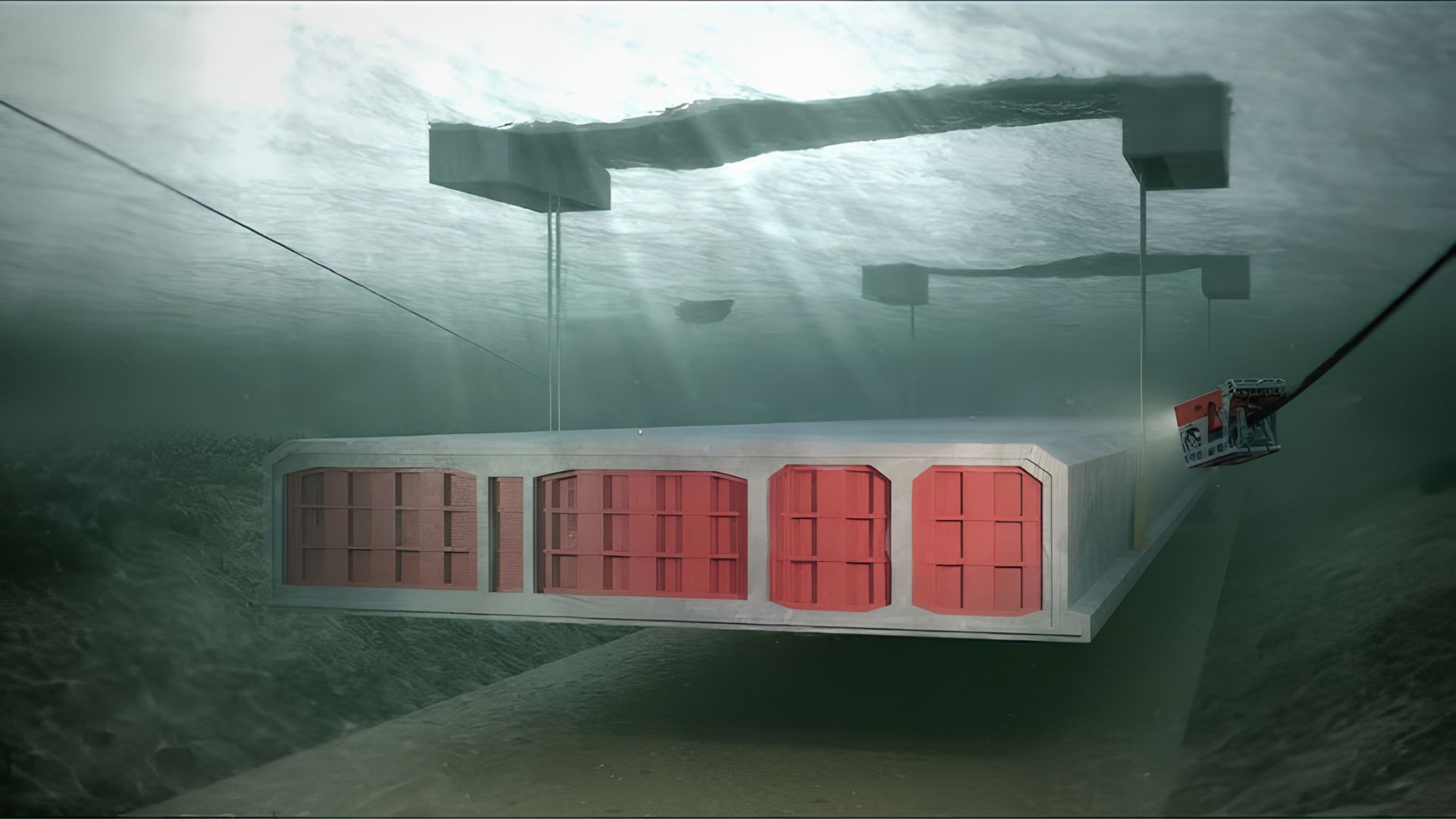
Denmark Constructs World’s Largest Immersed Tunnel to Connect with Germany, Sinking 217-Meter Concrete Sections in the Baltic Sea

-
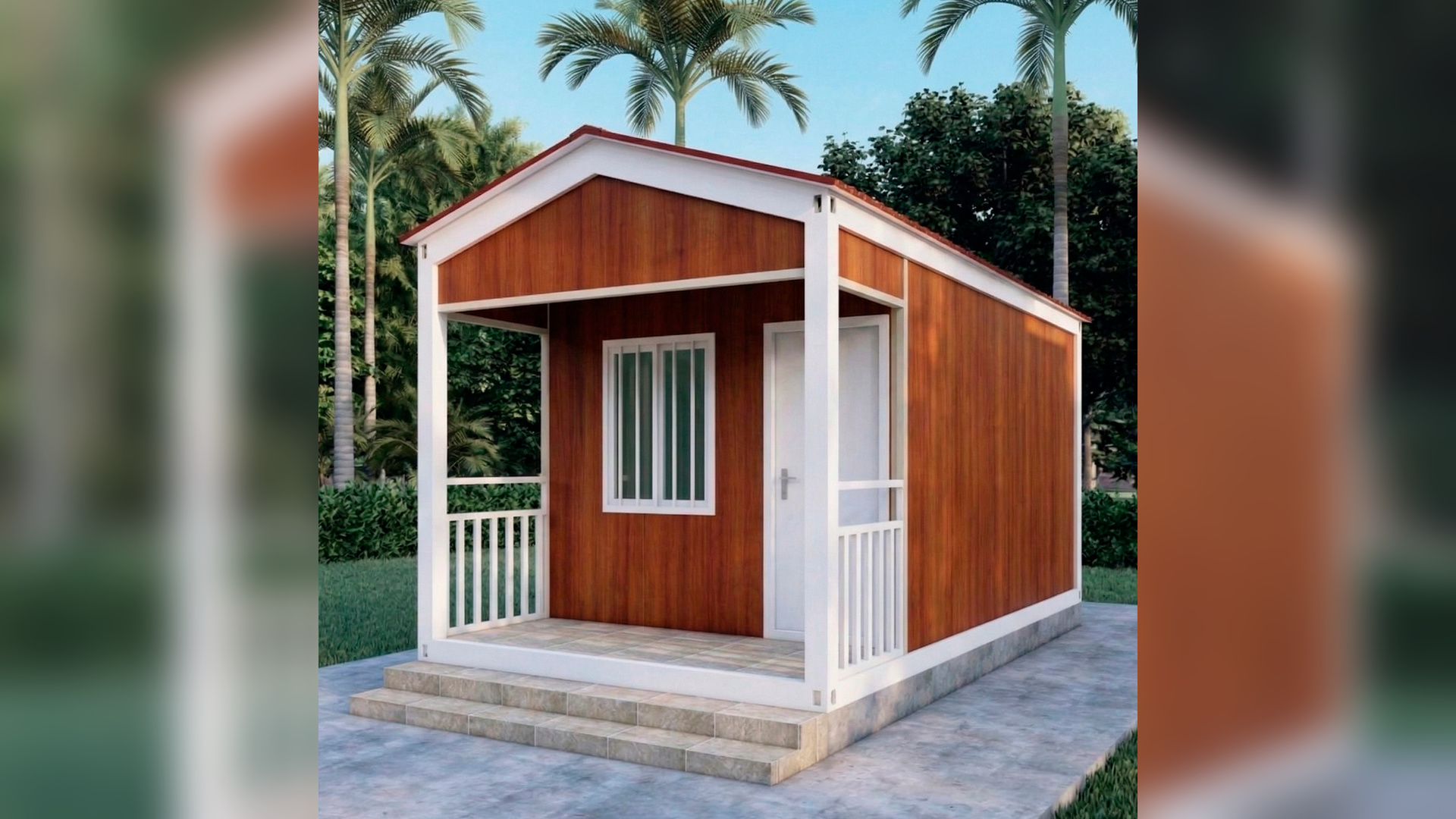
Low-Cost Concrete Panel House Goes Viral: Investor Reveals Prefabricated Kit Structure for Around $1,500, Assembled in 30 Days, with Plans for Rental and Resale Income

-
Polymeric Mortar Revolutionizes Brazilian Construction with Efficient, Clean Application and Uniform Finish

-
Biologist Builds 160m² Dream Home in Brazil for $32,000 Using Eco-Friendly Bricks, Achieving 67% Savings Through Smart Planning and Simple Solutions


These structures were implemented both on the sand strip of Central Beach and on nearby roads. The goal is to connect the existing gallery on Avenida Atlântica to the Marambaia Canal, creating a more robust system to conduct excess water during periods of intense rain.
R$ 53 million project attempts to reduce flooding in the central region
The macro-drainage project has a total investment of R$ 53 million, considering the North and South stages. According to the city hall, the intervention was planned to protect the sand strip, the new boardwalk of the waterfront, and significantly reduce the risk of flooding in the central region.
The North stage includes 5,290 units of prefabricated reinforced concrete culverts. It also includes underground galleries along 2.4 kilometers, connecting Rua 2000 to the Marambaia Canal. In practice, the city is trying to increase the drainage capacity before water accumulates in critical points.
Central Beach receives excavations and new underground structures
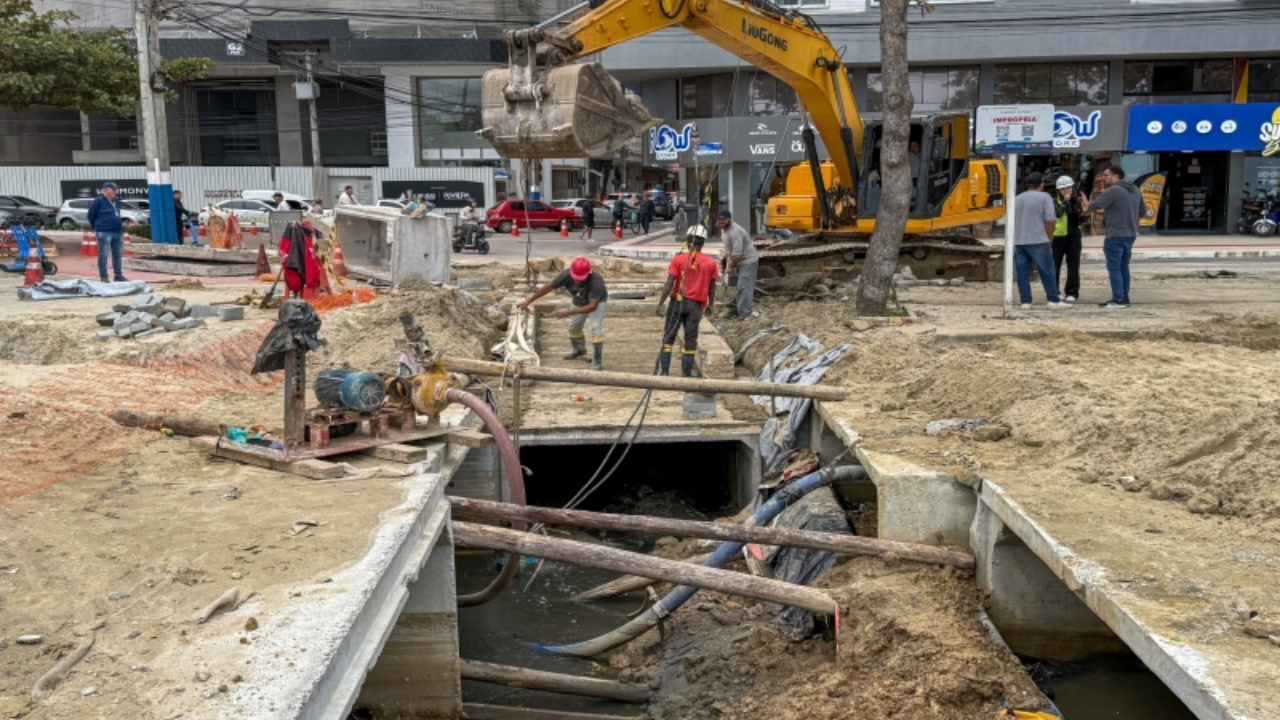
The teams are also working in Central Beach, where the excavations for the installation of new culverts have already reached the height of Rua 1400. The work progresses through different sections to connect existing network points to new underground structures.
Another front is occurring at the height of Avenida Alvin Bauer, where a box is being built to connect the overflow to the Atlântica gallery. These connection boxes function as key points to integrate the network and allow water to be directed more efficiently.
Rua 51 entered a new phase and changed access to Avenida Atlântica
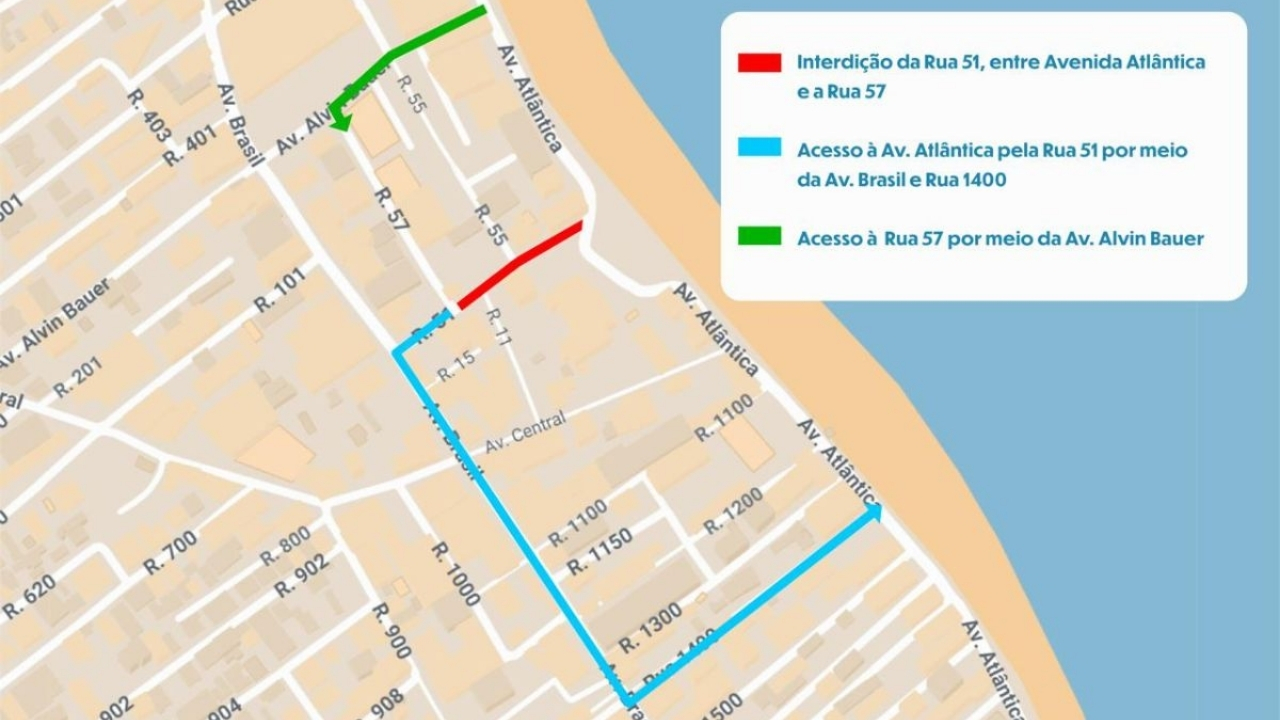
The new stage began on Rua 51, in the Center of Balneário Camboriú, with a total closure of the section between Avenida Atlântica and Rua 57. The change was expected to last 30 days, starting at 8 a.m. on Monday, May 25, 2026.
During this period, drivers who want to access Avenida Atlântica should use Rua 1400 as an alternative route. Meanwhile, residents of Rua 57 can access the street via Avenida Alvin Bauer or Avenida Brasil, following Rua 51 itself.
Blocked parking and machines on the track require attention
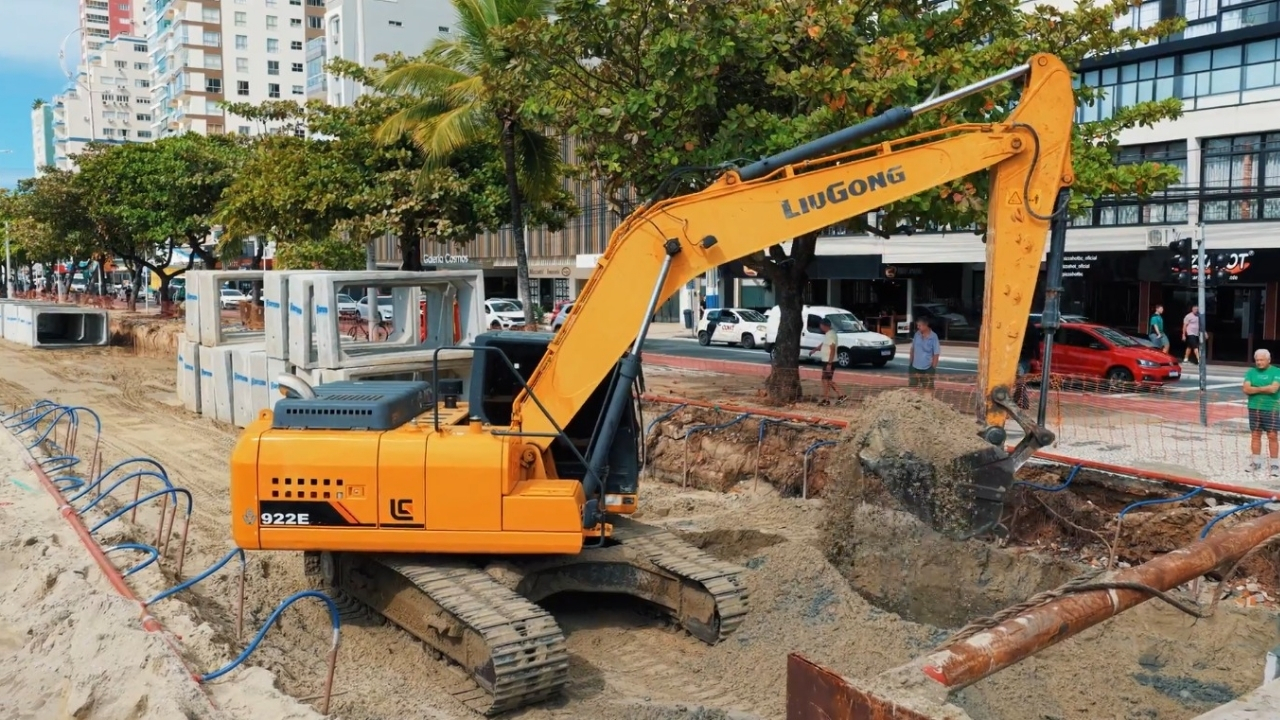
In addition to the closure in the section, all parking spaces in the affected area will remain blocked during the works. The measure was adopted to allow the circulation of machines, teams, and materials used in the implementation of the galleries.
The city hall informed that the region will receive reinforced signage. Traffic agents should also accompany the operation to guide drivers and pedestrians, as well as help with traffic flow during the execution of the work.
Residents were notified before the new intervention
Before the start of work on Rua 51, representatives of the Department of Urban Planning and Development met with building managers of the affected buildings. The objective was to present the schedule, explain the intervention, and clarify residents’ doubts.
The city hall also informed that water supply and sewage services may suffer temporary interruptions during the execution. The measure was presented as necessary for the safety of workers and the underground network itself.
Daily bulletins should inform the progress of the work
Updates on the work should be communicated daily to residents through bulletins in a WhatsApp group created by the city hall in conjunction with the region’s condominiums. The strategy aims to reduce doubts during the period of traffic changes.
This type of communication becomes important because the work affects a sensitive area of the city, with a flow of residents, tourists, workers, pedestrians, and drivers. In a central and tourist avenue, any change in access can have an immediate impact on the urban routine.
Director states that the North phase is on schedule
The Director of Special Projects at the Department of Urban Planning and Development, Bruno Nitz, stated that the project is on schedule. According to him, favorable days and cooperative weather have helped in the progress of the work.
Nitz also highlighted that, despite the complexity, the North phase is proceeding without incidents and is close to 70% completion. The statement reinforces that the city hall treats the macro-drainage as a large-scale project, with several simultaneous fronts.
Overflow structures function as safety valves
The project includes emergency overflow structures, which function as safety valves. They allow the drainage of excess water when the macro-drainage network approaches full capacity.
This function is central to the intervention proposal. During periods of intense rain, the overflow structures help reduce pressure on the system and protect city areas from water accumulation. The idea is to create a network capable of responding better to extreme events.
Flood solution also takes a toll on urban routine
The macro-drainage of Balneário Camboriú aims to solve a historical problem of urbanized coastal cities: the difficulty of draining large volumes of water in dense areas, with high circulation of people and strong occupation near the sea.
But the execution also brings temporary effects. Closures, alternative routes, blocked parking spaces, and possible service interruptions are part of the urban cost of an underground project of this magnitude. The promise of fewer floods depends on a period of controlled disruptions.
City tries to protect shoreline, drivers, and residents
The intervention connects three priorities: protecting Central Beach, reducing flood risks, and reorganizing the underground system of the central region. For a tourist city like Balneário Camboriú, drainage is also directly linked to mobility, commerce, and the experience of those who circulate along the shoreline.
The challenge is to balance construction and routine. While the galleries advance underground, drivers need to follow alternative routes and residents experience the closest impacts. The project will only be fully appreciated when it rains heavily and the network needs to prove if it can respond better.
Do you think drainage projects of this magnitude are worth the traffic disruptions when they promise to reduce flooding in central areas? Leave your opinion in the comments.