Portuguese
  Spanish


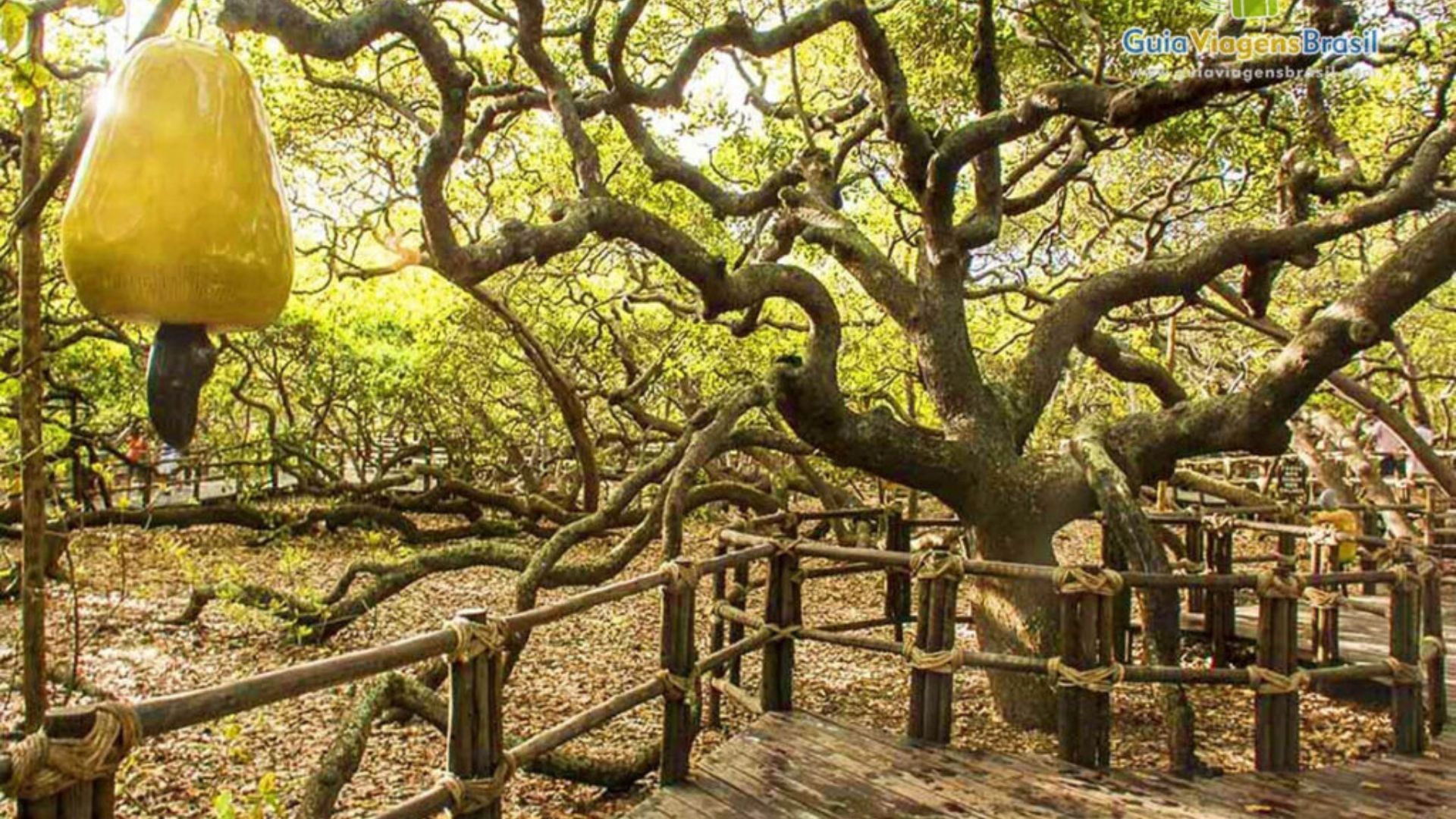


The Court Authorized the Pruning of the Largest Cashew Tree in the World, located in Pirangi do Norte, Rio Grande do Norte, following a request from local residents and merchants. The decision, aimed at adjusting the tree’s expansion, raised concern among biologists and tourism professionals, who fear negative impacts on the local flora and economy.
The cashew tree occupies an area of over 10,000 square meters, being recognized by the Guinness Book as the largest in the world. The tree is one of the main tourist attractions in the state, drawing thousands of visitors each year, which generates jobs and boosts the local economy.
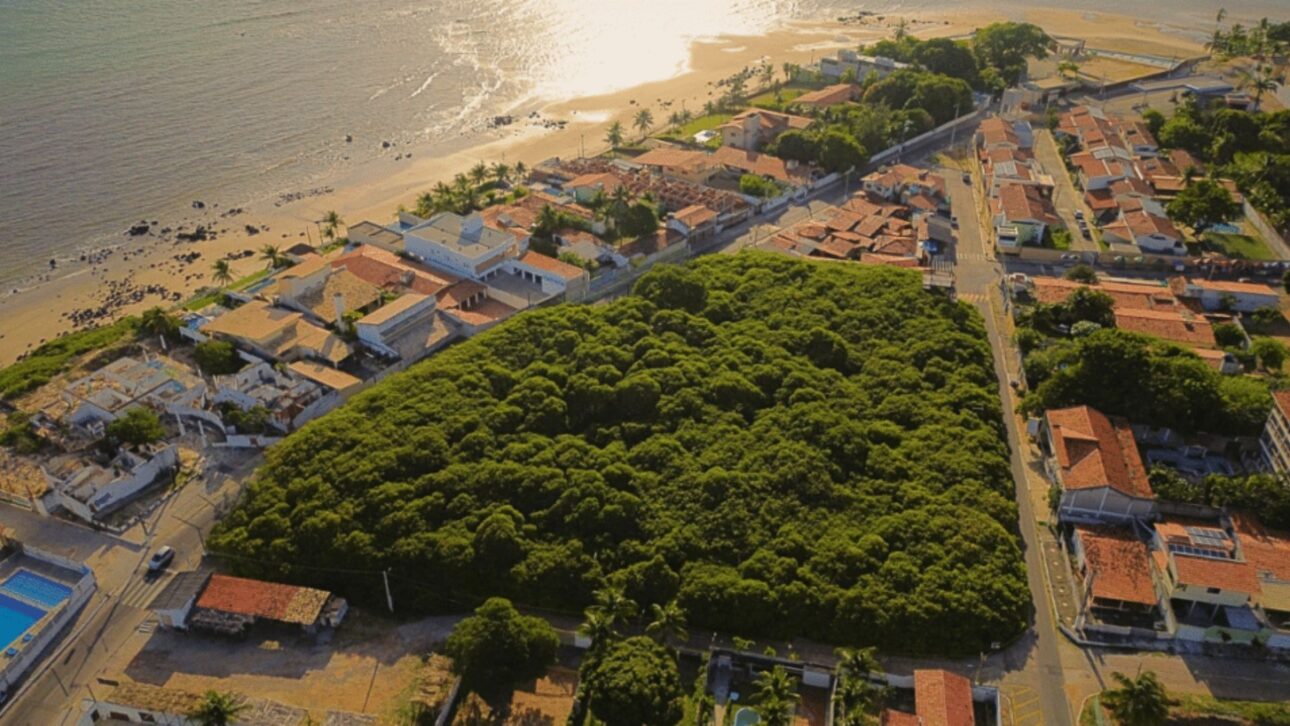
The measure was judicially determined and is being discussed in the City Council of Parnamirim, where the format and exact extent of the pruning will be evaluated. The proposal aims to control the growth of the branches, which some residents claim reach nearby houses and establishments.
Concern About Ecological and Tourist Impacts
The partial removal of the branches, however, raises questions about the possible irreversible damage to the plant. Experts warn that, even though it is an authorized action, caution is necessary. If the tree cannot withstand the procedure, there is a risk of the plant dying, which would have significant consequences.
-
Cold War Secret Plane Lost Engine Mid-Flight, Forcing Six to Parachute in Darkness; Wreckage Remains in Death Valley Mountains 73 Years Later

-
Opened in 1980, Shopping Recife was Pernambuco’s first mall and helped transform Boa Viagem into a bustling and sought-after district in southern Recife.
-
Tired of Monthly Water Supply, South African Villagers in Limpopo Connect Mountain Spring to Taps, Bringing Water to 5,000 People with $700 Initiative

-
Rare Case of Neurocysticercosis in Spain: 60-Year-Old Man’s Suspected Brain Cancer Turns Out to Be Tapeworm Cysts, Avoiding Invasive Cancer Treatments





Professionals who depend on tourism fear losing their main source of income. The cashew tree is a symbol of ecological tourism in the region, being one of the most visited spots in the state. The potential reduction of the canopy could diminish the visual and touristic appeal of the location.
According to reports from environmental authorities, the pruning will be carried out with technical oversight and consultation with specialized agencies. The idea is to conduct the intervention in a controlled manner, avoiding greater harm to the centennial cashew tree.
Judicial Agreement and Next Steps
According to council members and judiciary officials, the action was ratified in court and is in the technical detailing phase. The committee formed for this purpose will present the final pruning execution plan, defining the number of square meters to be reduced.
This information was reported by “Band Journalism”, which followed the public discussions on the topic. The station also highlighted the concerns of biologists, who state that “it is not simply the suppression of branches”, but rather a procedure that could impact the region’s ecosystem.
The expectation is that the work stages will be officially announced in the coming weeks, with a planned start only after the technical and legal approval of the plan.
Do you think that the pruning of the largest cashew tree in the world is really necessary, or does it pose an unnecessary risk to tourism and the environment of the region?