Portuguese
  Spanish


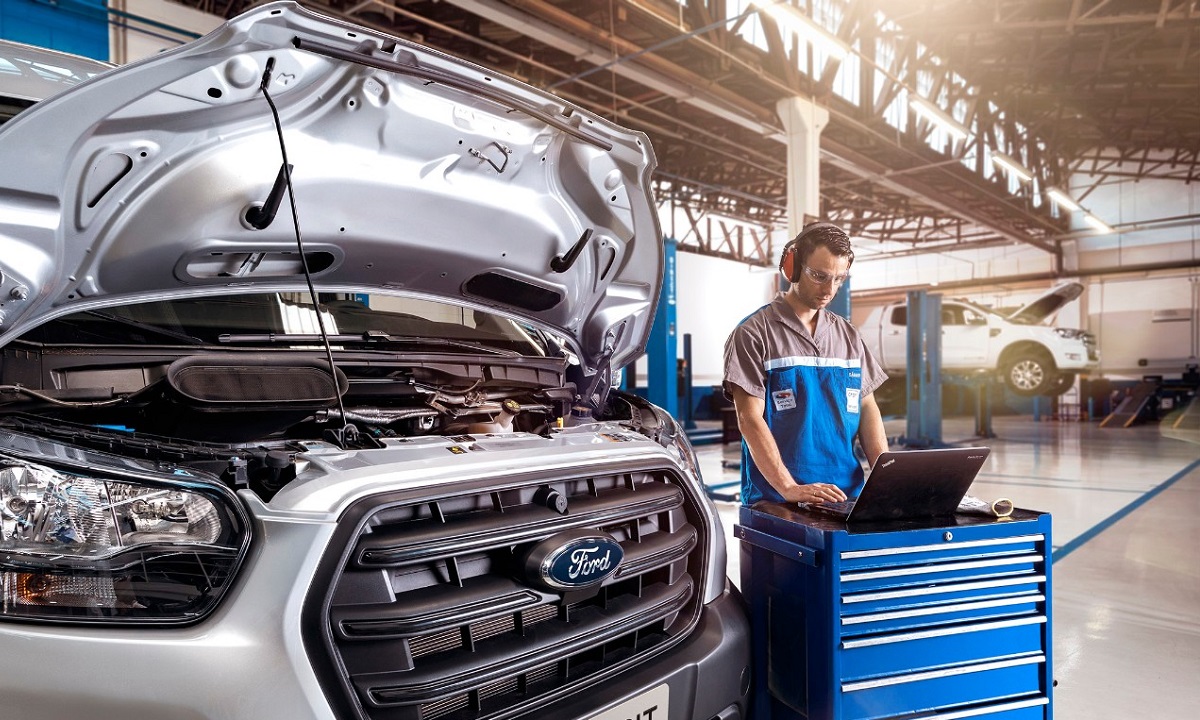

Ford Declared That Due to the Lack of Supplies and Their Costs, Automobiles Will Suffer a US$ 1 Billion Increase This Quarter
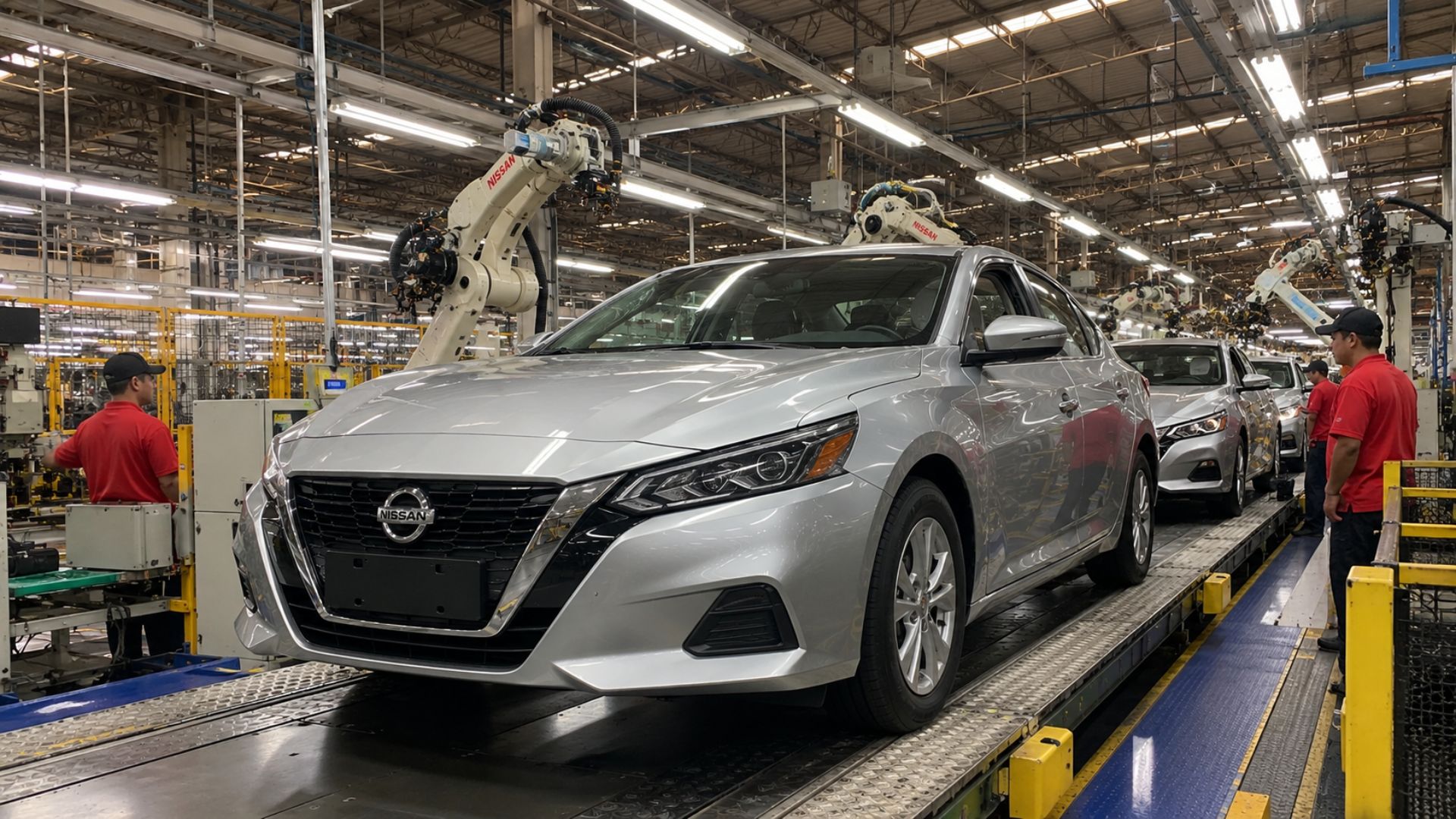
The global supply chain, still obstructed, continues to cause disruptions in the automobile industry. As a consequence of the lack of supplies, Ford stated on Monday, 19, that it will end this month of September with between 40,000 and 45,000 pickups and SUVs incomplete due to the shortage of supplies.
Additionally, various negotiations for several supplies, which Ford did not identify, are seeing their costs rise. The company also emphasized on Monday that the supply shortages and rising prices will cost US$ 1 billion more this quarter. As a result of all these setbacks, Ford’s shares fell 5% in pre-market trading on Tuesday, 20.
Despite Supply Shortages, Ford Plans to End the Year with Profit Goals in Automobile Sales
The major dilemma of vehicles lacking components is expected to be temporary. While many of the incomplete vehicles are highly profitable for the company, Ford stated that it may be able to achieve its profit goals for the entire year of 2022.
-
End of an era in Brazil: beloved sedan by Brazilians is discontinued despite having a 2.0 engine with 151 hp, CVT transmission, 466-liter trunk, and up to 650 km of range.

-
New Law Proposal in Brazil Could Heavily Penalize Drivers: Dangerous Overtaking May Become a Serious Offense with Fines Increased Tenfold and a 12-Month License Suspension; Update on 2026 Progress

-
Electric Revolution: Watts W125 Motorcycle Offers 160 km Range, 90 km/h Speed, and Affordable Price Starting at $3,000
-
General Motors Replaces Over a Thousand Workers with 50 Cobots at Electric Vehicle Plant, UAW Union Criticizes Move Amid Industry’s Automation Push


This expectation arises from the fact that Ford intends to transfer the profits from sales that it will obtain from nearly finished vehicles to the fourth quarter. Ford’s automakers have been struggling with various supply chain issues, primarily due to the shortage of computer chips, which hindered automobile production for much of the past two years.
An average conventional automobile contains hundreds of computer chips that are responsible for controlling virtually all onboard systems. These supplies regulate fuel flow, assist in managing fuel economy, control safety features to prevent accidents, and also operate as lumbar support and seat heaters.
However, this is not the first time that Ford has developed vehicles with most, but not all of its computer chips as anticipated. In March, for example, the company announced that it would ship some SUVs without all of their less critical supplies and would include them later, after they were sold to consumers.
Ford has already been forced to shut down some of its automobile factories for a time due to the chip shortage. The scarcity of automobiles, combined with strong consumer demand, has caused automobile prices to spike to record levels.
Other Companies Are Also Dealing with Supply Shortages in the Automobile Industry
According to a survey conducted with members released by the National Association of Manufacturers on Monday, it revealed that 78% stated that supply chain disruptions are the main business challenge they face, with only 11% currently believing that improvement in the automobile industry will occur by the end of the year.
The survey also showed that 76% mentioned higher raw material costs, as highlighted by Ford, as a problem, with 40% saying that inflationary pressures are worse today than six months ago. And 76% said they are having trouble finding the workers they need.
There is also a growing concern that the U.S. economy may soon enter a recession, with most manufacturers expecting a recession by the end of this year or in 2023.
“Three out of four manufacturers still have a positive outlook for their businesses, but optimism has certainly diminished,” said NAM CEO Jay Timmons.