






 Portuguese
  Spanish


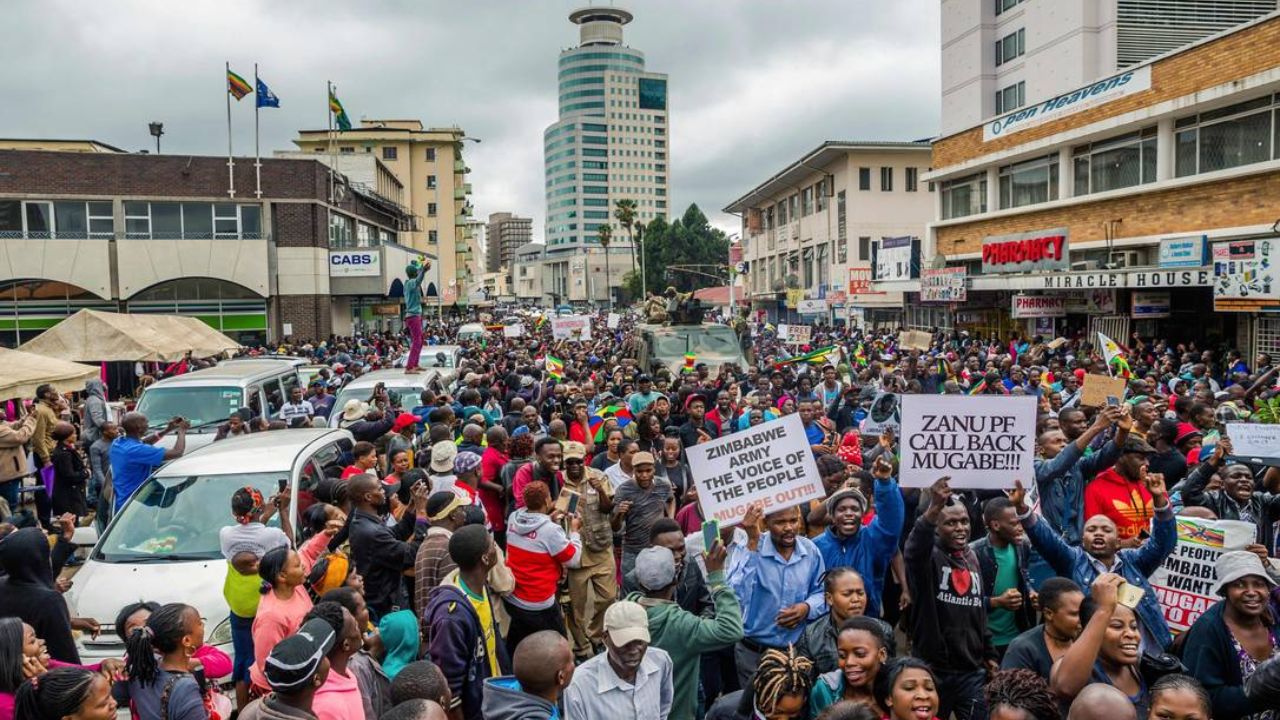


The Country That Once Fed All of Africa Had the Strongest Economy on the Continent and One of the Largest Reserves of Gold and Platinum, Now Faces Hunger, Unemployment, and the Highest Inflation in History – How Did Zimbabwe Fall Into This Collapse?
Previously known as Rhodesia, the country was the true “breadbasket of Africa,” exporting food to the entire continent and possessing the strongest economy in the region, even surpassing South Africa.
In addition to its agricultural strength, Zimbabwe also had an extremely rich mineral base, with vast reserves of platinum, gold, iron, and coal. These riches, combined with a good infrastructure of schools and hospitals, ensured a high level of development for the country. Between 1980 and 1992, life expectancy increased, the child vaccination rate more than doubled, and basic education expanded rapidly.
However, all of this prosperity did not last. What led the country from a prominent economy to one of the greatest collapses in history?
-
Brazilian Startup Turns Coffee Grounds into Plant-Based Leather, Cutting Water Use by Over 50 Times for High-Impact Sustainable Fashion

-
Eco Invest Auction Aims to Unlock $10 Billion in Investments, Focusing on Green Fertilizers, Critical Minerals, Batteries, and AI for Clean Industry in Brazil

-
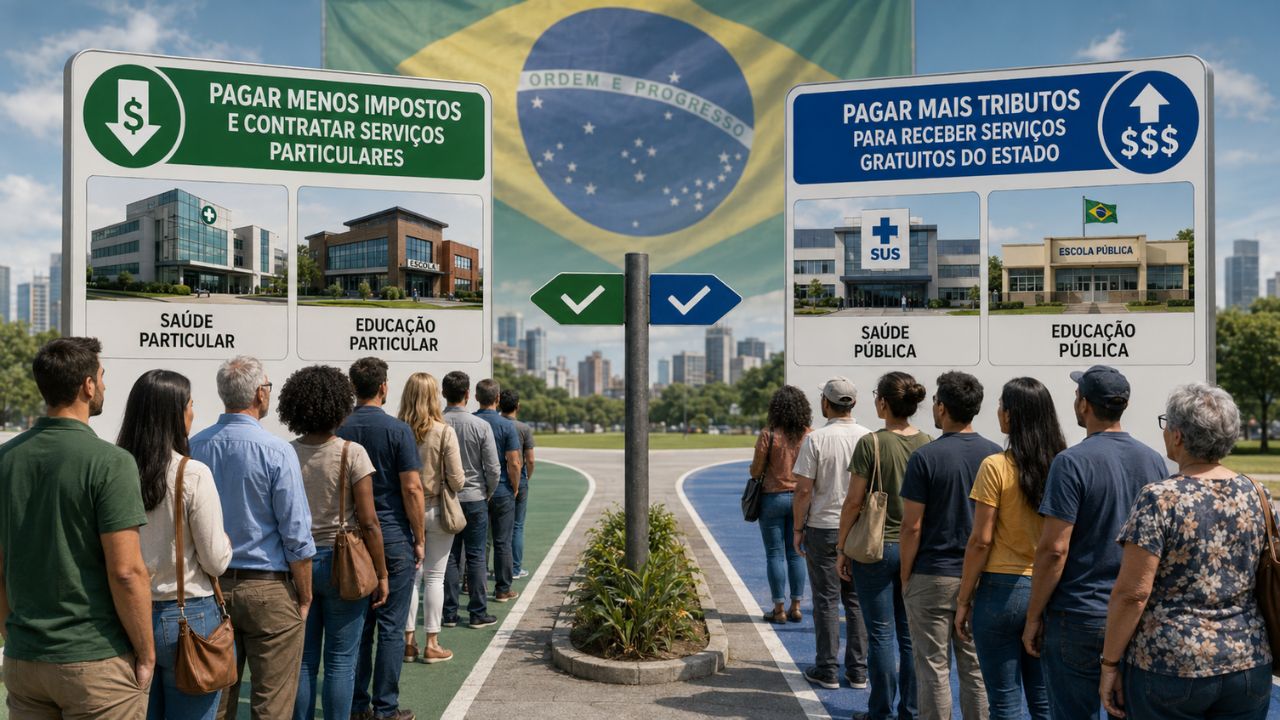
Half of Brazilians Prefer Lower Taxes with Private Health and Education, While 44% Opt for Higher Taxes for State-Provided Services, Datafolha Survey Reveals

-
Brazil’s Most Expensive Toll Rises to R$ 40.60 on Route from São Paulo to the Coast, Nearly Matching Bus Fare to Santos



The Collapse of the Zimbabwe Economy

The answer to this decline is directly tied to the political and economic decisions of the government. During the 2000s, the country faced one of the greatest financial disasters in modern history. Inflation reached unimaginable levels, exceeding 66,000%. As a result, product prices skyrocketed, and money completely lost its value.
The crisis also affected food production, leading to widespread hunger. Almost a quarter of the population became dependent on food assistance, while unemployment reached record levels. To make matters worse, scarcity of fuel and strong currency led people to resort to extreme measures, such as renting corpses to cut in line at gas stations.
The economic collapse was not just a consequence of the global market but rather the result of government policies that drove away investors, destroyed agriculture, and plunged the country into chaos.
The Role of Robert Mugabe in the Country’s Doom
If there is one name directly linked to Zimbabwe’s downfall, it is Robert Mugabe. Initially seen as a revolutionary hero, Mugabe led the country’s independence and promised racial harmony and economic growth. But his trajectory took an authoritarian turn, and his policies destroyed the nation.
One of the most disastrous actions of his government was the expropriation of land from white farmers, who were responsible for the country’s agricultural production. This land was given to government allies without experience in the field, resulting in a sharp decline in food production and the destruction of the agricultural sector.
The crisis deepened with repressive measures, political persecution, and a government increasingly closed to opposition. While the population suffered, Mugabe and his elite maintained a luxurious life, further exacerbating inequality in the country.
Zimbabwe Today
Currently, more than 70% of Zimbabweans live in poverty, struggling to obtain food, healthcare, and housing. Although the country has shown small signs of economic recovery in recent years, most of the population still feels the devastating effects of past policies.
Nonetheless, the World Bank maintains an optimistic view about Zimbabwe’s future. According to the institution, the country has the potential to grow and rise again, thanks to its natural resources and qualified workforce. If there are serious structural reforms and proper investments, Zimbabwe may, who knows, recover some of the luster it once had.








Isso aconteceu com a Venezuela que já foi um dos países mais ricos do mundo, no Brasil a história está acontecendo com esse desgoverno, a diferença que o Brasil não é rico igual esse país foi…