Portuguese
  Spanish


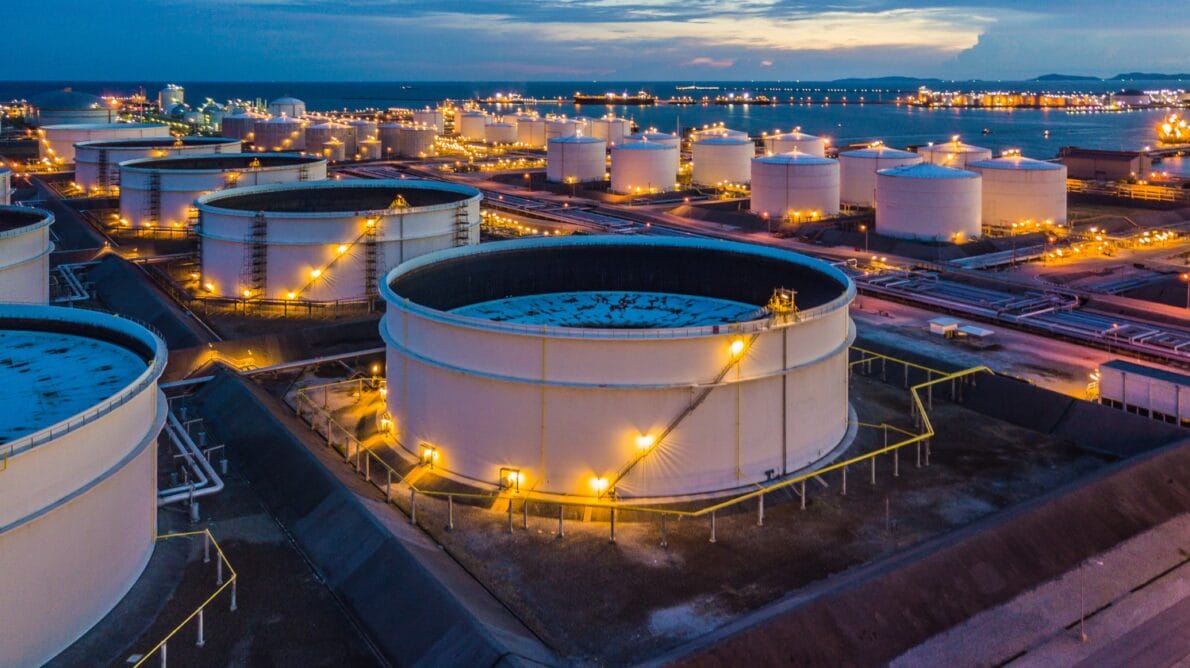

The United States Purchased 6 Million Barrels in September from Exxon Mobil, Shell, and Macquarie for Its Strategic Petroleum Reserve.
The price of oil was falling until the recent conflict between Iran and Israel. The escalation of tensions in a region crucial for oil production caused Brent crude to spike, although not enough, thanks to the readiness of the United States.
What Are the U.S. Doing?
The United States has begun to accelerate its oil reserve. In September, they purchased 6 million barrels from Exxon Mobil, Shell, and Macquarie for over $411 million, a cheap price due to the low prices before the conflict in the Middle East. Starting in October, they will only have enough money in their funds for purchases from the Strategic Petroleum Reserve (SPR) to acquire about 2 million more barrels. The goal is to continue filling the SPR by either requesting more money from Congress or canceling future sales.
The SPR Strategy
The United States Strategic Petroleum Reserve is the largest emergency oil reserve in the world, created in 1975 after the oil crisis of 1973. The aim is to protect the American economy from global conflicts that affect oil supply, as seen during the Gulf War, Hurricane Katrina, and the Covid pandemic.
-
Oil production grows in Rio, but reserve replacement raises a warning sign

-
Petrobras is expected to complete the drilling of the Morpho well in the Foz do Amazonas in August 2026, the first well in the Equatorial Margin, an oil frontier that the ANP estimates at more than 30 billion barrels and could redraw the map of Brazil.

-
Oil returns to the center of concerns with tension between the US and Iran

-
IEA reduces forecast for global oil demand in 2026 after impacts of the Middle East crisis
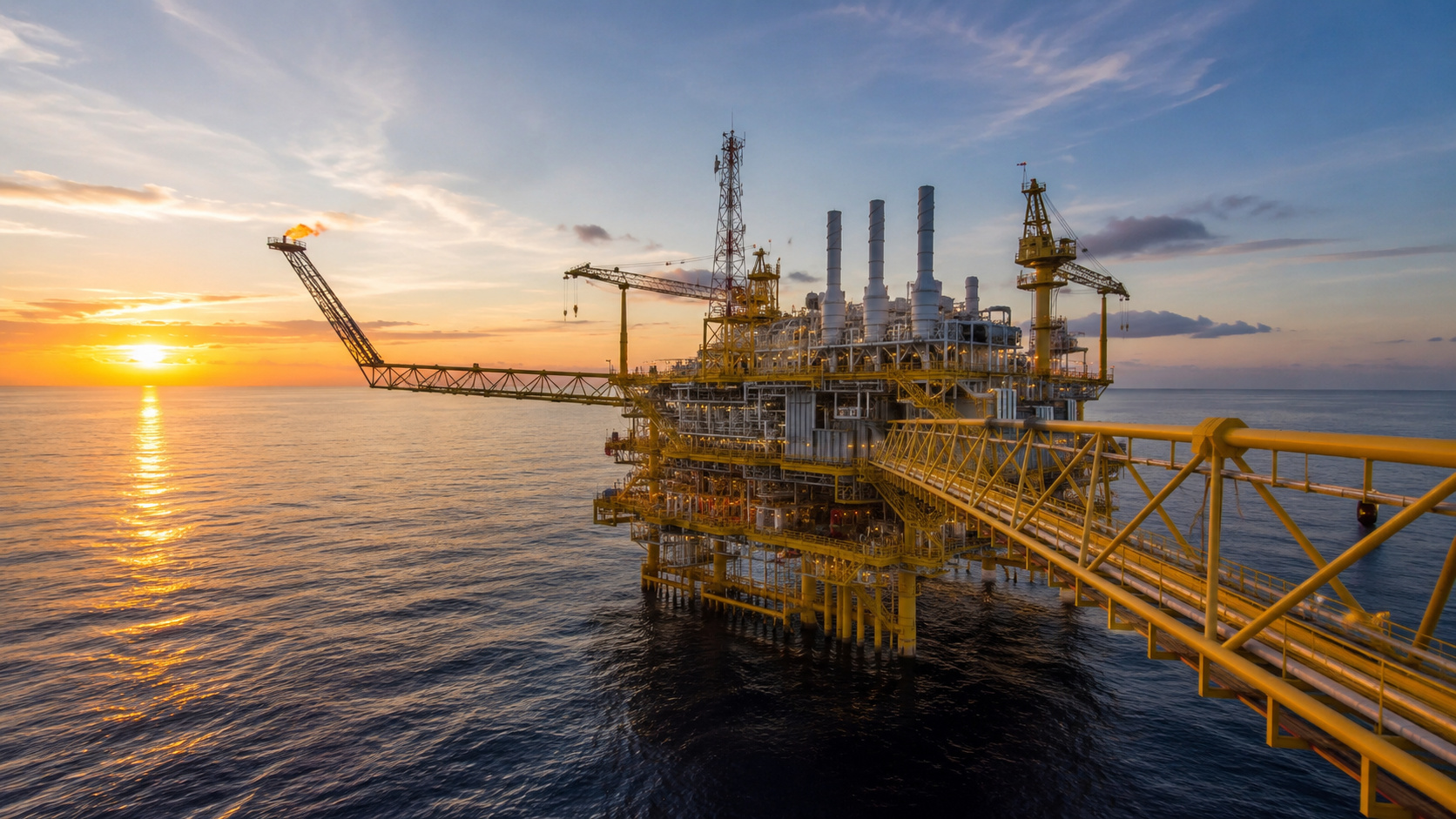


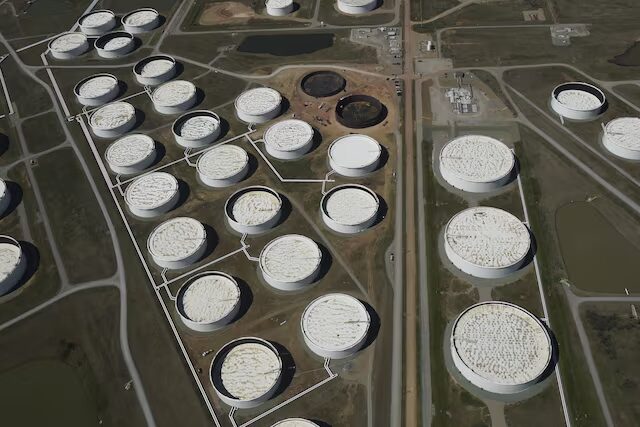
The SPR oil is stored in underground natural salt caverns in the states of Louisiana and Texas, along the Gulf of Mexico. The last major sale in history was in 2022 when President Joe Biden released 180 million barrels in response to the price surge caused by the war in Ukraine.
How Is the Oil Price?
On Wednesday, October 2, at five in the afternoon, there was an increase of over 2% and another of 6%, due to the potential Iranian attack on Israel in retaliation for the death of the Hezbollah leader and the Israeli invasion of southern Lebanon. However, the increase in the U.S. oil reserves by 3.9 million barrels and the OPEC+ announcement to maintain its production increase plan helped to contain the price rise and moderate the market.
OPEC+ and Iran
In light of the escalating conflict, the Organization of the Petroleum Exporting Countries and its allies (OPEC+, the “plus” refers to non-member countries like Russia, Kazakhstan, and Mexico) claimed to have enough capacity to mitigate the impact of a total oil supply loss from Iran, which produces about 3.2 million barrels per day. However, if other Gulf countries, such as Saudi Arabia or the United Arab Emirates, enter the conflict, the OPEC+’s capacity would be, at the very least, limited.
On the other hand, OPEC+, led by Saudi Arabia and Russia, decided to maintain its plan to increase oil production starting December 1, to eliminate the large production cuts of the last two years. However, the conflict is escalating and will raise barrel prices, without stabilizing them.
Has China Spoken Up?
From the largest oil importer in the world, we only have information from last week that the People’s Bank of China had to reduce the required reserve ratio by 0.5%. It also lowered interest rates to stimulate its stock market and the real estate sector. Additionally, China’s economic package is an important factor, as if demand increases and supply remains limited, it could generate a positive boost in oil prices. However, there are still no updates.
How Does This Affect Our Consumption?
The rise in the price of Brent, the benchmark oil for Europe, reached nearly $77 per barrel due to the conflict situation. For this reason, any disruption in the supply of this barrel in the Middle East could increase energy costs, as its price is linked to the global oil market, even though it is “locally” exported in the North Sea.
Moreover, it impacts inflation in European countries, raising the prices of basic goods and services for consumers. The effects will be felt in transportation and heating, but there are already alternatives that are proving effective.
Energy Alternatives in the Face of Oil Volatility
Investment in clean energy has grown significantly, surpassing fossil fuels. These renewable systems are increasing self-consumption in various European countries. We are seeing how the use of renewables impacts our energy system. Furthermore, the adoption of electric vehicles and other energy efficiency measures also contribute to reducing dependence on oil.