Portuguese
  Spanish


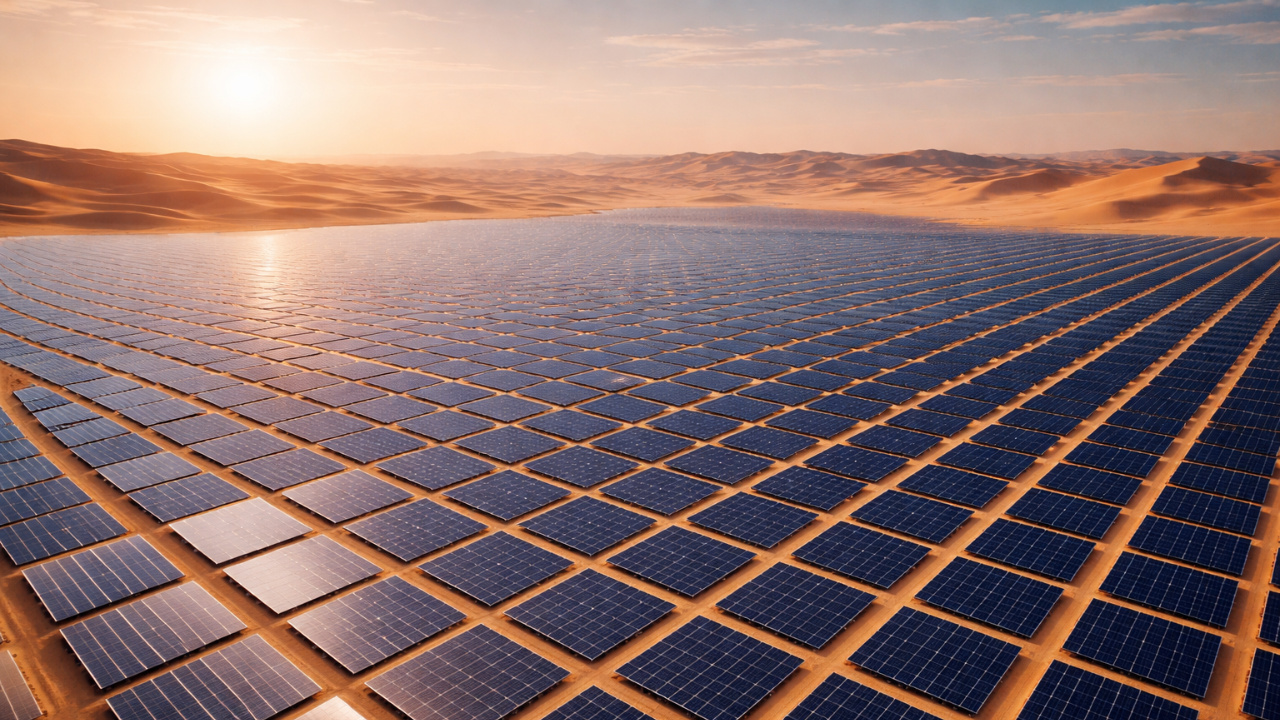

Experts Warn That Covering The Sahara Desert With Solar Panels, Despite The Energy Potential, Could Trigger Severe Climate Impacts And Unexpected Global Effects.
The idea of transforming the Sahara Desert into a gigantic solar power plant often arises whenever discussing the future of renewable sources. After all, it’s one of the hottest and sunniest places on the planet.
However, despite the enormous energy potential, experts warn that this proposal could lead to environmentally catastrophic consequences.
The Sahara receives sunlight almost constantly throughout the year. In just a few hours, the amount of radiation hitting the region would already be sufficient to surpass the annual energy consumption of all humanity. This fact, while impressive, does not settle the debate.
-
Solar energy reaches 55 GW, becoming the second largest power source in Brazil’s energy mix

-
Solar energy can increase property value by up to 10% and become a selling point.
-
Solar and wind energy surpass natural gas for the first time in the world and accelerate energy revolution

-
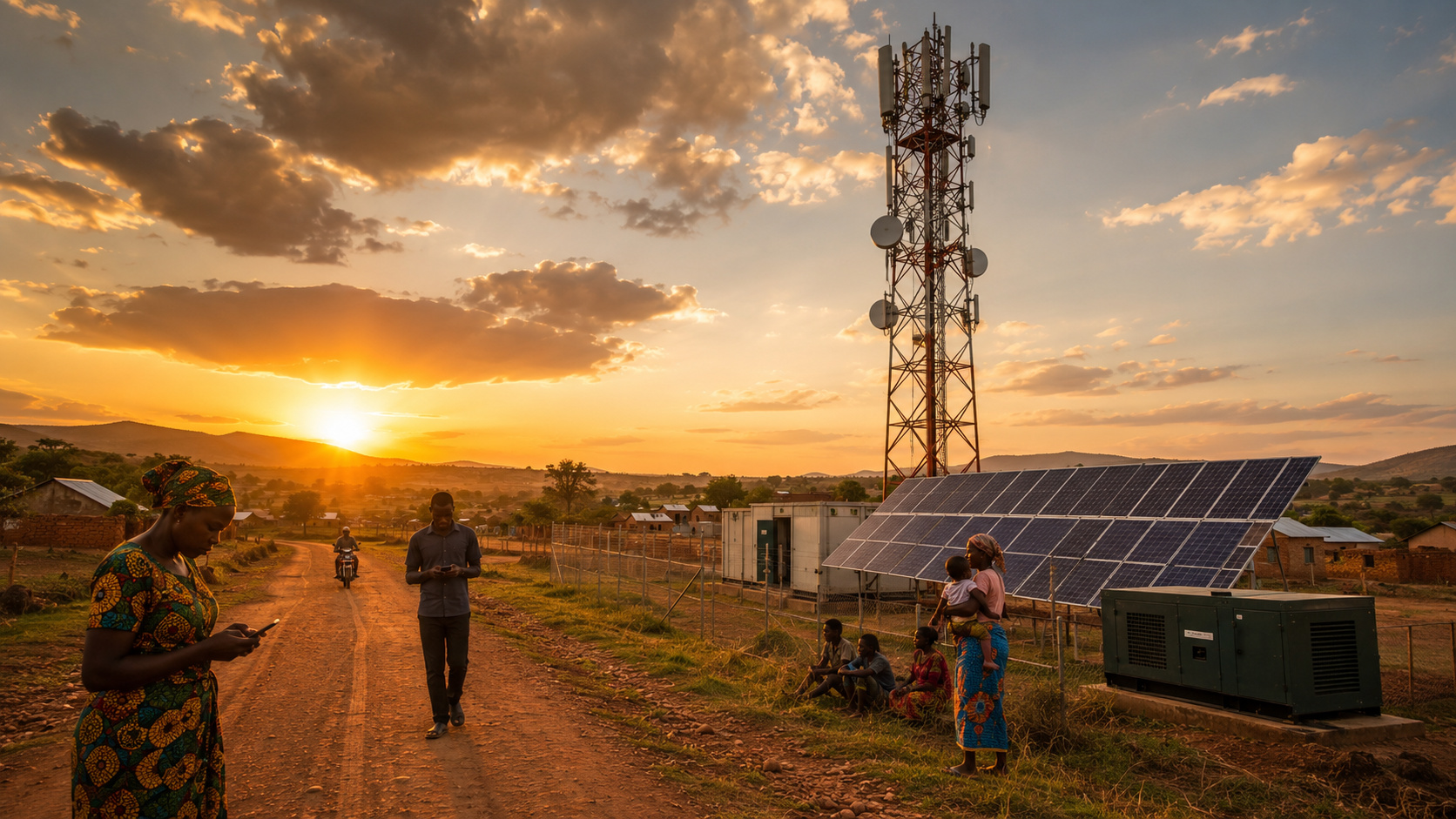
Africa has about 500,000 cell towers and most still burn diesel to operate, while companies rush to cover antennas with solar energy and avoid signal blackouts.


Intense Radiation Makes The Desert A Natural Candidate
Solar panels work by converting sunlight into electricity. When installed on a large scale, they form extensive solar farms. In this sense, the Sahara presents itself as a natural candidate, as it is the largest hot desert in the world and receives extreme levels of radiation daily.
In just six hours, the solar energy received in the desert could satisfy the entire global energy demand for a year. Nevertheless, the technical potential does not eliminate the environmental and logistical challenges involved in such a megaproject.


Theoretical studies and projects indicate that it would not be necessary to cover the entire Sahara. About 1.2% of the desert’s total area would already be sufficient to meet global energy consumption. This area is approximately the size of the state of Maranhão.
The topic has already been widely debated in scientific content, such as videos from the Ciência Todo Dia channel, which has 7.57 million subscribers. Nevertheless, the practical application of this idea faces significant obstacles.
Energy Distribution Limits Global Viability
In practical terms, transporting electricity generated in the Sahara to distant regions of the planet would be inefficient. Losses along the route would make the project less economically viable. Therefore, the more realistic use of solar energy from the desert would be to supply nearby regions, such as parts of Africa, Europe, and the Middle East.
This logistical factor reduces the global reach of the proposal and reinforces the need for regional solutions instead of a centralized continental-scale system.
Despite the limitations, initiatives are already underway in desert areas. One of the most well-known examples is in Morocco, where a solar complex is continuously expanding. The project is expected to generate more than one-third of the energy consumed in the country, in addition to creating opportunities for export.
These initiatives demonstrate that solar energy in deserts is viable when applied in a controlled manner and close to urban centers.
Climate Changes Would Be Profound And Global
The primary warning involves climate impacts. Currently, the light sand of the Sahara reflects a large part of the sunlight. Solar panels, on the other hand, absorb this radiation. Only about 25% is converted into electricity. The other 75% is transformed into heat.
This additional heating could drastically alter the local climate. The desert could transform into a savanna, change wind patterns, and intensify rainfall in coastal areas. Furthermore, experts point out that the effects could reach distant regions.
The Amazon Rainforest, for example, relies on nutrients transported through the air from the Sahara, carried by winds across the Atlantic. Changes in this balance could affect ecosystems on a planetary scale, making the debate about solar energy in the Sahara much more complex than it appears at first glance.