






 Portuguese
  Spanish


An Investigation in the USA Reveals a Serious Defect in the 3.5 V6 Engine That Could Cause Total Failure, Accidents, and High Costs for Owners of Models Like Pilot, Odyssey, and Acura.
Confidence in Honda engines has been shaken by an official investigation in the United States. The National Highway Traffic Safety Administration (NHTSA) has opened an analysis on a possible serious defect. The problem may lead to complete engine failure, with risks of accidents and fires. The damage to Honda car owners could be in the tens of thousands of reais.
Understand the Serious Defect in Honda’s 3.5 V6 Engine
The focus of the investigation is on models equipped with the brand’s 3.5 V6 engine. The central issue appears to be a failure in the connecting rod bearing. This part is critical, as it connects the piston to the crankshaft.
When this component fails, the outcome is often disastrous. The engine may completely seize or even explode internally. It’s a catastrophic failure for the heart of the vehicle.
-
2027 Toyota Corolla Cross Unveiled: New Design, Enhanced Fuel Efficiency, Reduced Maintenance Costs, Advanced Technology, Connected Services, and Up to 10-Year Warranty

-
Fiat Cronos Precision 2018: Affordable Sedan with Spacious Trunk and Reliable Maintenance
-
Volkswagen to Cut Production by 1 Million Cars by 2030, Reducing Jobs and Platforms, Focusing on More Profitable Models

-
Toyota Launches First 100% Electric Car in Brazil: bZ4X with 343 HP, All-Wheel Drive, 361 km Range, Priced at $419,990 BRL, Limited to 99 Units




Thousands of Complaints and Risks of Accidents and Fires
The NHTSA has already recorded 414 formal complaints from owners regarding the bearing failure. However, the total number of cases is much higher. Honda itself admitted to receiving another 2,598 notifications of similar incidents.
In total, there are 3,012 recorded occurrences. Of these, seven involved collisions or fire outbreaks. The estimate is that 1,410,806 vehicles in the United States could be affected by this problem.
List of Affected Honda Cars: See the Models and Years
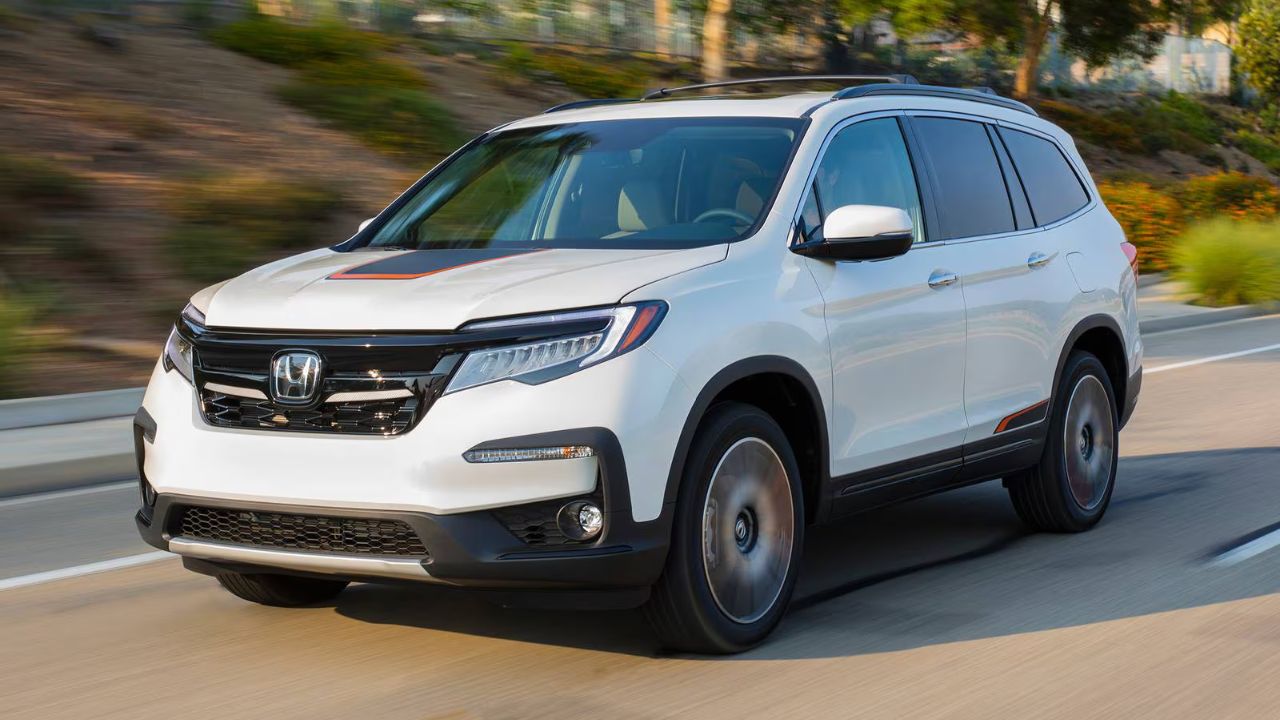
The investigation is focusing on specific models that utilize the same 3.5-liter V6 engine. This engine is popular for combining performance and comfort. The vehicles under review are:
- Acura MDX: 2016 to 2020
- Acura TLX: 2018 to 2020
- Honda Pilot: 2016 to 2020
- Honda Ridgeline: 2017 to 2019
- Honda Odyssey: 2018 to 2020
Warning Signs and the High Cost of Repairs for Owners
In many cases, drivers only realize the defect when it’s too late. The main warning signs include warning lights on the dashboard, metallic noises coming from the engine, and a sudden loss of power.
In addition to the safety risk, the financial loss is enormous. The cost to replace such an engine can exceed US$ 10,000, which is equivalent to about R$ 50,000.
What Is Honda’s Position and the Chance of a New Recall?
The NHTSA reported that this new wave of failures is not linked to a previous recall from 2023. Therefore, it is a new and distinct risk within the same engine.
So far, Honda has not announced a new recall. The company states that it is cooperating with authorities and monitoring the situation. Depending on the investigation’s outcome, the brand may be required to call back more than 1 million Honda cars for free repairs. If confirmed, it will be one of the largest recalls in the company’s history.
For drivers, the alert is clear. If you own one of the Honda or Acura cars with a V6 engine manufactured between 2016 and 2020, stay vigilant. What seems to be a reliable vehicle may hide a serious risk under the hood.







