Portuguese
  Spanish





The Decline Of Egypt Under The Pharaohs Was Caused By Internal Instability And External Factors
The Ancient Egypt flourished for millennia thanks to the regular cycle of Nile floods. This phenomenon allowed for abundant harvests and ensured the stability of pharaonic power. However, this prosperity depended on a fragile balance.
Recent research indicates that prolonged periods of drought severely affected Egypt, leading to famine, revolts, and the weakening of the government.
Climate Change And The Weakening Of The Empire
Scientific evidence suggests that Ancient Egypt suffered from a long period of drought between 1250 and 1100 B.C. Studies published in the journal Nature show that the Mediterranean region experienced a significant drop in rainfall.
-
Rare fox feared “extinct” found alive on Caribbean island after over two decades without official sightings

-
21-Year-Old Brazilian Student Turns Homemade Popsicle Hobby into $100,000-a-Month Business

-
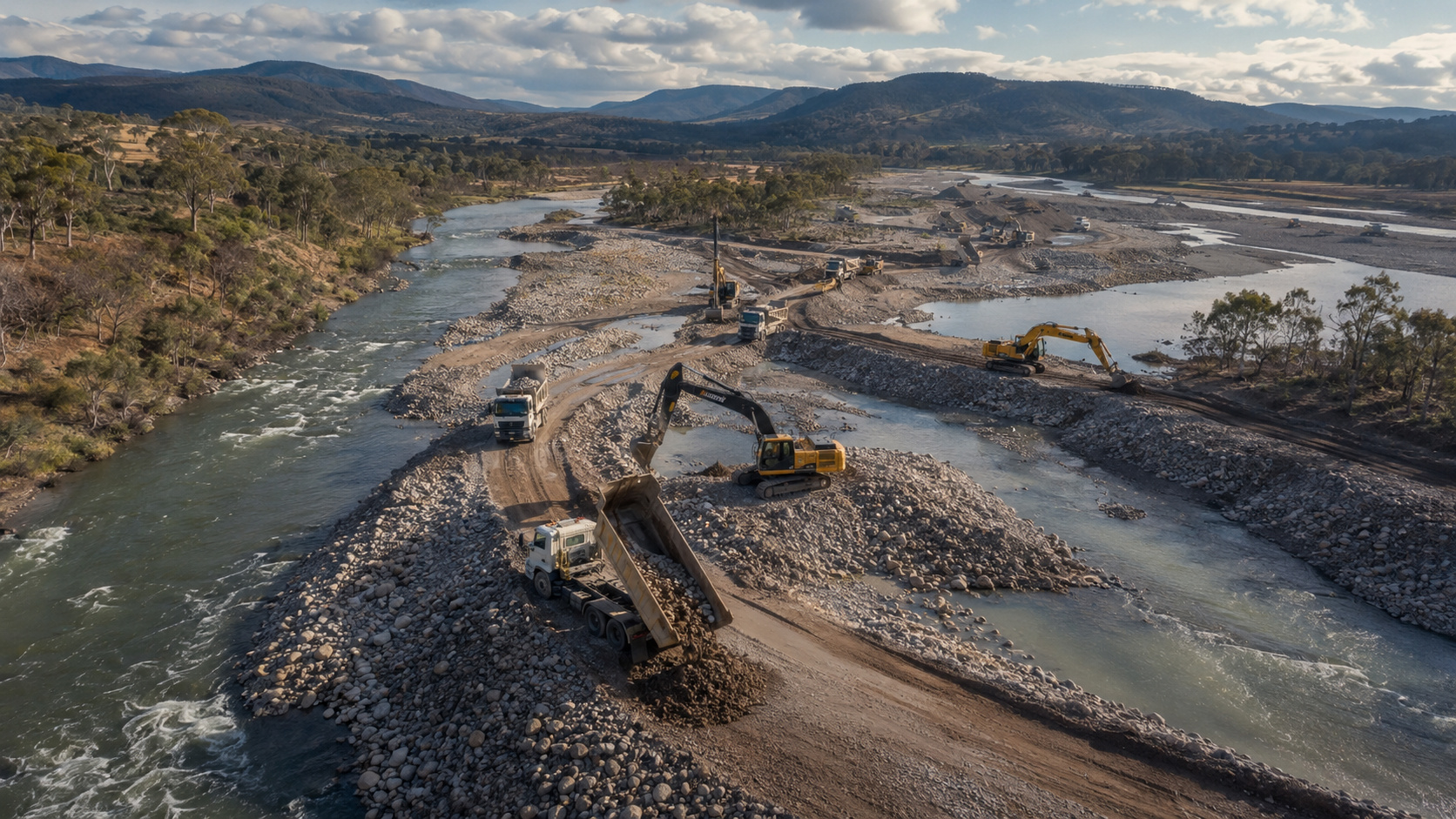
Australia Dumps Hundreds of Thousands of Tons of Gravel into Rivers to Restore Natural Barriers and Reverse 150 Years of Erosion

-
Bird-Inspired Robot Glides on Air Currents up to 10 m/s, Balances Itself, and Aims to Save Energy in Industrial Inspections and Meteorological Balloons



The analysis of tree rings and ice cores collected in Greenland and the Alps confirms this reduction in precipitation. Additionally, isotopic measurements in Nile sediments indicate a lower water flow during this period.
The consequences were severe. The lack of floods reduced fertile lands, compromising food production. The impact was felt across all social strata.
The Harris Papyrus, a document from the reign of Ramses IV, describes a scenario of widespread scarcity. “The granaries were empty and the people were starving“, one passage of the papyrus reports.
Archaeological studies indicate that plant diversity in the Nile Delta drastically decreased during this time. Fossilized pollen deposits point to a progressive desertification process.
These factors suggest that environmental changes not only affected agriculture but also destabilized the political structure of Egypt.
Famine And Internal Uprisings
The decline in agricultural productivity had direct repercussions on the administration of the empire. Texts found in Deir el-Medina reveal that artisans began to protest against the non-receipt of food rations.
The Wilbour Papyrus, a fiscal document from the end of the New Kingdom, records an unequal redistribution of fertile lands, signaling an attempt by the government to manage the crisis.
One of the most significant events of this period was the revolt of the workers of Deir el-Medina. These artisans, responsible for building the royal tombs, staged the first recorded strike in history. In response, the authorities distributed extra food rations, but dissatisfaction persisted.
The food crisis also weakened central power. Local governors began to exercise greater autonomy, especially in Upper Egypt. This process resulted in the fragmentation of the empire, opening up space for internal power struggles.
The Invasions Of The Sea Peoples
Egypt was not the only empire to suffer from climate change in the late second millennium B.C. Drought affected various civilizations around the Mediterranean, triggering large population displacements. In this context, the Sea Peoples emerged, groups of migrants who attacked various regions in search of new lands.
Between 1200 and 1100 B.C., these groups invaded Egypt. Inscriptions from the reign of Ramses III, found in the temple of Medinet Habu, describe intense battles. The pharaoh claims to have defeated the invaders: “No country could face them… but I stood firm and pushed them back”.
Although this victory temporarily preserved the empire, the conflict exacerbated the internal crisis. The military and economic resources needed to withstand the attacks further depleted a kingdom already weakened by drought and famine.
The Decline Of Egypt And The Fragmentation Of Power
After the death of Ramses III, Egypt entered a phase of political instability. Coups became frequent, and central power weakened. The country was divided among different local dynasties, marking the end of the New Kingdom.
The relationship between climate and political collapse becomes evident when analyzing the events of this period. Prolonged drought reduced agricultural production, generated economic crises, fostered uprisings, and weakened state administration. This weakening, in turn, facilitated foreign invasions and the fragmentation of power.
With information from Science & Vie.