






 Portuguese
  Spanish
  3 min of reading
  0 comments


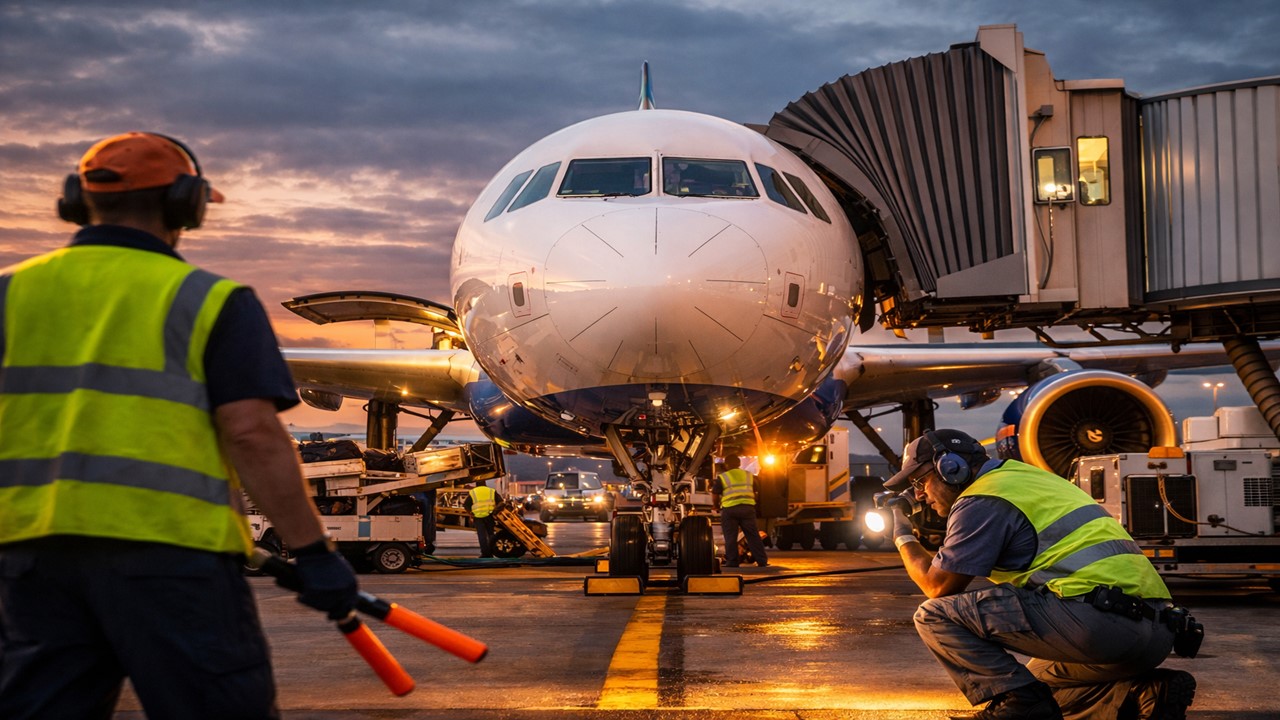
While You Wait At The Gate, Dozens Of Professionals Work Against The Clock To Get The Aircraft In The Air Again
When a plane lands and touches down at the gate, many people think it simply stays put until the next boarding. In practice, one of the most complex and synchronized operations in modern aviation begins there. In a few minutes, the plane becomes a true worksite — everything happening at once, with minimal margins for error.
This interval between arrival and the next takeoff is known as ground time, and every second counts.

First Minutes: Secure, Check And Make Sure Nothing Moves
As soon as the plane stops at the gate, the engines are turned off and wheel chocks are placed under the wheels. It may seem simple, but it is an essential layer of safety. Even with functioning brakes, the chock prevents any involuntary movement of the aircraft.
-
Brazil Welcomes Spanish Wamos Air and Nigerian Air Peace, Potentially Transforming International Routes and Increasing Competition

-
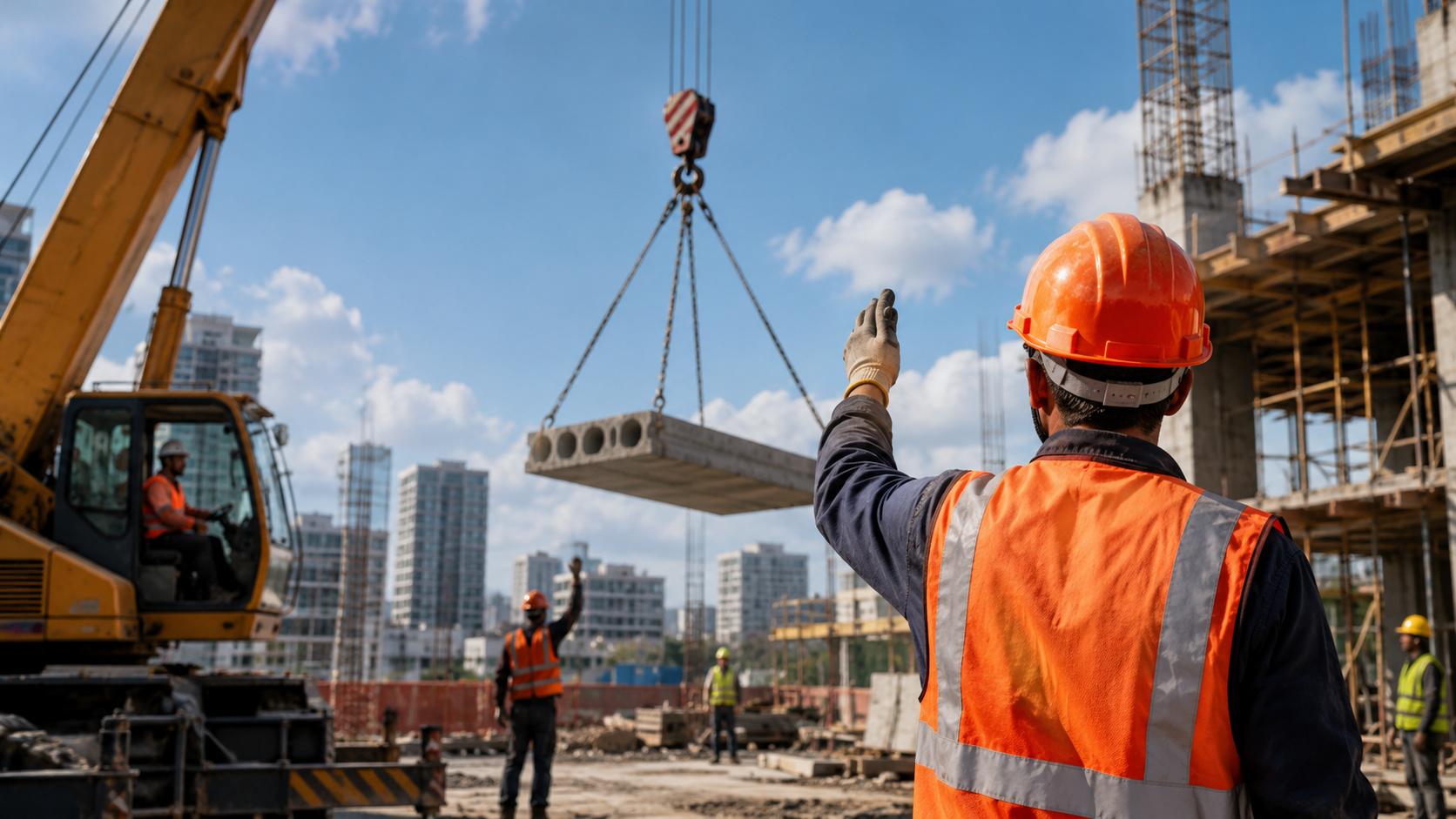
Why can the crane operator only obey the correct signalman on the construction site: among dozens of workers, a hand raised by the wrong person can confuse the maneuver and turn a load of tons into an immediate risk.
-
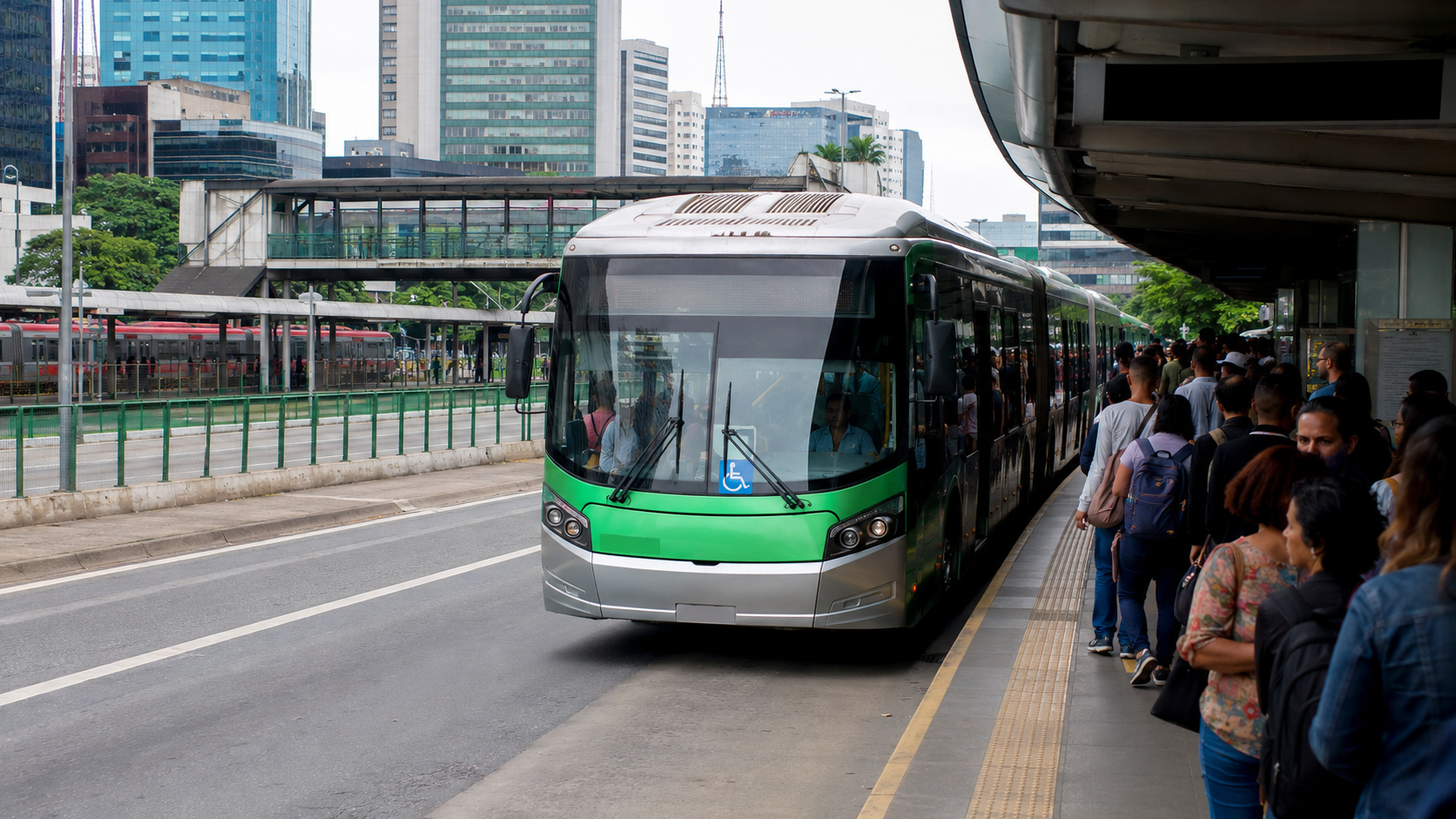
What changes with the new public transportation rules that can reduce pressure on fares and pave the way for zero fare in Brazil?
-
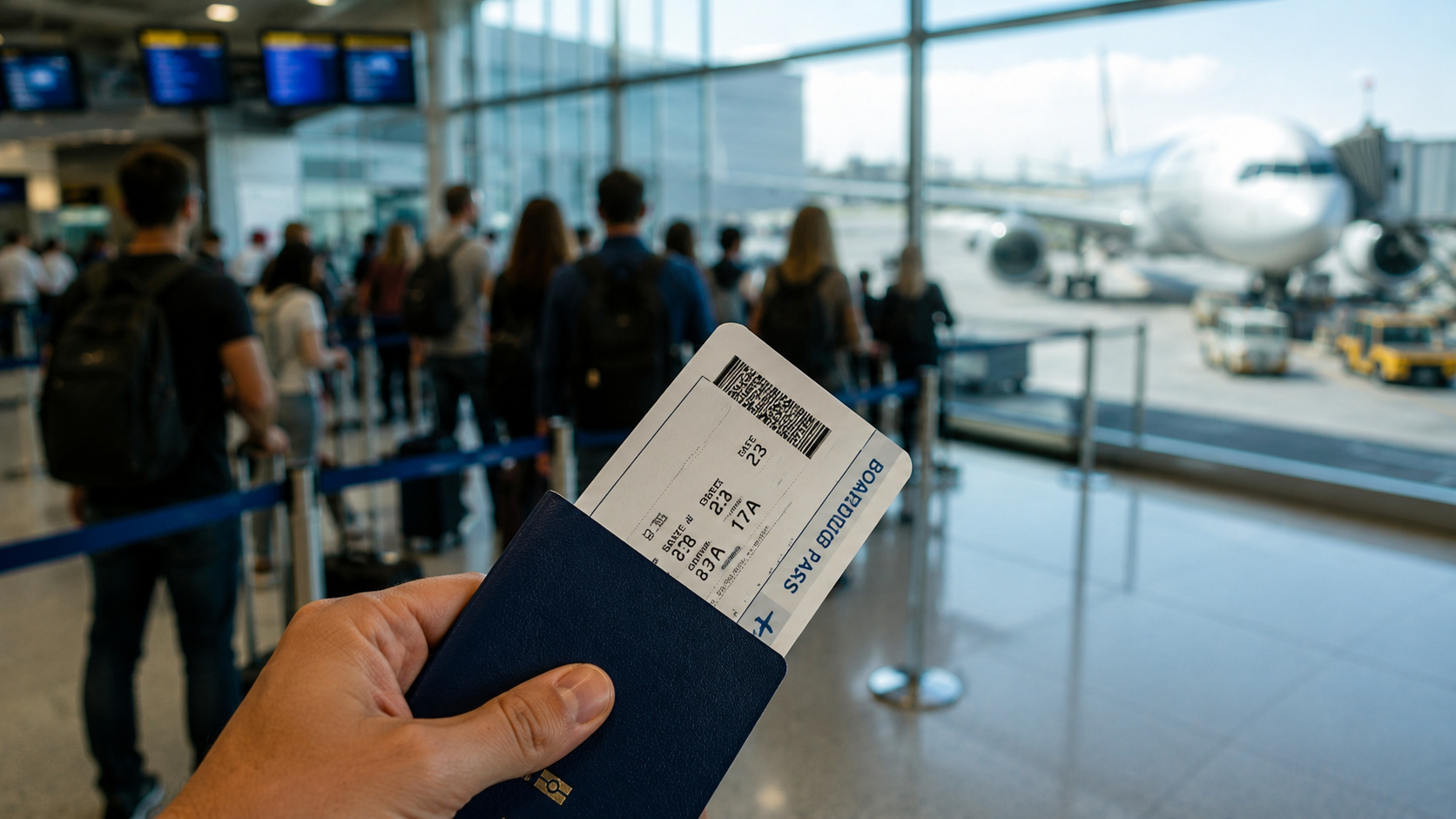
Offshore air transport soars in Brazil, surpasses 2.5 million passengers, and reveals how oil has transformed Rio’s airports into key pieces of national logistics.



Almost simultaneously, a mechanic starts the post-flight inspection, checking:
- tires
- wings
- fuselage
- possible visual damage
Everything is documented. In aviation, nothing goes undocumented.
Deboarding And Internal Inspection Happen Simultaneously
While passengers leave the aircraft, the mechanic accesses the logbook, where all occurrences from the previous flight are recorded. If there was any extra consumption of oil, hydraulic fluid, or a technical alert, it appears there.
If anything diverges from the standard, the aircraft does not proceed to the next flight until everything is checked and corrected.
Fuel Economy: Why Does The Aircraft “Turn Off” Everything On The Ground
Fuel is one of the most expensive items in aviation. Therefore, whenever possible, the aircraft avoids using its own systems on the ground.
Instead of the APU (a small auxiliary turbine), it relies on:
- external air conditioning equipment
- airport power supply
This keeps the cabin comfortable without burning unnecessary fuel.
Baggage, Cleaning And Refueling: All At The Same Time
While the inspection takes place:
- baggage is unloaded
- cleaning crews enter from the rear
- refueling begins
Each step follows strict protocols. Before fuel enters the wing, for example, a test is performed to check for water or impurities — any contamination can compromise an entire flight.
Even the waste from the bathrooms is removed during this short interval.

Redundant Layers Of Safety
One of the most impressive aspects of aviation is redundancy. What one professional checks, another verifies again.
Before takeoff:
- the mechanic performs the inspection
- the pilot conducts their own external check
- documents are reviewed by more than one person
This system drastically reduces the risk of human error.
The Role Of The “Orange Cap”: The Patio Maestro
Few people know, but the Orange Cap is a key piece of the operation. They coordinate all ground movements:
- weight and balance documentation
- fueling release
- communication with the crew
- final authorization before closing the door
Today, much of this data is already digital, sent in real-time to tablets used by the pilots.
Pushback And Takeoff: The Aircraft Comes Back To Life
With doors closed and everything checked, pushback begins, when the plane is pushed away from the gate. Only after that are the engines started, always with authorization and ground supervision.
Even at this final moment, checks are made to ensure that:
- there are no objects on the runway
- no baggage was left behind
- everything is within safety parameters
Only then is the aircraft cleared for taxiing.
Why Aviation Is One Of The Safest Areas In The World
What happens between flights explains very well why commercial aviation has such high safety rates. It is not luck. It is process, redundancy, and operational discipline.
The next time you are sitting and waiting for boarding, remember: while it seems like everything is at a standstill, a true synchronized ballet is happening outside to ensure you arrive at your destination safely.






-

1 person reacted to this.