






 Portuguese
  Spanish
  3 min of reading
  1 comment


The Departure of the Air-Cooled Rear Engine in the Volkswagen Variant II Marked a Turning Point in the Automotive Market.
The Volkswagen Variant II hit the scene in 1981, carrying the title of the last car with an air-cooled rear engine from the German automaker. The model was a significant update in relation to its predecessor, aiming to balance the brand’s tradition with the demands of a transforming market. Its arrival aimed to face rivals like the Ford Belina II and Chevrolet Caravan in a competitive landscape.
Design That Marked an Era
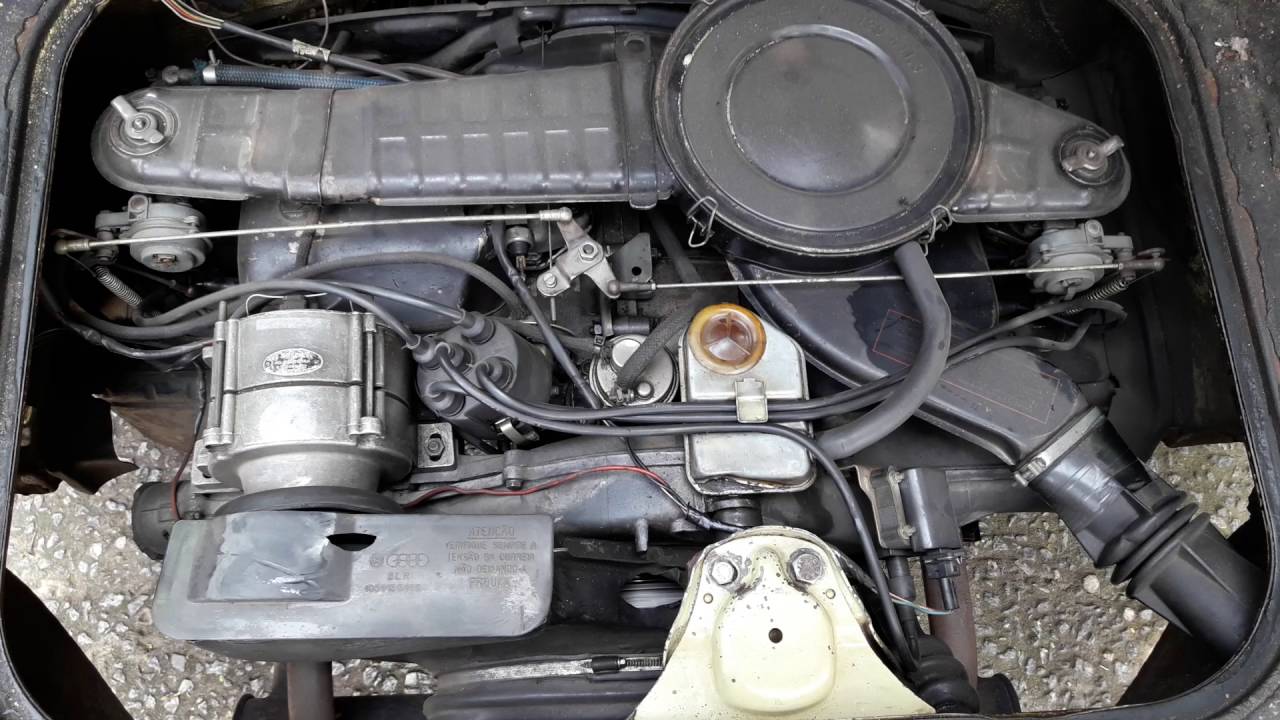
With a look reminiscent of the VW Brasília, the Volkswagen Variant II invested in a modern design for the time, characterized by straight lines and enlarged proportions. The body was five centimeters wider than that of the previous version, and the iconic grooved taillights brought a unique visual signature. The compact yet robust look led the wagon to be recognized as a “stretched Brasília,” catering to consumers who sought a more contemporary style. Let’s talk about the engine.
Comfort and Practicality Inside
Inside, the Variant II delivered more comfort and functionality. Upholstered seats in artificial leather and fabric, three-point seat belts, and an updated dashboard with rectangular instruments were highlights. In addition, the model offered excellent cargo capacity: the rear trunk held 467 liters, which could reach an impressive 954 liters with the seats folded down, while the front compartment added another 137 liters of space.
-
Two Brazilian inventors transformed a Gol into a homemade electric car: they removed the engine, installed 40 lithium batteries, and made the vehicle run 150 km for R$ 0.07 per kilometer.

-
Toyota Hilux owners should be cautious: the model has become a target for gangs that can open the vehicles without triggering the alarms, investigation reveals.

-
The Celta may return without gasoline, with a plug and a Chinese soul: Chevrolet prepares a new electric hatch in Ceará to try to challenge the BYD Dolphin Mini, Geely EX2, and the compact market in Brazil.
-
The 2012 Toyota Camry became the luxury Japanese sedan that costs less than many used compact SUVs, offering a V6 engine, 504 liters of trunk space, and executive comfort for those willing to step out of the ordinary in the used car market.


Engine: Tradition with a Touch of Modernity
The 1.6-liter four-cylinder boxer engine, characteristic of Volkswagen, continued as the heart of the Variant II. Though it was not a technological revolution, it received improvements to reach 67 hp, necessary to handle the increased weight of the new body. Another innovation was the adoption of McPherson suspension with coil springs in the front, enhancing comfort and stability while driving.
A Tight Rivalry
In the market, the Volkswagen Variant II faced challenges. While the Chevrolet Caravan offered more speed and the Belina II excelled in fuel economy, the Variant sought to maintain its relevance by offering a balance between comfort, cargo capacity, and cost-effectiveness. However, the market demanded more updates and innovations, placing the wagon in a delicate position.
The End of an Era of the Rear Engine and the Beginning of Another
Production of the Volkswagen Variant II was halted in 1982, but its legacy remains a milestone in the automaker’s history. In saying goodbye to the air-cooled rear engine, Volkswagen paved the way for modern models, such as the Gol and the Parati, which continued the pursuit of innovation and efficiency.
Thus, the Variant II was not just the last car with an air-cooled rear engine: it represented a transition between the past and the future of Volkswagen, eternalizing its place in the memory of classic car enthusiasts.








O Último motor Volkswagen boxer refrigerado a ar foi fabricado muito depois da Variant II. Foi no dia 23 de dezembro de 2005 e equipava uma Kombi