






 Portuguese
  Spanish
  3 min of reading
  0 comments


New Device Presented at Meta Connect Integrates Ray-Ban Display, AI Assistant, and Neural Bracelet, But Technical Difficulties During Live Demonstration Raise Questions About the Viability of the Project and Mark Zuckerberg’s Ambitious Plans
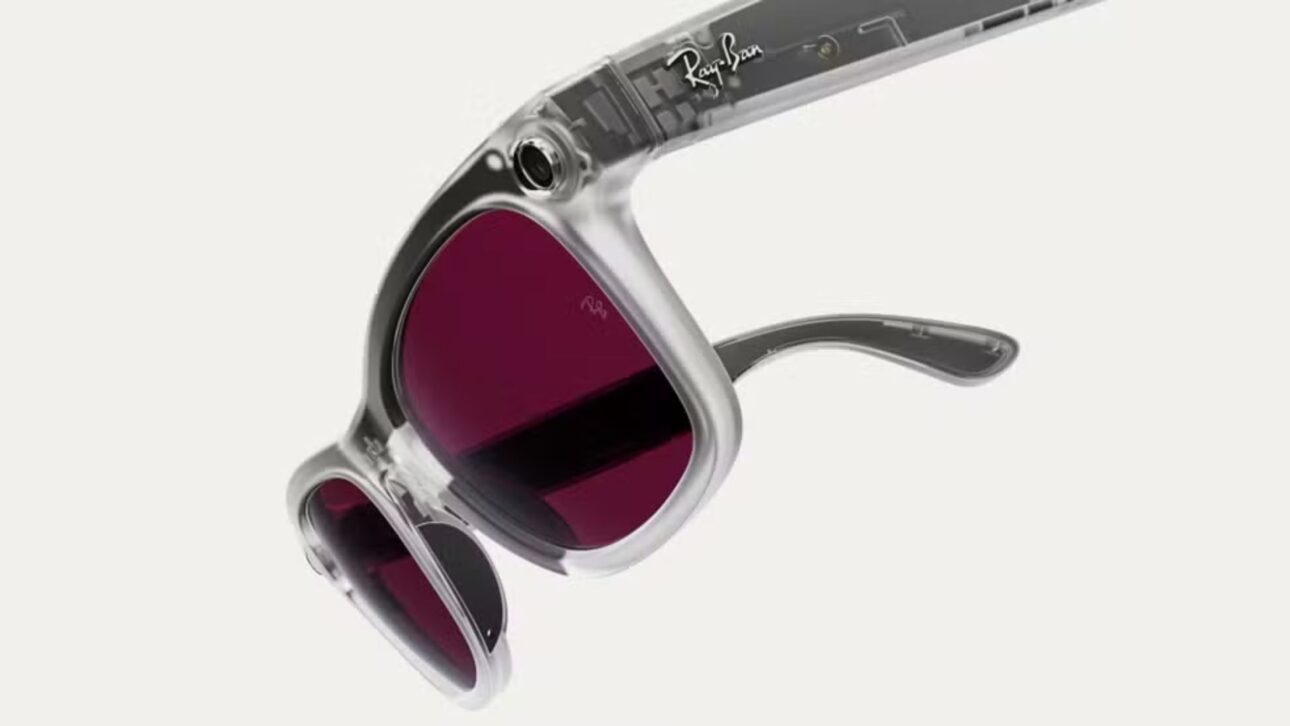
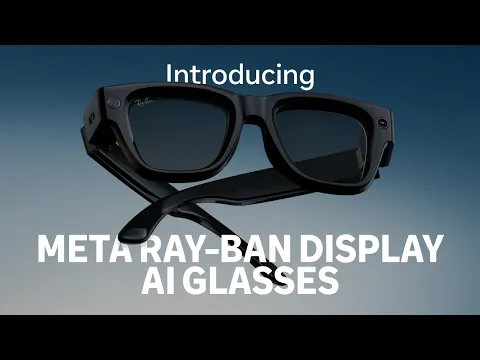
Mark Zuckerberg took the stage at Meta Connect this Wednesday (17) with the promise of starting a new technological era. The billionaire officially presented the Meta Ray-Ban Display, the company’s first smart glasses equipped with an integrated display and directly connected to the Meta AI assistant.
According to the executive, the device is a key piece in building an interface that, in the future, could replace smartphones and serve as a gateway to what is called “superintelligence”, a concept that describes an AI with capabilities superior to humans. However, the announcement was marked by awkward moments that revealed both the transformative potential and the technical difficulties of this bet.
Futuristic Features and High Price Draw Public Attention
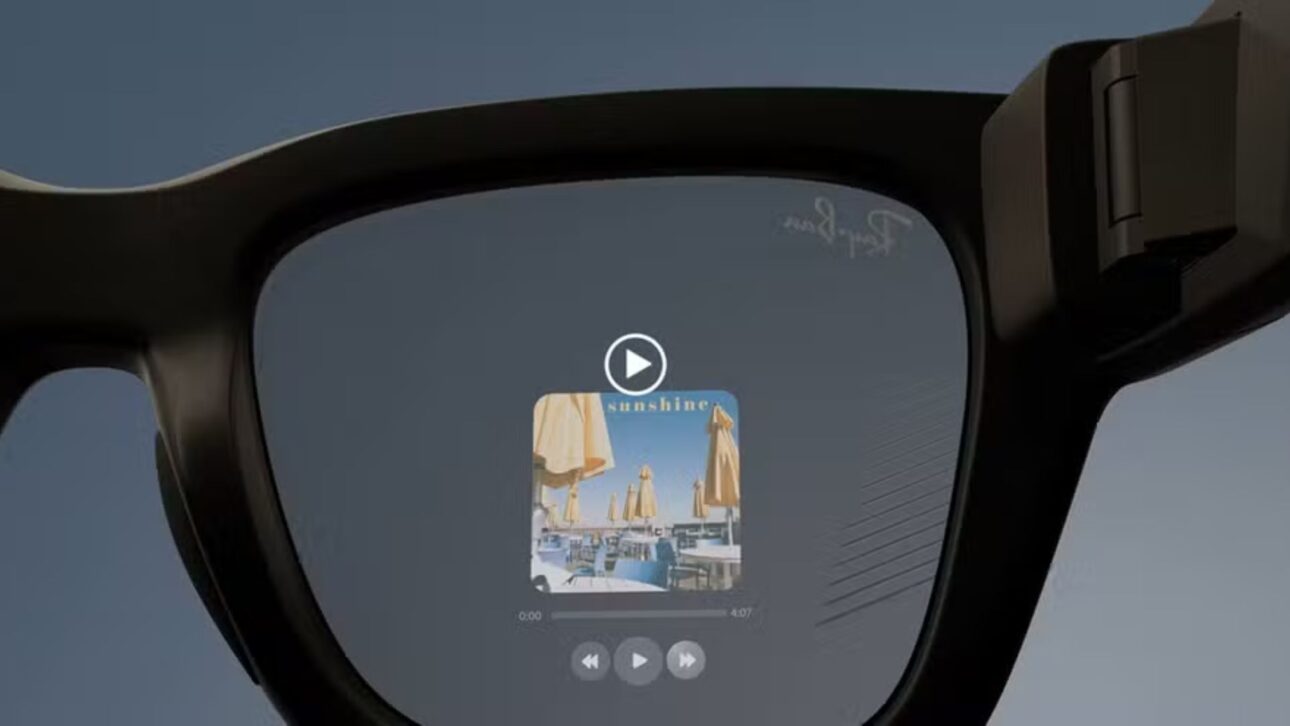
The presented model brings features that once seemed like science fiction: the glasses display text messages, allow for video calls, and show real-time responses from the AI assistant directly on the lenses. Control is not done by buttons or screen, but by a special bracelet that captures hand movements.
-
Helicopter Drops 180 Tons of Sand and Gravel on Swedish River to Revive Ecosystem Damaged by Decades of Exploitation

-
Brazilian Company Launches Retro Smartphone with 48 MP Camera, T9 Keyboard, and Privacy Features for Social Media-Free Use

-
Self-Taught Chinese Farmer Builds 5-Ton Submarine from Scrap, Launches It in Anhui River
-
Invisible Induction Technology Enables Wireless Power for Blenders, Coffee Makers, and Air Fryers, Reducing Countertop Cables




Zuckerberg described the accessory as “the first mainstream neural device,” highlighting the ambition to transform the product into something beyond a mere wearable. The launch is set for the end of the month, with an initial price of US$ 799 (about R$ 4,100 at current exchange rates).
Despite the innovation, the high cost raises questions about the device’s ability to achieve widespread adoption, especially given the still fresh memory of the metaverse failure, a multibillion-dollar project launched in 2021 that failed to capture the public or overcome its technical limitations.
Meta Bets on AI After Setback with Metaverse, But Live Failures Expose Risks

Behind the scenes, Meta is undergoing a clear strategic shift. After reducing focus on the metaverse, Zuckerberg has been directing efforts to consolidate the company as a reference in artificial intelligence. To this end, the Meta Superintelligence Lab was created, complete with team restructuring and even US$ 100 million bonuses offered to researchers from competitors like Google and OpenAI.
However, the demonstration on stage made it clear that the road to superintelligence is still long. During the presentation, Zuckerberg failed to answer a call made by Chief Technology Officer Andrew Bosworth. The problem was attributed to the Wi-Fi, but the scene resonated as a warning about the product’s reliability.
Another updated model of the Ray-Ban line, which promised improvements in battery and cameras, also experienced live failures, this time when attempting to respond to voice commands. This information was reported by InfoMoney, which closely followed the event announcements.
Strategic Partnerships and Geopolitics on Meta’s Radar
Even with the technical difficulties, the company continues to expand partnerships. One of the new announcements was collaboration with Oakley to create glasses aimed at high-intensity sports. The goal is to integrate the device with fitness apps, especially when synced with Garmin watches, expanding the reach of technology in the sports market.
Manufacturing will be handled by the Chinese Goertek, a giant that has been increasing its presence in the smart glasses sector. The choice has not gone unnoticed, as it contrasts with Zuckerberg’s increasingly critical stance toward China, especially amid geopolitical tensions during Donald Trump’s second term.
With this launch, Meta signals its attempt to position itself as a protagonist in the global race for artificial superintelligence. However, the failures during the demonstration reinforce that the path to transforming glasses into real substitutes for smartphones will be fraught with obstacles.




-

-

2 people reacted to this.