Portuguese
  Spanish



Viking Structure Of Large Scale Discovered Under A British Farm, Bringing New Information About The Architecture And Influence Of The Vikings In Great Britain
Archaeologists Have Identified The Largest Viking Age Building Ever Excavated In Great Britain. The Discovery Was Made At High Tarns Farm, In Cumbria, In Northwest England. The Site Revealed An Imposing Structure Buried Beneath A Field, Providing A Rare Insight Into The Anglo-Scandinavian Culture Of The Early Medieval Period.
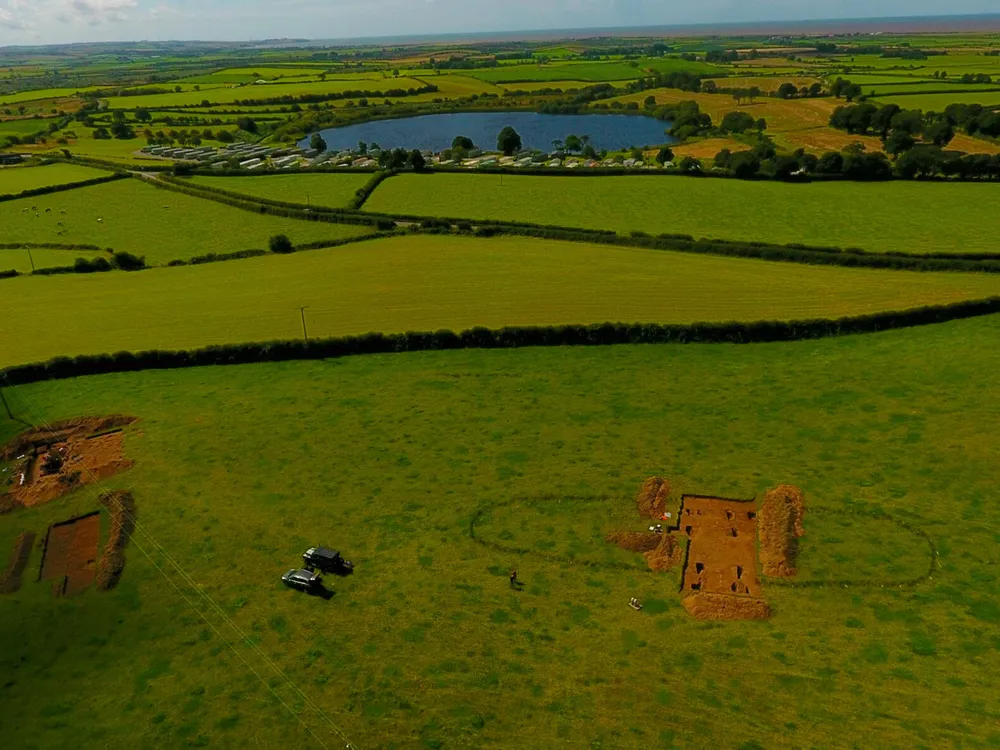
The Research Was Conducted By The Non-Profit Organization Grampus Heritage, With The Participation Of Over 50 Volunteers. The Experts Identified The Remains Of A “Great Hall” Measuring Approximately 160 Feet (48.77 Meters) In Length And 50 Feet (15.24 Meters) In Width.
Archaeologist Mark Graham Highlighted The Significance Of The Find, Stating That It Provides New Details About Viking Society In The Region: “The Importance Of This Discovery, In Shedding Light On The Early Medieval Period And The Social Structure In Rural Cumbria And More Broadly, Is Hard To Overstate“.
-
U.S. Attempted to Tame Hurricanes with Silver Iodide and Aircraft for Nearly 20 Years

-
Teen Inventors Win $50,000 for Pen-Sized Device Using Ultrasound to Remove 94% of Microplastics from Water

-
Ultra-Black Car Paint Absorbs 99.9% of Light, Making Vehicles Look Like “Black Holes” on Wheels

-
Ancient Maya City Discovered in Remote Mexican Area with 12-Meter Pyramid, Palaces, Canals, and 14 Preserved Monuments



Viking Structure And Data
During The Excavation, Archaeologists Found Ten Post Holes That Suggest The Size And Shape Of The Structure. Additionally, A Grain Drying Oven And A Well For Charcoal Production Were Discovered. Radiocarbon Testing Indicated That One Of The Post Holes Dates Between The Years 990 And 1040.
Graham Explained That Similar Structures Have Already Been Found In Manor Farms In Denmark And Other Scandinavian Countries. However, In The Cumbria Region, Viking Archaeology Is Underrepresented Due To The Later Development Of The Area.
More Recent Housing And Settlements Were Built Over Ancient Remains, Making The Preservation Of Structures From This Period Challenging.
Viking Structure: Early Indices And Excavation
The Interest In The Site Emerged In 2022, When Researchers From Grampus Heritage Analyzed Aerial Images And Identified Harvest Marks Suggesting A Possible Buried Structure.
In 2023, The Organization Conducted A Geophysical Survey, Confirming The Existence Of Destroyed Remains Of A Possible Viking Building Beneath The Soil.
Initially, Experts Believed That The Site Might Be Related To The Cistercian Monastery Of Holme Cultram, Founded In The 12th Century. However, The Excavations Revealed An Earlier Context, Bringing A New Perspective On The Region’s Past.
During The Fieldwork, Neil And Irene Armstrong, The Owners Of The Property, Collaborated With The Archaeologists. The Couple Allowed Their Heifers To Be Temporarily Removed From The Area To Facilitate The Excavations.
Over 50 Local Volunteers Participated In The Research, Dedicating Themselves To The Excavation Over 12 Days. The Work Revealed Structural Features, Artifacts, And Thousands Of Small Oat Grains.
Environmental Archaeologist Don O’ Meara, From Historic England, Highlighted The Importance Of This Material For Understanding The Diet And Way Of Life Of The Time: “This Excavation [Was] Entirely Carried Out By Community Volunteers Who Donated Their Time Every Day To Go To The Trenches And Discover Our Shared Past.“
Preservation And Historical Significance
A Survey Indicated That Many Parts Of The Structure Have Been Affected Over Centuries Of Agricultural Activity. Most Surfaces Of The Viking Building Have Been Plowed Over The Years, Making The Preservation Of Viking Age Remains Even Rarer.
Graham Emphasized The Crucial Role Of Volunteers In The Excavation, Highlighting Community Work As Essential To The Discovery. According To Him, The Involvement Of The Local Population Allowed For The Uncovering Of An Important Chapter In British History.
Owner Irene Armstrong Expressed Surprise At The Discovery In Her Farm Field. “It’s Crazy What They Found In Such A Small Space When You Think About It. We Had Some Farmers Wishing To Have Something Like This In Their Field.“
With Information From Smithsonian.