Portuguese
  Spanish


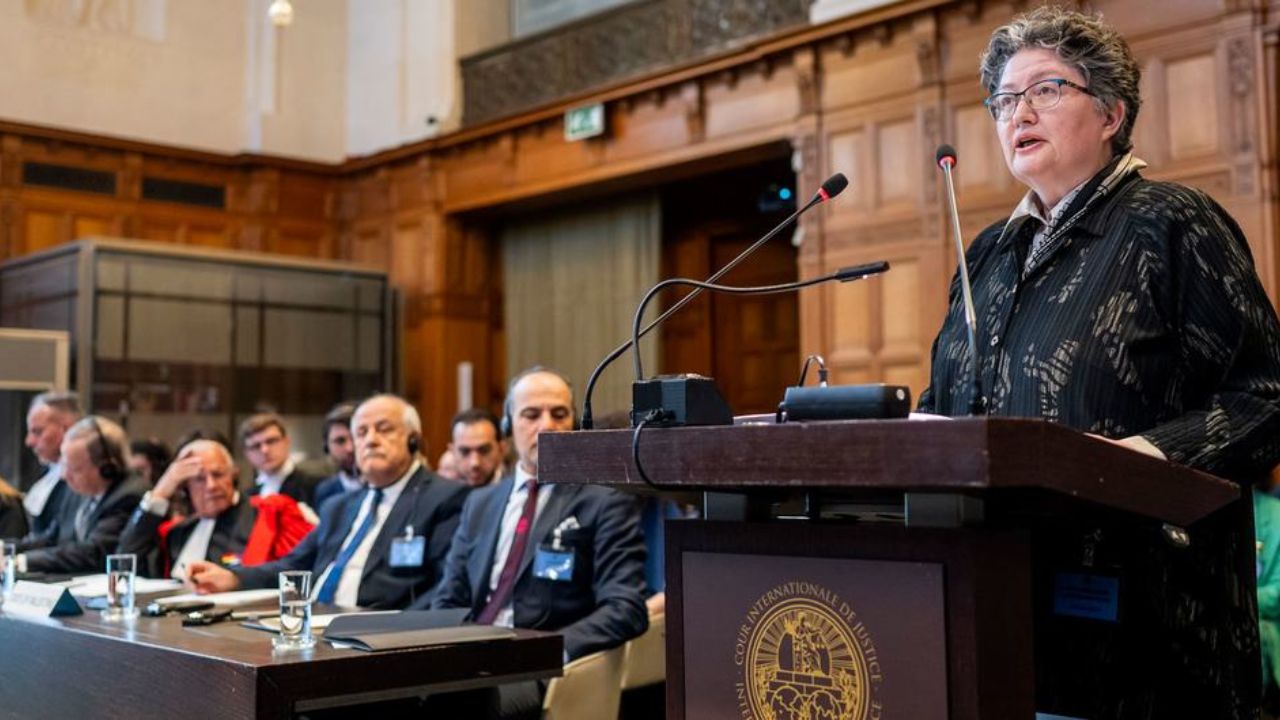

International Court of Justice Opens Hearings with Accusations of Violating International Law
The UN Court began to hear this week the actions of Israel in Gaza, following allegations of systematic blocking of humanitarian aid entry, in one of the most significant trials in recent years on the international geopolitical stage.
UN Court Analyzes Blockade in Gaza and Accusations of Humanitarian Violations
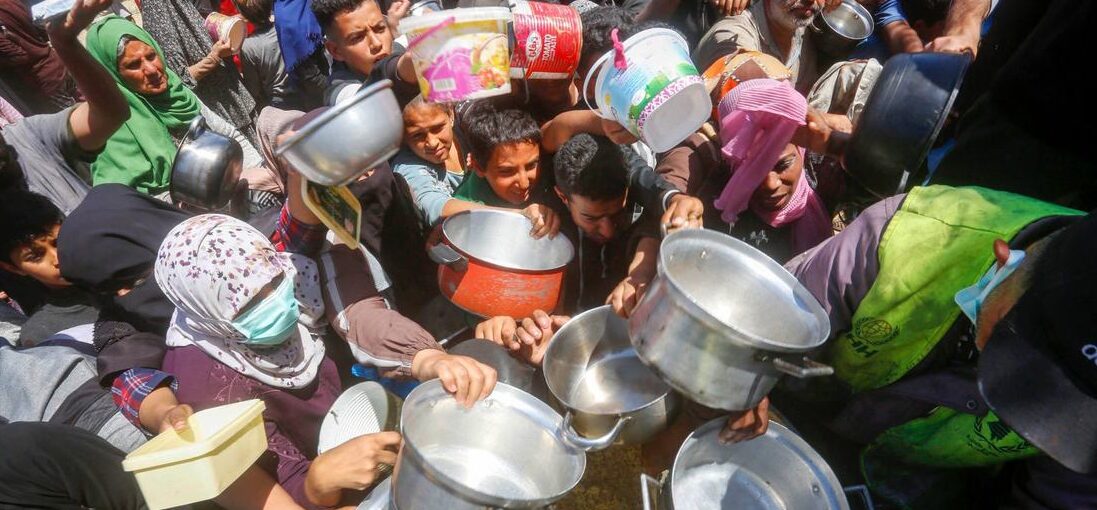
The International Court of Justice (ICJ), the legal arm of the United Nations (UN), started on April 28 a crucial trial regarding Israel’s role in the blockade of the entry of humanitarian aid into the Gaza Strip. The session takes place amid one of the largest humanitarian crises in the region and involves accusations that the country is failing to meet its international legal obligations by preventing the supply of essential goods to Palestinian civilians.
According to information from the portal Gazeta News, the proceedings were initiated at the request of the State of Palestine, which accuses Israel of promoting a systematic policy of denying assistance to a besieged population, affecting hospitals, schools, and vital infrastructure. Palestinian representatives emphasized that since October 2024, the UN Relief and Works Agency for Palestine Refugees (UNRWA) has had its activities blocked, further worsening the situation.
-
European Parliament Approves Digital Euro, Aiming to Challenge Visa and Mastercard’s Dominance and Transform Payments Across Europe by 2029

-
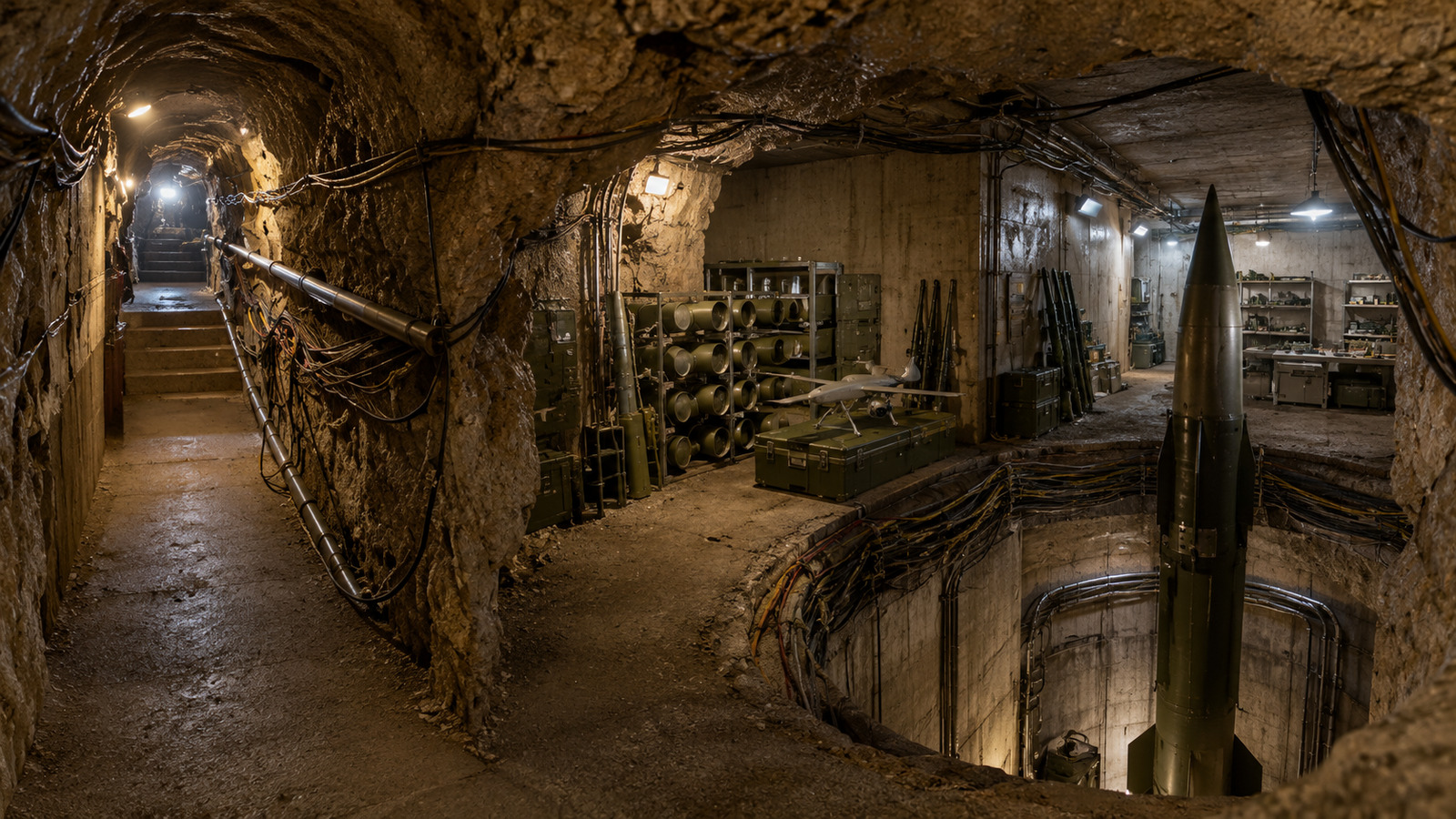
Israel finds Hezbollah militarized tunnel over 200 meters long under village, with 4 missile launch shafts, 12 chambers, anti-tank missiles, drones, and weapons depots at a depth of 25 meters.

-
Ukraine launches largest drone attack on Moscow since 2022, Russia claims to have intercepted nearly 200 aircraft near the capital, Kapotnya refinery targeted again, and offensive reignites alert about war reaching the Russian energy heart just a few kilometers from the Kremlin.

-
Truck drivers, freight, and fines from 2022 take center stage in politics: Chamber approves MP with amnesty, mandatory tracking by CIOT, million-dollar penalties, and new minimum wage for those who spend more than 24 hours on the road.



UN Brings Together Countries and International Organizations in Symbolic Trial
Although the ICJ’s opinion has no binding legal effect, it carries significant political and moral weight. The trial mobilized representatives from 44 countries and four major international organizations, including the United States, China, Russia, Brazil, South Africa, the United Kingdom, and Saudi Arabia. Israel’s absence from the court, which claims not to recognize the UN Court’s jurisdiction and describes itself as a target of persecution, added tension to the case.
During the hearings, the legal advisor of the Palestinian State, Alain Pellet, stated that “2.1 million people are trapped, starving, and under bombardment” in Gaza, while trucks with medical and food supplies await clearance at the borders. This report reinforces international community calls for the urgent lifting of the humanitarian blockade.
Israel Denies UN Court Jurisdiction and Absents Itself from Hearings
According to the Reuters agency, the Israeli government did not send representatives to the court, maintaining its position of non-recognition of the ICJ and reinforcing the rhetoric that the country is being unfairly persecuted. In its absence, the accusations were presented unilaterally, but based on reports from UN agencies and international NGOs.
Even without direct participation, Israel remains under the spotlight of global diplomacy. The pressure for the country to cooperate and allow humanitarian aid access is increasing, especially following reports of deaths due to malnutrition and lack of medical care in Gaza.
Scenario Reinforces UN’s Role in Mediating International Conflicts
The trial reignites the debate over the effectiveness of the UN in mediating prolonged conflicts and enforcing international law. Organizations such as Human Rights Watch and the Red Cross have warned about the devastating consequences of the blockade and have called for global diplomatic mobilization.
The UN Court is expected to deliver its opinion by early May. Although advisory, the trial represents a milestone in holding states accountable for actions that compromise the welfare of civilians in war zones, as highlighted by international law experts in international law.