Portuguese
  Spanish


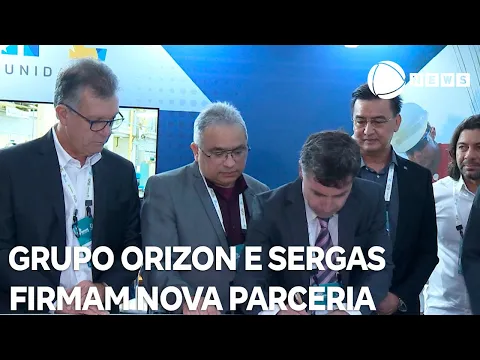
Partnership Between Orizon and Sergas Begins Studies to Enable the Supply of Biogas in Sergipe, Boosting Renewable Energy and Sustainability in the State.
Over the past few years, Brazil has been seeking alternatives to reduce dependence on fossil fuels. Therefore, renewable energy sources have gained prominence, especially those related to waste utilization.
In this context, the supply of biogas in Sergipe emerges as an important milestone in Brazil’s energy transition. Following the signing of a Letter of Intent between Orizon Waste Valuation and Sergas, the state joins a national movement for clean and circular energy.
Thus, this agreement represents more than just a simple business cooperation. It marks the beginning of a new phase for the Sergipe energy sector.
-
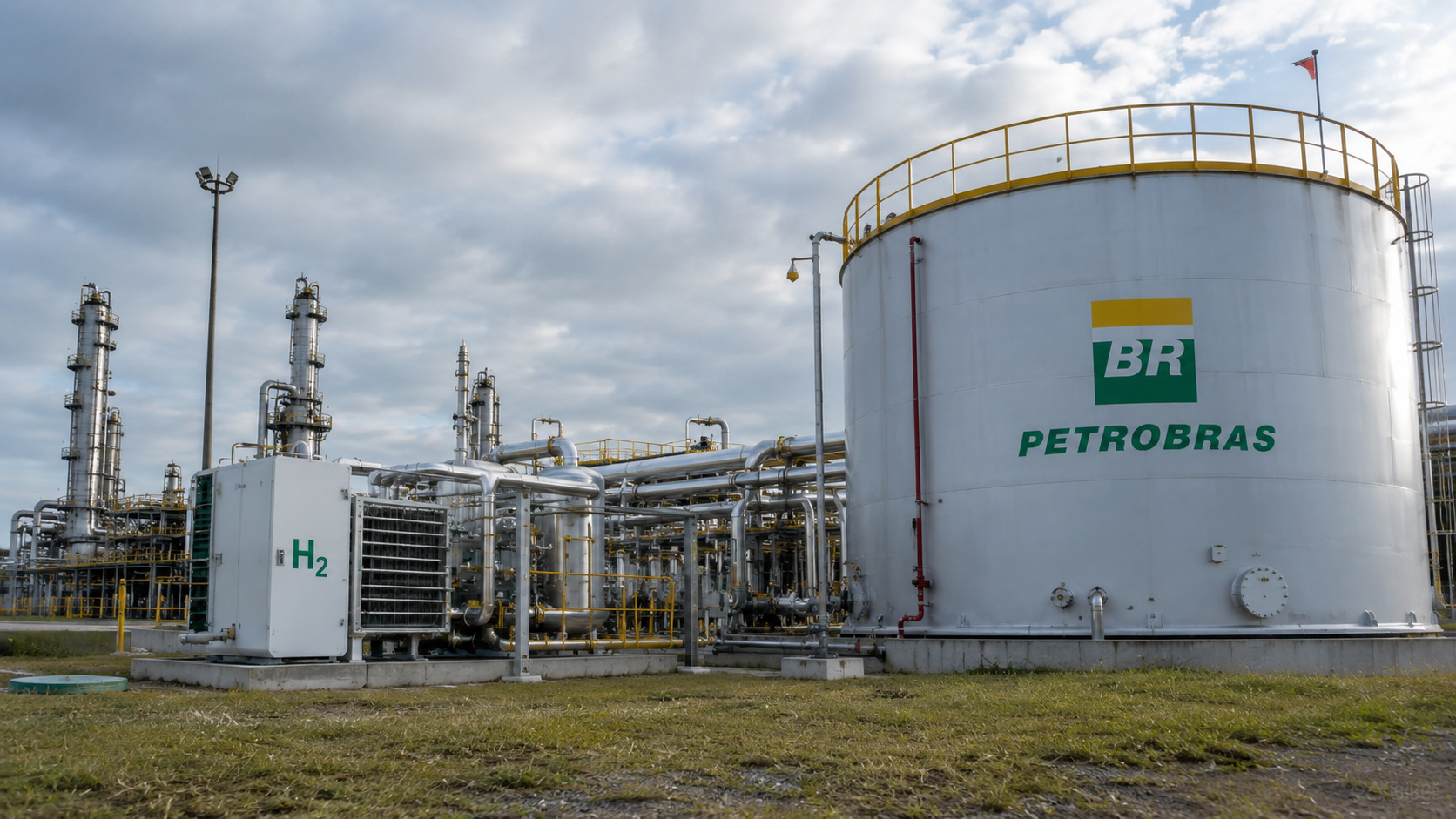
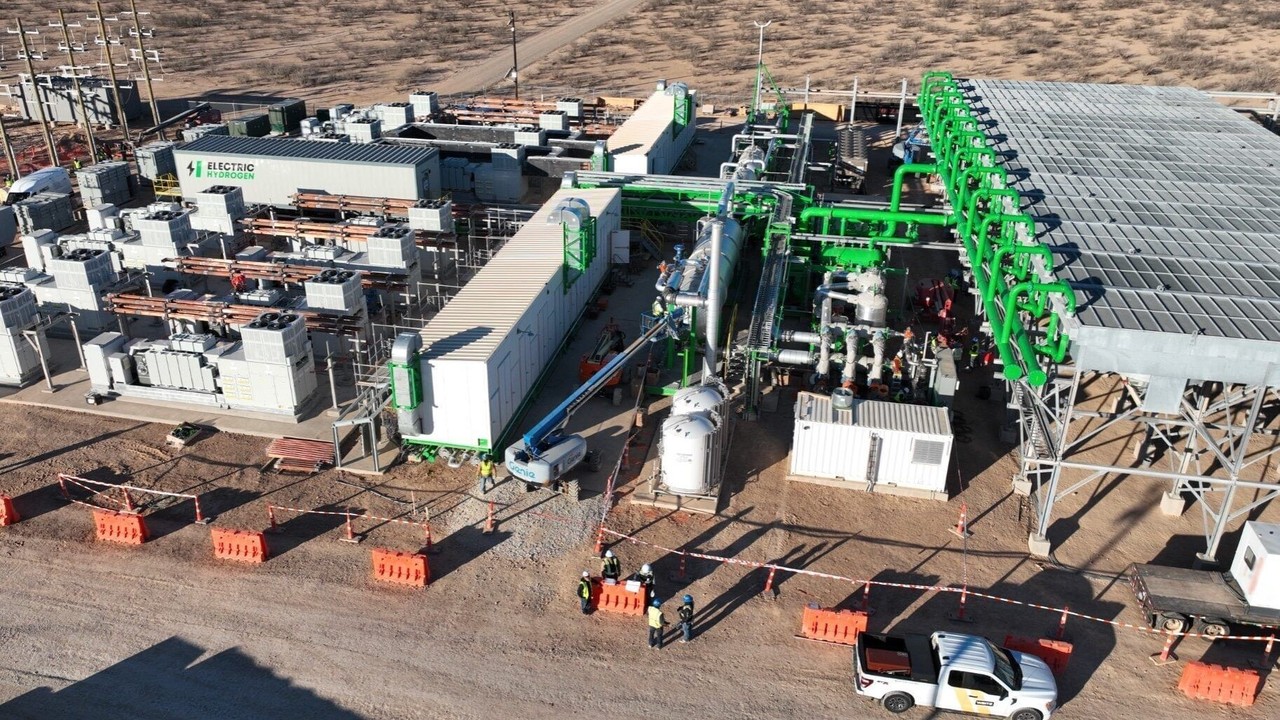
Brazil Aims to Become a Global Exporter of Green Hydrogen, the Clean Fuel Set to Generate Billions

-
Brazil to Hold First Offshore Wind Energy Auction, Aiming to Become the Country’s New Hydropower
-
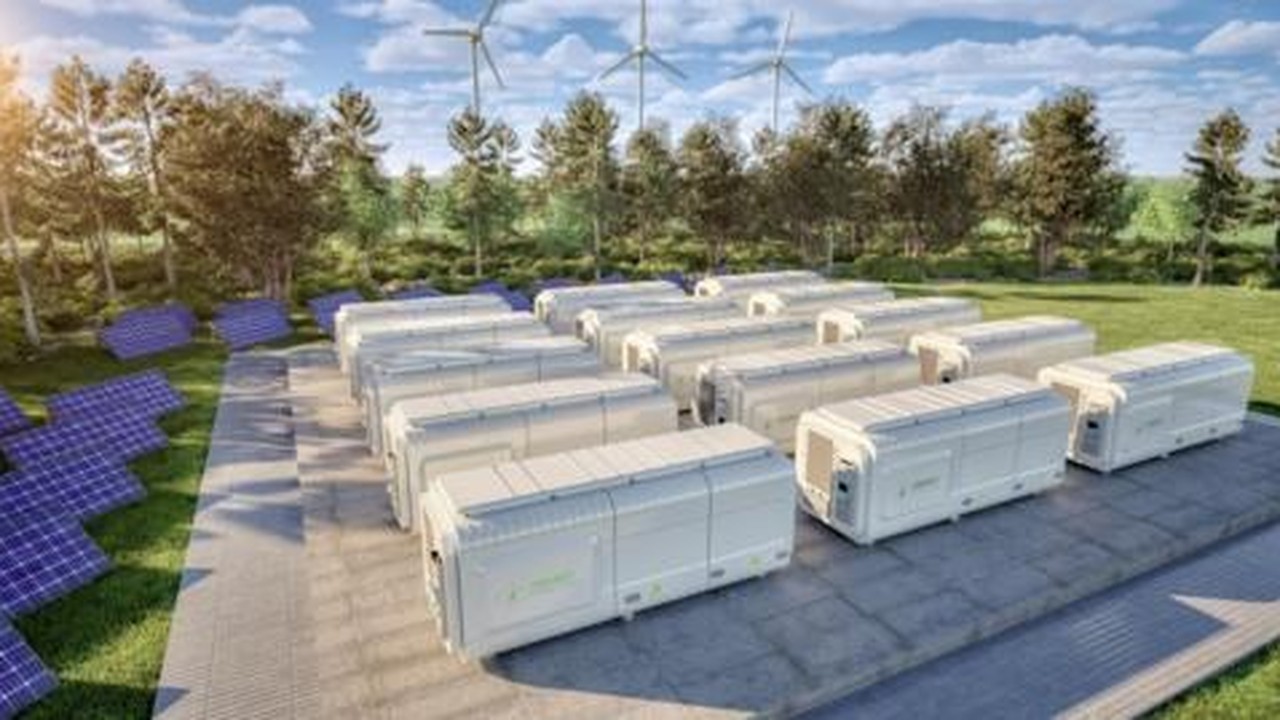
Brazil to Hold First Auction for Batteries to Store Solar and Wind Energy from the Northeast
-
Brazilian scientists are simultaneously advancing two research projects on clean hydrogen and driving solutions that could transform the energy matrix, enhance industrial competitiveness, and accelerate large-scale emission reduction targets.


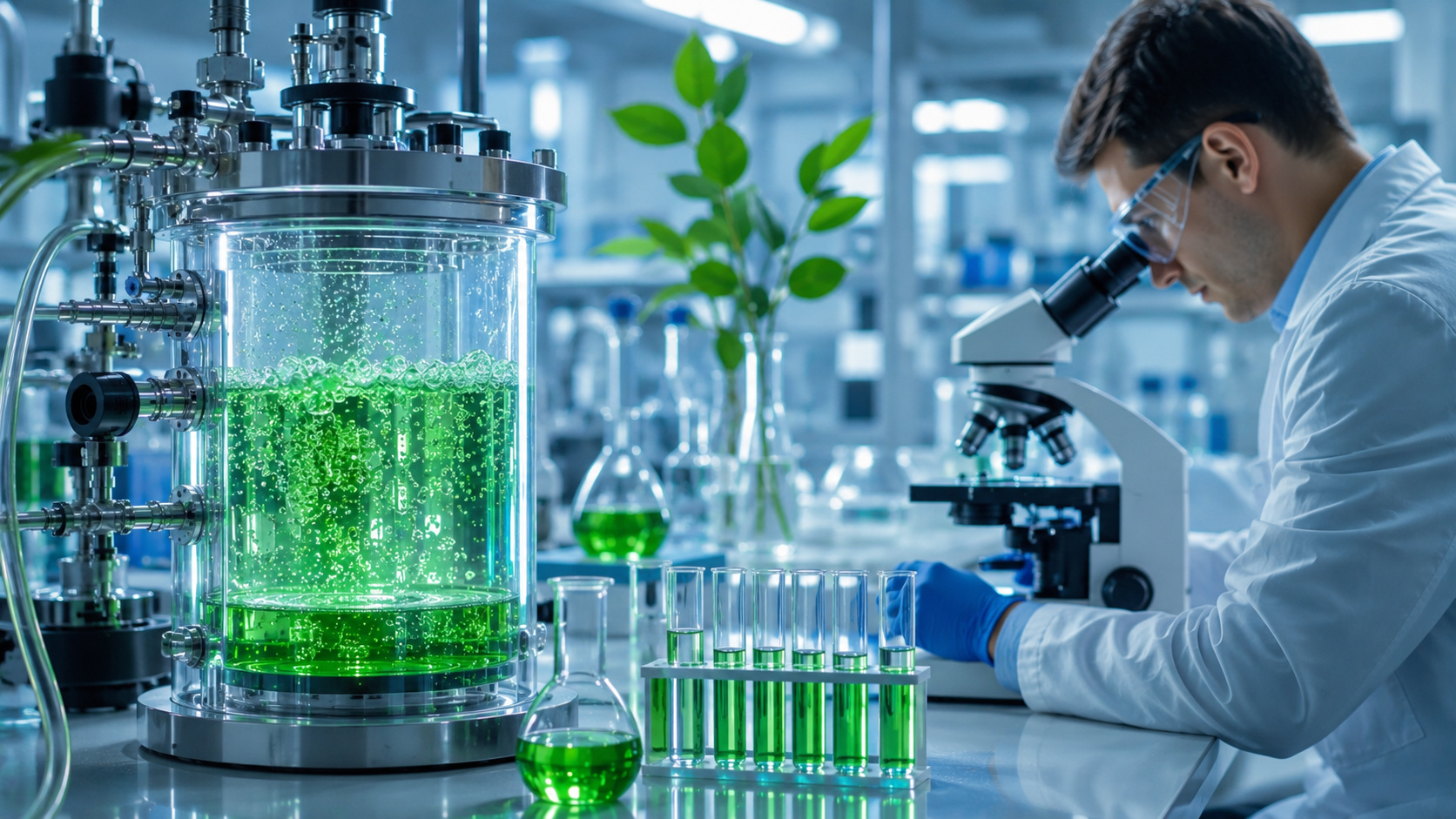
The partnership allows for the initiation of technical, commercial, and regulatory studies aimed at the production and distribution of biogas. Thus, Sergipe advances in the intelligent use of its resources, valuing organic waste that would otherwise have gone to environmentally inadequate destinations.
Furthermore, the purification of biogas generated at the Orizon Ecopark for the production of high-quality biogas demonstrates how innovation and sustainability can go hand in hand. In this way, the state takes firm steps towards a cleaner and more resilient energy matrix.
Biogas: A Strategic and Renewable Alternative
Generally speaking, biogas stands out as a promising alternative to natural gas of fossil origin. Since the 2000s, Brazil has invested in the valorization of biogas, mainly due to the growth of agribusiness and urban waste generation.
Over time, the possibility of purifying this biogas and transforming it into biogas has expanded the energy use of this source. Consequently, by considering the supply of biogas in Sergipe, the state strengthens its capacity to face challenges related to energy security.
In times of fluctuations in the supply of imported gas, or in situations of water crises, biogas represents a local, renewable, and secure source. In this sense, Sergas’s role as a state distributor is essential.
The company has been expanding its operations and diversifying energy sources. The inclusion of biogas in its portfolio reinforces its commitment to innovation and sustainability.
On the other hand, Orizon, responsible for operating the Ecopark, consolidates its expertise in transforming solid waste into usable energy. It takes center stage in biogas generation.
Consequently, this strategic union allows Sergipe to position itself among the states that invest in sustainable solutions for the energy future.
Sustainable Development and Circular Economy
The proposal to inject biogas into the Sergas network is directly linked to the circular economy. Instead of simply discarding waste, the model transforms trash into energy input.
As a result, pressure on landfills is reduced and the intelligent use of available resources is expanded. At the same time, the substitution of natural gas by biogas effectively contributes to the reduction of greenhouse gas emissions.
In this way, Sergipe not only collaborates with the environmental commitments assumed by Brazil but also promotes improvements in local quality of life. Furthermore, the presence of a clean supply may attract industries concerned with their decarbonization goals.
Increasingly, companies demand renewable energy sources to meet market requirements and ESG (environmental, social, and governance) principles. Thus, the supply of biogas in Sergipe also becomes a factor of regional competitiveness.
Finally, the operation will be monitored by regulatory bodies such as the National Agency of Petroleum, Natural Gas, and Biofuels (ANP) and the Regulatory Agency for Public Services of the State of Sergipe (Agrese).
This ensures that the production and distribution of biogas occur within the required quality and safety standards.
Commitment to Energy Transition
Since the signing of the Paris Agreement, Brazil has advanced in implementing public policies aimed at clean energy. Thus, biogas has become a key component in the national decarbonization strategy.
Several states, such as Paraná, São Paulo, and Minas Gerais, already have structured projects for the production and use of renewable gas. Therefore, Sergipe’s entry into this scenario strengthens the country’s commitment to a fair and decentralized energy transition.
Local biogas production avoids transporting gas over long distances. This reduces logistical costs and environmental impacts.
On the other hand, Sergipe’s experience can serve as a model for other regions with similar profiles. States with significant urban solid waste production but low energy diversification will find in the Sergipe example a reference for transforming environmental challenges into economic opportunities.
In this way, Brazil expands its global prominence in the bioenergy sector. The country consolidates itself as a nation that combines natural resources with technological innovation.
Economic and Social Benefits for Sergipe
The biogas supply project in Sergipe also generates positive effects on the local economy. The production chain involves stages such as waste collection, Ecopark operation, biogas purification, and injection into the distribution network.
Each of these phases requires specialized labor, equipment, and services. Consequently, there is job creation, economic movement, and technical training for the local population.
At the same time, renewable gas can serve medium and large companies that require continuous thermal energy. Thus, a favorable environment for sustainable industrialization is created.
Moreover, the Letter of Intent signed by Orizon and Sergas opens up opportunities for future public-private partnerships. This expands the project’s scope.
Depending on the results of the technical studies, production may be scaled up and include new distribution points in the state. Thus, the supply of biogas in Sergipe transforms into a vector for regional development.
It connects environmental concerns, business opportunities, and public policies aimed at sustainability.
Paths for the Future of Biogas
By investing in biogas, Sergipe shows that it is possible to innovate even outside major industrial centers. The Orizon Ecopark represents the commitment to local solutions for global problems.
As studies advance, the state may consolidate a clean and independent energy system. In this context, the role of educational and research institutions also becomes relevant.
The collaboration between universities, companies, and the state government can accelerate the development of new technologies. Furthermore, it can optimize the purification and distribution processes of the gas.
Therefore, the supply of biogas in Sergipe should not be viewed only as a technical alternative. It represents a paradigm shift by promoting the intelligent use of resources that were once discarded.
With this, the state progresses towards a future where sustainability is not just a distant goal but a concrete and accessible practice.
In this way, Sergipe reaffirms its position as a territory of innovation, environmental responsibility, and strategic vision.