






 Portuguese
  Spanish


With Focus on Combustion Engines, Automaker Challenges the Electric Trend and Projects Continued Success in 2025. Is the End of Electric Cars Near?
While many automakers are accelerating towards total electrification, Mazda has chosen an alternative path and is reaping the rewards of its strategy. The Japanese automaker ended 2024 with a record sales in the United States, exclusively betting on combustion vehicles and forecasting even greater growth for 2025, according to the news site Notícias Automotivas.
Historic Growth: Automaker Mazda Records Impressive Numbers in 2024
With over 420,000 units sold, Mazda recorded a 16% increase compared to the previous year, reaching its highest sales volume in the United States since 1986. The popularity of compact crossovers and midsize SUVs, such as the CX-5, CX-30, and CX-50, drove this performance.
Tom Donnelly, president of Mazda’s North American operations, highlighted the stability of the automotive market in terms of volume and the brand’s ability to expand its reach even in a competitive landscape.
-
2027 Toyota Corolla Cross Unveiled: New Design, Enhanced Fuel Efficiency, Reduced Maintenance Costs, Advanced Technology, Connected Services, and Up to 10-Year Warranty

-
Fiat Cronos Precision 2018: Affordable Sedan with Spacious Trunk and Reliable Maintenance
-
Volkswagen to Cut Production by 1 Million Cars by 2030, Reducing Jobs and Platforms, Focusing on More Profitable Models

-
Toyota Launches First 100% Electric Car in Brazil: bZ4X with 343 HP, All-Wheel Drive, 361 km Range, Priced at $419,990 BRL, Limited to 99 Units



“We are expanding our business in a market that has remained stable in volume”, Donnelly stated.

Mazda’s Gradual Strategy in the Electrification Market
Despite success with combustion engines, Mazda does not ignore the electrification trend. The brand recently introduced hybrid models such as the CX-50, CX-70, and CX-90, utilizing technology developed in partnership with Toyota. However, acceptance of these models is still divisive.
Donnelly revealed that Mazda plans to create its own hybrid system and launch a 100% electric vehicle in the U.S. only by 2027. This cautious approach reflects the company’s view of the BEV market (battery electric vehicles), which currently represents about 10% of the automotive market.
“BEV penetration is at 10% right now and, considering recent events, it shouldn’t grow much beyond that”, Donnelly explained, emphasizing that Mazda is in no rush to fully embrace electrification.
Models Driving Mazda in the U.S.
The CX-5 remains Mazda’s main success, representing one of the pillars of sales in the U.S. Manufactured in Japan, the model is expected to receive a major update in the next 12 to 24 months.
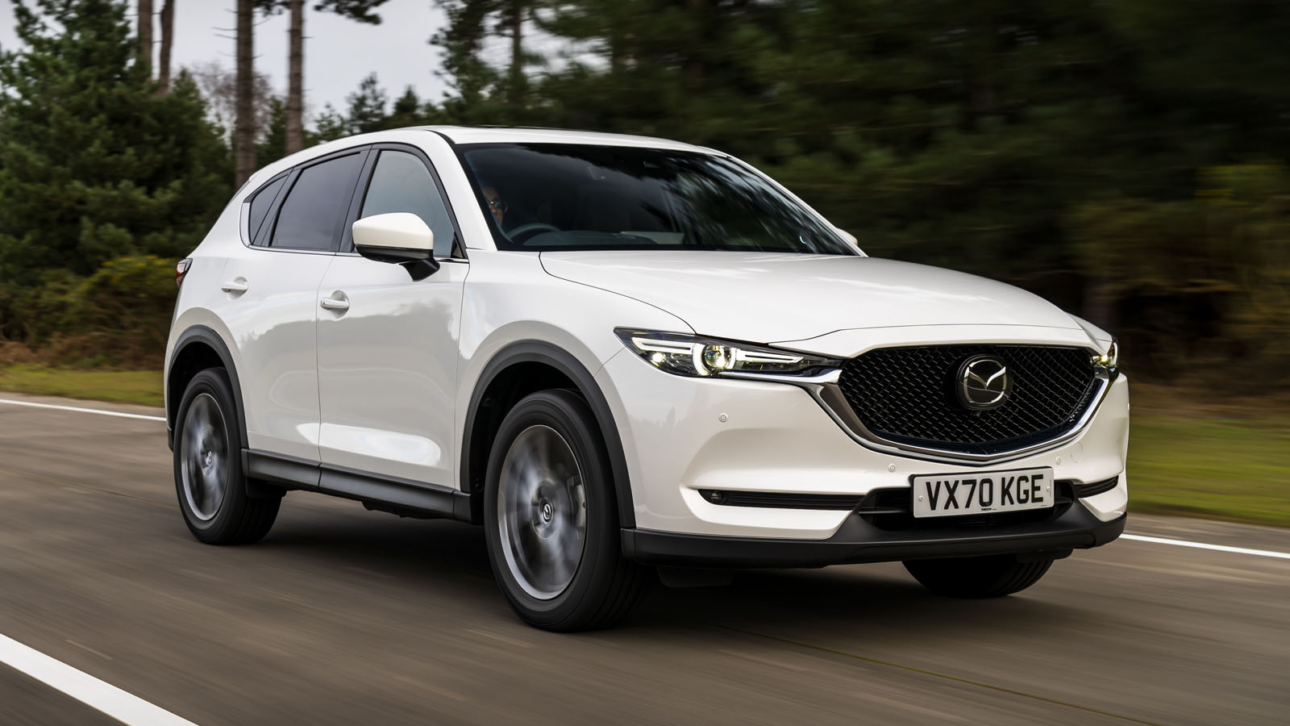
Other highlights include the CX-30, produced in Mexico, and the CX-50, assembled in Alabama at a plant shared with Toyota. These models solidify Mazda’s position in the North American market, balancing innovation and accessibility.







