Portuguese
  Spanish




After 50% Tax on Products, US Government Considers Blocking GPS in Brazil, Increasing Diplomatic Crisis and Generating Technical Alert
The relationship between Brazil and the United States has entered a new phase of tension. After the 50% tax on all Brazilian products announced by President Donald Trump, another threat has emerged: the possible blocking of the GPS system in Brazilian territory. The measure has sparked debates, criticisms, and technical doubts about its feasibility.
Military System with Civil Use
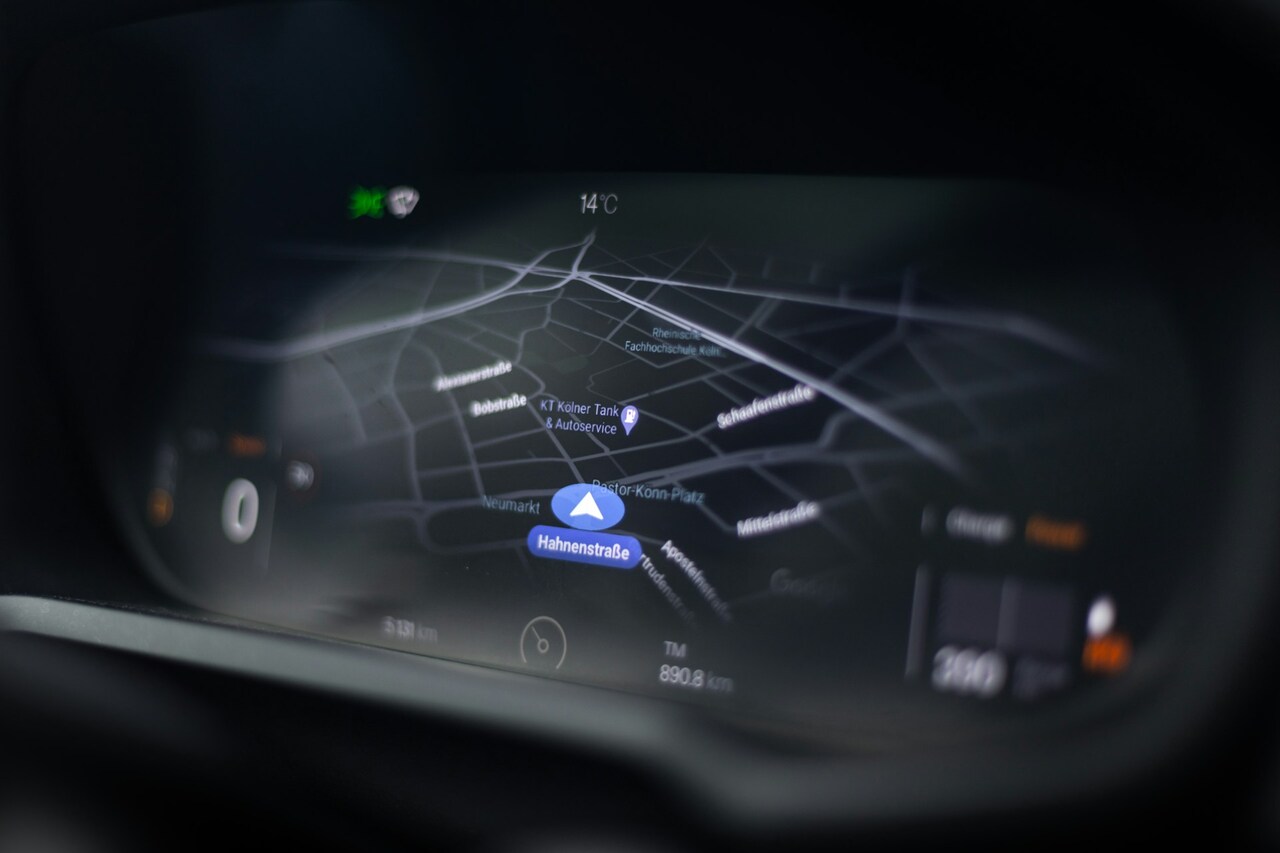
The GPS, short for Global Positioning System, was created for military purposes at the end of the 20th century. Today, it is present in cell phones, cars, airplanes, logistics systems, and even in the financial sector.
The technology works through signals sent directly by satellites to devices around the world. These signals are unidirectional and freely accessible.
-
Brazilian Brothers Transform Dairy Business into Latin America’s Best Cheese, Boosting Revenue from $80,000 to $4 Million

-
He Left Construction, Partnered with His Wife, and Turned a Homemade Gelato Hobby into Brazil’s Largest Chain with 240 Stores and $100 Million Annually
-
Brazil Faces Caregiver Shortage Despite Having 34.1 Million Elderly, Highlighting a Major Challenge for Families
-
Brazil’s Assaí Generates $4 Billion in Quarterly Revenue, Profits $16.7 Million, Highlighting High Tax Burden


Would Blocking GPS in Brazil Be Possible?
According to technology commentator Pedro Doria, the answer is clear: no. He argues that blocking GPS on a large scale would be an “unimaginable engineering feat.”
The explanation is simple. The system allows, at most, localized interference in very small areas.
“It is possible to block the GPS signal only in an area of 12 km². Brazil has 8.5 million square kilometers. So, it would be a lot of work to do this, 12 kilometers at a time and all the time,” Doria stated.
Even though it is unlikely, if there were a GPS blockage, crucial sectors would be affected. Aviation, maritime transport, logistics, telecommunications, energy supply, and even the Brazilian financial system depend on GPS.
One of the most important uses is the precise provision of time data, essential for the security of electronic transactions.
GNSS: More Than Just GPS
Popularly, any satellite-based location system is called GPS. But technically, the correct name is GNSS — Global Navigation Satellite System.
GPS is just one of the existing systems. Other examples include Glonass (Russia), Galileo (Europe), and BeiDou (China).
Modern devices, such as cell phones and embedded systems, generally access several of these systems simultaneously.
In other words, even if the US GPS were blocked, the other GNSS would still be active in Brazil. This would significantly reduce the impact of any eventual measure.
Growth of Diplomatic Crisis
The recent threats are set against the backdrop of increased tension between the two countries. The situation has worsened following economic and diplomatic measures from the United States.
In addition to the tax and the possible GPS blockage, Marco Rubio, US Secretary of State, revoked the visa of Minister Alexandre de Moraes.
He justified the decision by alleging a “witch hunt” against Bolsonaro.
The letter sent by Trump to Brazil, which determined the new tax, cites Section 301. This rule allows the US to impose sanctions against countries accused of unfair trade practices.
It has previously been used against China and now serves as a basis for justifying the measures taken against Brazil.
With information from Xataka.