





 Portuguese
  English
  Spanish
  6 min of reading
  0 comments


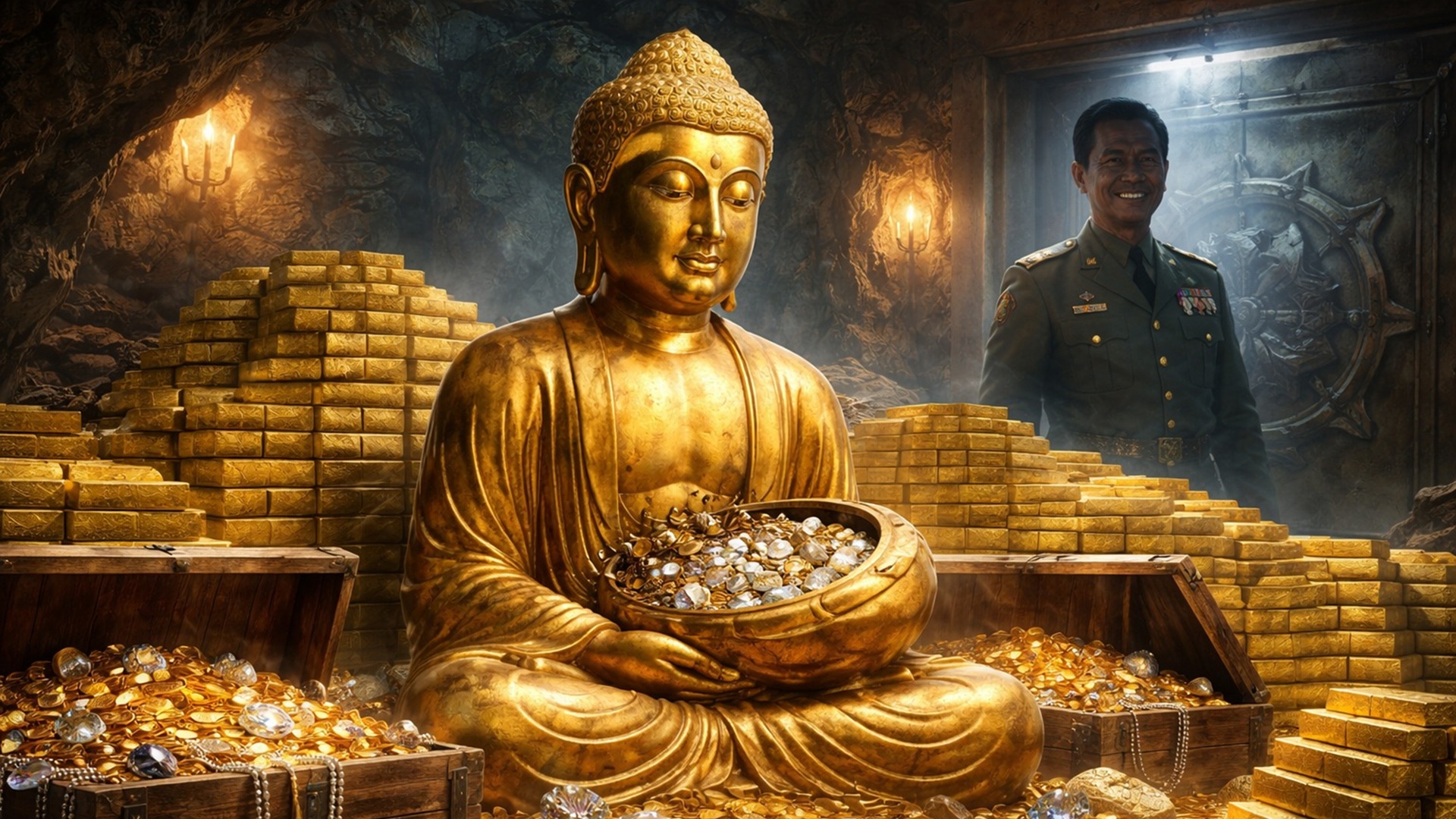
Investigation Into The Lost Gold Reveals How A Treasure Associated With World War II, Discovered By A Civilian In 1971 In The Philippines, Was Confiscated During The Marcos Regime, Resulting In Torture Allegations, Political Flight In 1986, And A Billion-Dollar Judicial Compensation.
The Story Of The Lost Gold Involves The Discovery Reported By A Civilian In 1971, Accusations Of State Confiscation During The Ferdinand Marcos Regime, Tortures, Political Exile In 1986, And A Trial That Resulted In Compensation Of US$ 22 Billion, Maintaining Historical, Legal, And Economic Impacts To This Day.
The Historical Context Of The Lost Gold During World War II
The Lost Gold Is Linked To The Japanese Occupation Of The Philippines During World War II. Recurring Reports Claim That Japanese Forces Collected Gold, Diamonds, And Historical Artifacts In Southeast Asian Territories Under Military Control.
According To This Narrative, The Goods Would Have Been Transported To The Philippines And Hidden In Tunnels And Caves Dug In Mountainous Regions. This Version Holds That The Lost Gold Would Be Recovered After The End Of The Conflict.
-
In Japan, a 40 by 60-meter concrete museum without pillars rises like a floating drop, allowing wind, light, and rain inside the space and surprising architects and engineers with the delicacy of the structure.

-
While traditional constructions rely on tons of concrete to support weight, in England an abandoned site was converted into transparent hexagonal domes, combining lightweight engineering and mine repurposing, transforming the landscape and local tourism.
-
While historical buildings rely on artificial lighting, a museum in Wisconsin uses 66-meter movable wings to control natural light and create the effect of a giant bird over its glass hall.
-
While Brazilian stadiums take weeks to change the turf, the Santiago Bernabéu in Madrid stores six trays of 1,500 tons in less than five hours and transforms the field into a stage, increasing revenue and event capacity.



From A Verifiable Historical Perspective, It Is A Fact That Japanese General Tomoyuki Yamashita Commanded Troops In The Region And Was Captured After The Japanese Surrender.
It Is Also A Verified Fact That Yamashita Was Tried For War Crimes And Executed By Hanging In 1946. With His Death, No Official Documentation About Alleged Hiding Places Of The Lost Gold Was Presented.
From This Point Onward, The Existence Of An Organized System Of Tunnels Containing Large Volumes Of Wealth Passes Into The Realm Of Historical Claims And Filipino Oral Tradition.
The Lost Gold As A Persistent Legend In The Post-War Era
In The Following Decades After The Conflict, The Lost Gold Became A Central Element Of Local Stories In The Philippines. Treasure Hunters Began To Search For Traces In Areas Associated With The Japanese Military Presence.
It Is Verified That There Was A Proliferation Of Amateur Excavations And Local Authorizations For Searches In Old Tunnels And Abandoned Mines. However, There Are No Official Records Confirming The Systematic Location Of The Lost Gold.
The Absence Of Japanese Military Inventories And The Destruction Of Infrastructure During The War Reinforced The Speculative Nature Of These Searches. Nevertheless, The Lost Gold Maintained Cultural And Economic Relevance.
This Environment Explains Why Individual Reports, Even If Not Fully Verifiable, Gained National And International Repercussions Over Time.
The Discovery Reported By Rogelio Roxas In 1971
In 1971, The Locksmith Rogelio Roxas Claimed To Have Located A Hiding Place Linked To The Lost Gold In The City Of Baguio, In Northern Philippines.
According To The Account Presented Later In Legal Actions, Roxas And A Small Group Dug For Months In An Old Mine Shaft. The Access Was Said To Lead To Tunnels Containing Metal Boxes.
Roxas Claimed To Have Found Gold Bars And A Golden Buddha Statue About 90 Centimeters Tall. These Details Are Part Of The Testimony Of The Discoverer Himself And Not From Independent Technical Reports.
The Claim That The Statue Weighs Approximately One Ton Is Included In The Account, But Was Not Confirmed By Official Examination. Still, The Episode Became The Most Concrete Case Associated With The Lost Gold.
Diamonds, Negotiations, And The Inflation Of The Alleged Value
According To Roxas’s Testimony, The Head Of The Buddha Statue Would Be Removable And Hide Raw Diamonds Inside It. This Point Reinforced The Perception Of High Value Of The Lost Gold.
According To The Account, Potential Buyers Evaluated The Object As High-Purity Gold. However, These Evaluations Are Not Documented As Public Technical Documents.
What Is Verifiable Is That Roxas Initiated Commercial Negotiations Related To The Find. This Movement Helped Bring The Existence Of The Lost Gold To The Attention Of Political Authorities.
From There, The Episode Left The Private Sphere And Began To Directly Involve The Philippine State.
The Seizure Of The Material And The Role Of The Marcos Regime
Days After The Negotiations, Roxas’s Residence Was Invaded By Armed Men Dressed As Military Personnel. The Operation Took Place Without A Search Warrant.
According To The Legal Proceedings, Goods Associated With The Lost Gold Were Confiscated, Including The Statue, Metal Bars, And Other Personal Items.
The Responsibility For The Operation Was Attributed To The Then-President Ferdinand Marcos, Who Governed The Country Under An Authoritarian Regime At The Time.
It Is A Verified Fact That Marcos Exercised Direct Control Over Security Forces And That The Confiscation Occurred While He Was In Power, Establishing The Central Link Of The Litigation Over The Lost Gold.
Arrest, Torture, And Coercion: Facts And Allegations
Roxas Claimed To Have Been Abducted And Tortured To Reveal The Location Of Other Deposits Of The Lost Gold. He Described Electric Shocks, Assaults, And Threats To His Family.
These Reports Are Included In Judicial Testimonies And Were Considered Credible By The Jury In The Civil Case. However, There Are No Independent Medical Records Detailing Each Method Described.
It Is Also Documented That Roxas Was Coerced Into Signing Statements Exonerating The President Of Responsibility. This Point Was Central To Characterizing Coercion In The Case Of The Lost Gold.
Later, Roxas Was Arrested And Convicted For Illegal Possession Of Firearms, Serving A Two-Year Sentence, A Fact Recorded In Official Documents.
The Fall Of The Regime And The Statements Of Imelda Marcos
In 1986, Ferdinand Marcos And His Wife Imelda Marcos Left The Philippines And Exiled Themselves In Hawaii After The Fall Of The Regime.
This Event Is Fully Verified And Marked The Beginning Of A Public Reevaluation Of The Origin Of The Wealth Accumulated By The Marcos Family.
In 1992, Imelda Declared To The Press That Her Husband Had Found Japanese Treasures After The War. She Claimed That The Amount Was So High That Her Tax Declaration Would Be Embarrassing.
Her Statement Is A Documented Journalistic Fact And Reinforced The Direct Association Between The Marcos Regime And The Lost Gold, Even Without Detailing Volumes Or Locations.
The Trial And The Compensation Of US$ 22 Billion
The Legal Dispute Launched By Roxas’s Estate Progressed In International Courts After The Fall Of The Regime. The Case Analyzed The Forced Seizure Of The Lost Gold.
In 1996, A Jury Concluded That Ferdinand Marcos Was Responsible For The Illegal Confiscation Of The Reported Treasure. As A Result, A Compensation Of US$ 22 Billion Was Established.
This Amount And The Judicial Decision Are Confirmed Facts. The Ruling Recognized The Civil Liability Of The Regime In The Case Of The Lost Gold.
The Practical Execution Of The Compensation, However, Faced Limitations, Keeping The Case Active In Legal And Historical Discussions.
Modern Searches And Risks Associated With The Lost Gold
Even After The Trial, The Lost Gold Continues To Motivate Expeditions In The Philippines. Modern Groups Use Heavy Machinery, Sensors, And Controlled Excavations.
It Is Verifiable That Old Tunnels Represent Real Risks, Including Collapses And The Presence Of Gases. Claims About Military Traps Remain Without Conclusive Technical Evidence.
Diverse Treasure Hunters Abandoned Searches After Health Issues Or Structural Failures. Still, The Lost Gold Is Treated As Potentially Recoverable.
These Initiatives Show That The Story Remains Active Despite The Uncertainties Surrounding Its Material Basis.
Fact, Allegation, And Historical Permanence
The Lost Gold Now Occupies A Hybrid Zone Between Verified Facts And Unverified Allegations. Facts Include: The War, The Execution Of Yamashita, The Find Reported By Roxas, The Confiscation, And The Trial.
Allegations Include: The Total Extent Of The Treasure, The Existence Of Several Interconnected Tunnels, And Large Volumes Still Buried. These Points Have Never Been Proven.
Nonetheless, The Lost Gold Remains Relevant As A Historical, Legal, And Cultural Theme, Influencing Research, Audiovisual Productions, And New Investigations.
More Than Seven Decades After The War, The Lost Gold Continues To Symbolize The Intersection Between Armed Conflict, Political Power, Economic Ambition, And Institutional Silence, Remaining Without A Definitive Conclusion.




-

-

-

-

-

-

15 people reacted to this.