Portuguese
  Spanish


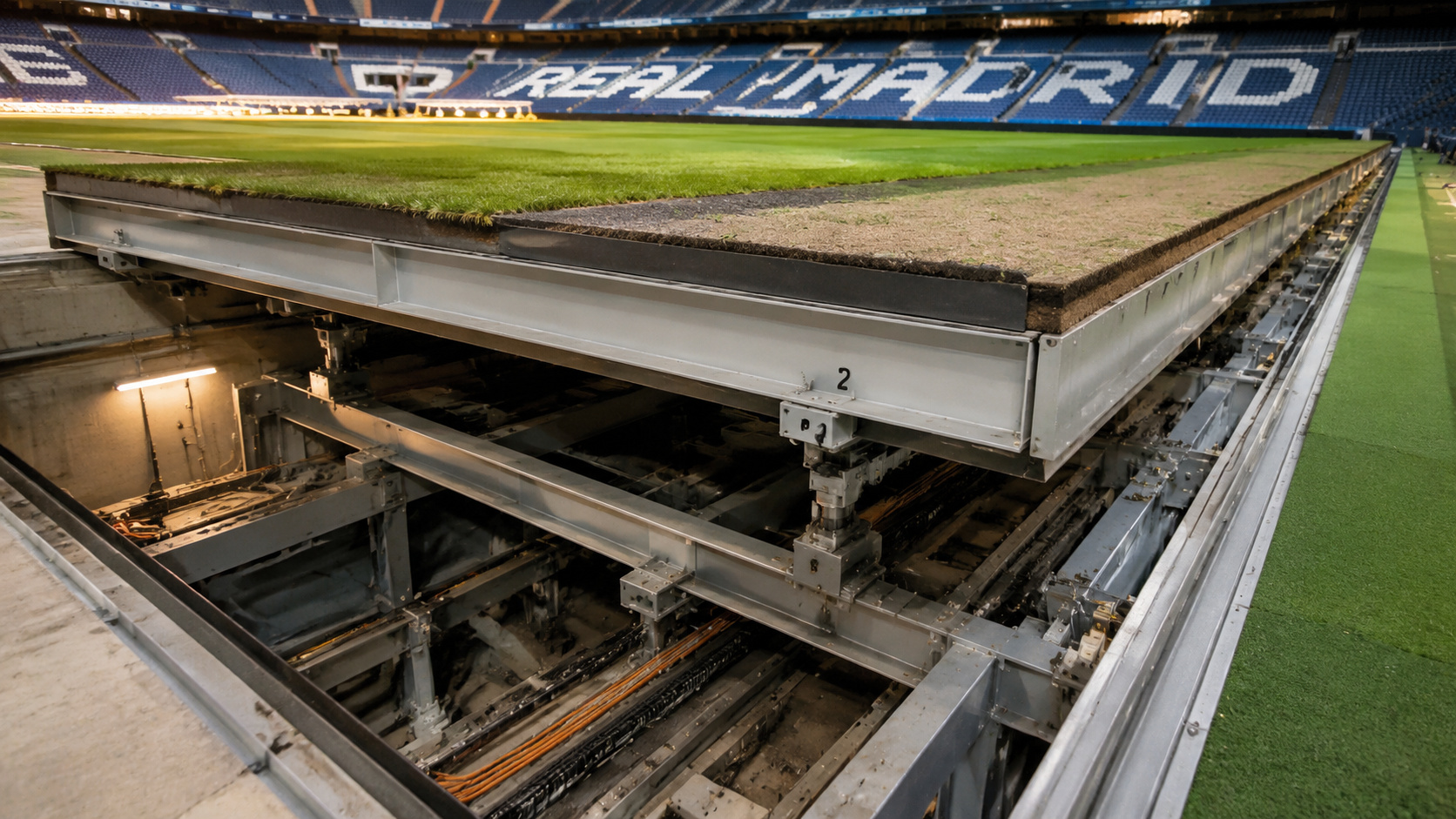

The natural turf of the Santiago Bernabéu is protected in underground trays, allowing shows, matches, and events without compromising quality and expanding the stadium’s use
The Santiago Bernabéu in Madrid has adopted an innovative system that protects the natural turf in six trays of 1,500 tons each. This solution allows the stadium to be transformed into a venue for shows, conventions, and football matches without damaging the grass, keeping the field in perfect condition even when not in use.
The technology increases the flexibility and revenue of the stadium, as each tray is automatically moved to an underground chamber that controls ventilation, irrigation, lighting, and drainage, ensuring the turf remains healthy during the transition between events.
What is Hypogea
Hypogea is a retractable system that divides the field into movable trays capable of being transported laterally and vertically. Each tray reaches the underground chamber equipped with full maintenance to keep the grass alive and ready for sports use.
-
Brazilian Container Factory Innovates by Halving 40-Foot Units Seamlessly to Create Autonomous Market Pods

-
Former XP Partners Launch Yuool, a Recycled PET Bottle Shoe Brand, Becoming Brazil’s First B Corp Footwear Company with $15 Million Revenue

-
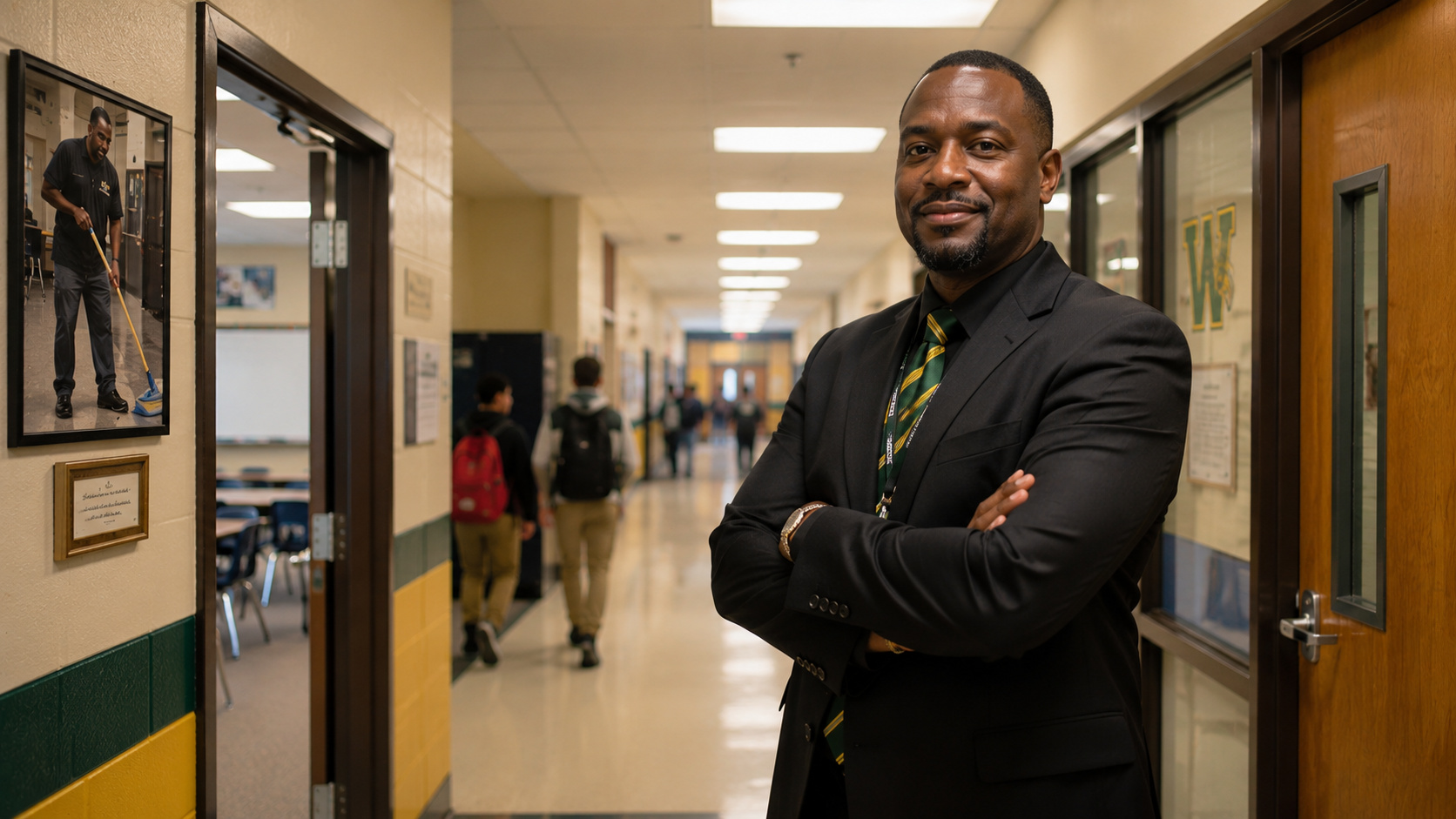
Man Who Spent 27 Years Cleaning Classrooms in Louisiana Becomes Principal of the Same School at 39

-
Discarded Firefighter Uniforms Repurposed into Fire-Resistant Fabric by Spanish Company




The information was published by SENER, an engineering and technology company, detailing that the solution transforms the stadium without impacting the existing infrastructure and allows the grass to be preserved even with the hosting of non-sporting events.
How six trays take the turf underground
The turf is segmented into six trays of 1,500 tons, totaling 9,000 tons of natural grass. Each tray moves automatically to the underground, ensuring security and integrity of the field while the stadium transitions from sports mode to a space for cultural and corporate events.
The automated transport prevents damage and increases the durability of the turf, expanding the use of the stadium without compromising the quality of the field for official matches.
Why the grass needs ventilation, irrigation, and light
The maintenance of the underground lawn requires control of temperature, humidity, and light. Ventilation ensures air circulation, irrigation maintains proper hydration, and artificial lighting reproduces sunlight to support grass growth.
The information was released by Sports Business Journal, a publication specialized in sports business, highlighting that each tray functions as an underground mini-greenhouse, preserving the field even when not in daily use.
How Real Madrid transformed the stadium into an event machine
The Hypogea system allows the stadium to be converted for different types of use in less than five hours. This transforms the Bernabéu into a space for concerts, fairs, and conventions, increasing revenue and utilizing the space in an unprecedented way.
The technology maintains the natural lawn in high quality, ensuring that football matches continue under ideal conditions while the stadium takes advantage of new event opportunities.

Why this type of solution is expensive and rare
Retractable solutions like Hypogea require advanced engineering, complete automation, and sophisticated maintenance. The construction of the underground chamber and the movement of the trays represent high investments, rare in stadiums around the world.
The high cost reflects the complexity of maintaining a perfect natural lawn while expanding the use of the space, an innovation that combines civil engineering and cutting-edge technology.
The Santiago Bernabéu shows that it is possible to unite tradition and modernity, transforming a historic stadium into a multifunctional arena with preserved lawn. With Hypogea technology, Real Madrid maintains sports excellence and multiplies the use of the space for various events.
Do you think this retractable lawn technology could be applied in Brazilian stadiums to increase revenue and events?