






 Portuguese
  Spanish
  4 min of reading
  0 comments


Discovered in 2007 by Father and Son in England, the Yorkshire Treasure Brings Together Silver, Gold, and Coins That Connect Civilizations from Europe to Asia
In January 2007, semi-retired businessman David Whelan and his son Andrew, a surveyor from Leeds, were having a routine hobby morning. Using metal detectors in a field in Harrogate, North Yorkshire, they found a lead chest buried about 30 centimeters below the ground containing a true historical treasure.
Inside, there was a silver bowl from which coins and metal fragments were falling. Without opening the content, the two preserved the find and reported the discovery to archaeologist Amy Cooper from the Portable Antiquities Scheme.
The Whelans’ attitude was praised by experts because they avoided manipulating the content and recorded the exact location of the object.
-
Helicopter Drops 180 Tons of Sand and Gravel on Swedish River to Revive Ecosystem Damaged by Decades of Exploitation

-
Brazilian Company Launches Retro Smartphone with 48 MP Camera, T9 Keyboard, and Privacy Features for Social Media-Free Use

-
Self-Taught Chinese Farmer Builds 5-Ton Submarine from Scrap, Launches It in Anhui River
-
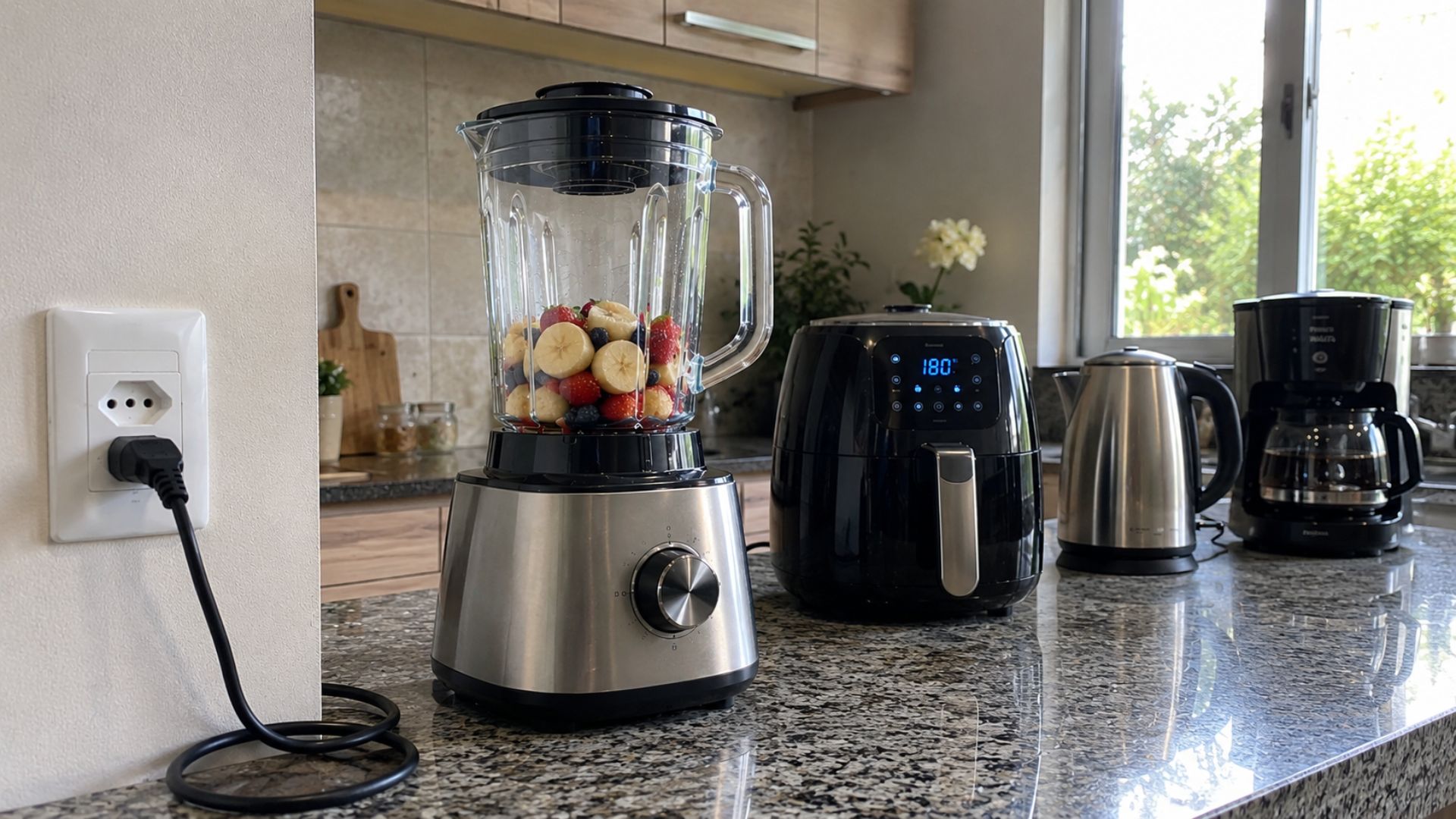
Invisible Induction Technology Enables Wireless Power for Blenders, Coffee Makers, and Air Fryers, Reducing Countertop Cables




This was essential, as heavy rains washed away the original traces of the site just a few days later. The material was taken to the British Museum, where conservators carefully excavated the content.
Largest Viking Find in Over a Century
The British Museum officially announced the discovery in July 2007, classifying the collection as “the most important find of its kind in Britain in over 150 years.”
The Yorkshire Treasure, as it became known, contained 617 silver coins and 65 other items, including ornaments, ingots, and precious metals. The historical value of the collection was compared to the Cuerdale Treasure, found in 1840.
The objects were stored inside a richly decorated gold-plated silver vessel with vines, leaves, and animal figures.
Researchers believe the vessel was an ecclesiastical vase from northern France, possibly looted or received as tribute.
The vase was buried inside a lead chest, which helped preserve the pieces for over a thousand years.
A Portrait of the Viking World in Transition
Among the rarest items, there was a gold arm ring, perhaps of Irish origin, as well as fragments of cut silver used as currency.
The coins drew attention because they mix Christian, pagan, and Islamic symbols, revealing a period of religious transition.
This detail shows how recently Christianized Vikings lived alongside ancient beliefs and diverse cultural influences.
The coins date from the late 9th to early 10th century, helping to situate the moment of the burial.
Historians suggest that the treasure may have belonged to a wealthy Viking leader who lived during the turbulent period following the conquest of the Kingdom of Northumbria in 927 by Anglo-Saxon King Athelstan.
After his death in 939, the region briefly returned to Viking control until 954, when King Eric Bloodaxe was ousted and killed.
Impressive Trade Connections
The content of the treasure also surprised with the varied origins of the items. There were pieces from distant regions like Samarkand in present-day Uzbekistan, as well as fragments from North Africa, Afghanistan, Russia, Ireland, and Scandinavia.
This diversity illustrates the reach of Viking trade routes, connecting different parts of Europe and Asia.
Gareth Williams, curator of early medieval coins at the British Museum, studied the material and highlighted its global relevance.
For him, the collection demonstrates how the Vikings were integrated into an international exchange network, far beyond the traditional image of warriors and raiders.
Assessment, Ownership, and Public Display of the Treasure
In July 2007, a court hearing in Harrogate officially classified the find as “treasure” under the Treasure Act of 1996.
Under British law, objects of this kind must be offered to museums, with the value divided between the discoverers and the landowner.
The Independent Treasure Valuation Committee assessed the collection at £1,082,000, approximately 6.9 million reais.
The amount was funded by cultural institutions such as the York Museums Trust, the British Museum, the National Heritage Memorial Fund, and The Art Fund.
Journey Through Museums and Return to Yorkshire
The treasure was first displayed at the Yorkshire Museum in September 2009, just before the space closed for renovations.
In 2010, upon reopening the museum, it returned to the public during Yorkshire Day. In the following years, it traveled to cities like Copenhagen, Berlin, and London, participating in exhibitions about the Viking world.
Between 2014 and 2015, it was part of the “Vikings” exhibition at the British Museum—the first major exhibition on the subject at the site in three decades.
Subsequently, it became part of the traveling exhibition “Viking: Rediscovering the Legend,” which visited museums and universities in various British cities, including Aberdeen and Nottingham.
More recently, between September 2024 and February 2025, the main cup was displayed in the “Silk Roads” exhibition at the British Museum.
In July 2025, the entire collection returned permanently to Yorkshire, where it became part of the permanent exhibition “Viking North,” open to the public at the Yorkshire Museum.
The Yorkshire Treasure: Symbol of a Globalized Past
The Yorkshire Treasure remains one of the most significant archaeological finds in the United Kingdom.
It reveals a period when trade and faith crossed borders, connecting peoples of Northern Europe to distant civilizations.
More than silver and gold, what emerges from the soil of Harrogate is the memory of an era when the world was already surprisingly globalized.
With information from Wikipedia.




-

1 person reacted to this.