Portuguese
  Spanish


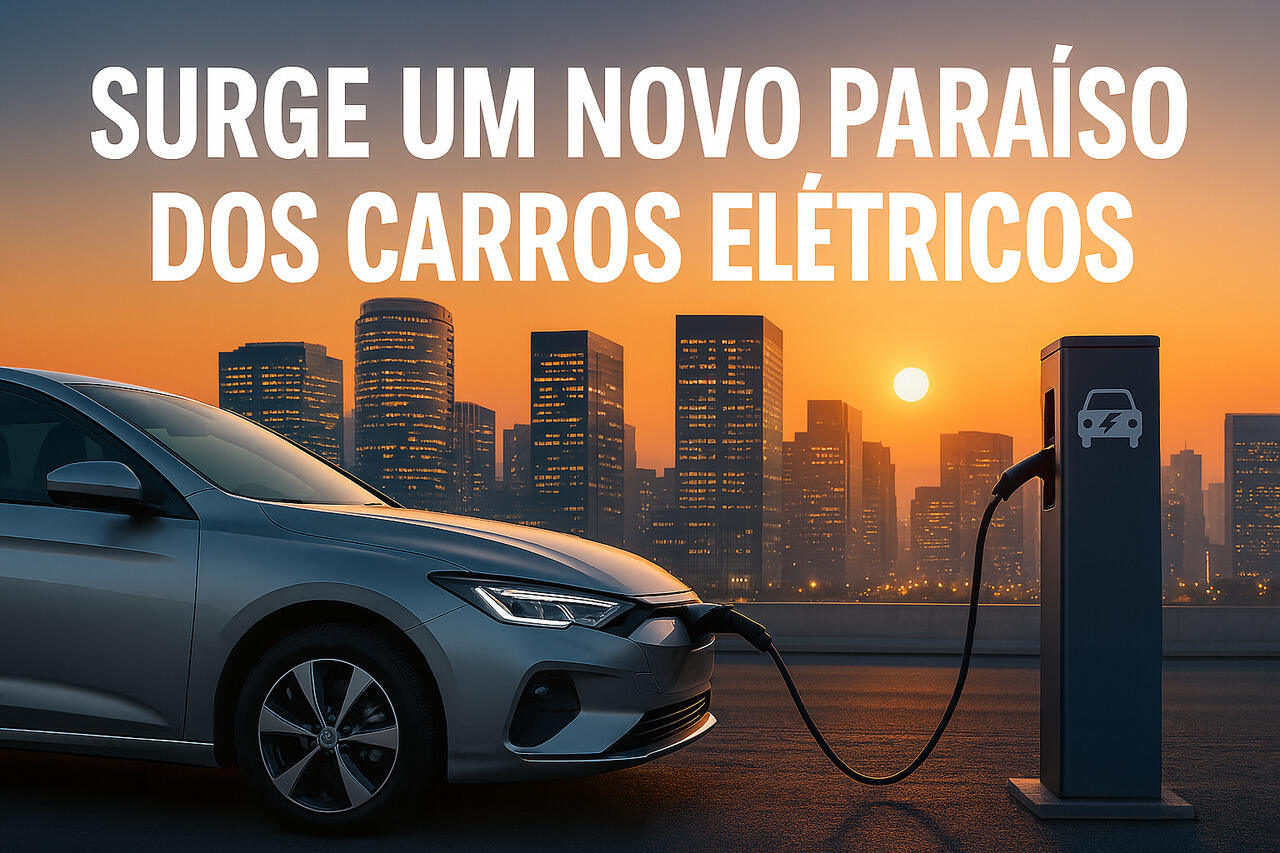


With Abundant Hydropower and Tax Cuts, Nepal Surpasses 76% of Electric Cars in 2024 Sales, Impressing the World
The Nepal surprised the world by reaching an important milestone in the energy transition. In 2024, 76% of new cars sold in the country were electric. This rate sharply contrasts with the global average, which is only 20%. The data, released by the New York Times, highlights a silent yet significant phenomenon.
Clean Energy and Tax Incentives Drive Change
The accelerated transformation began after a fuel crisis in 2015. Since then, the country has been heavily investing in renewable energy.
Today, Nepal has a stable and clean electrical grid, primarily based on hydropower.
-
Electric and Hybrid Cars Set to Transform Brazilian Streets: A New Era Begins

-
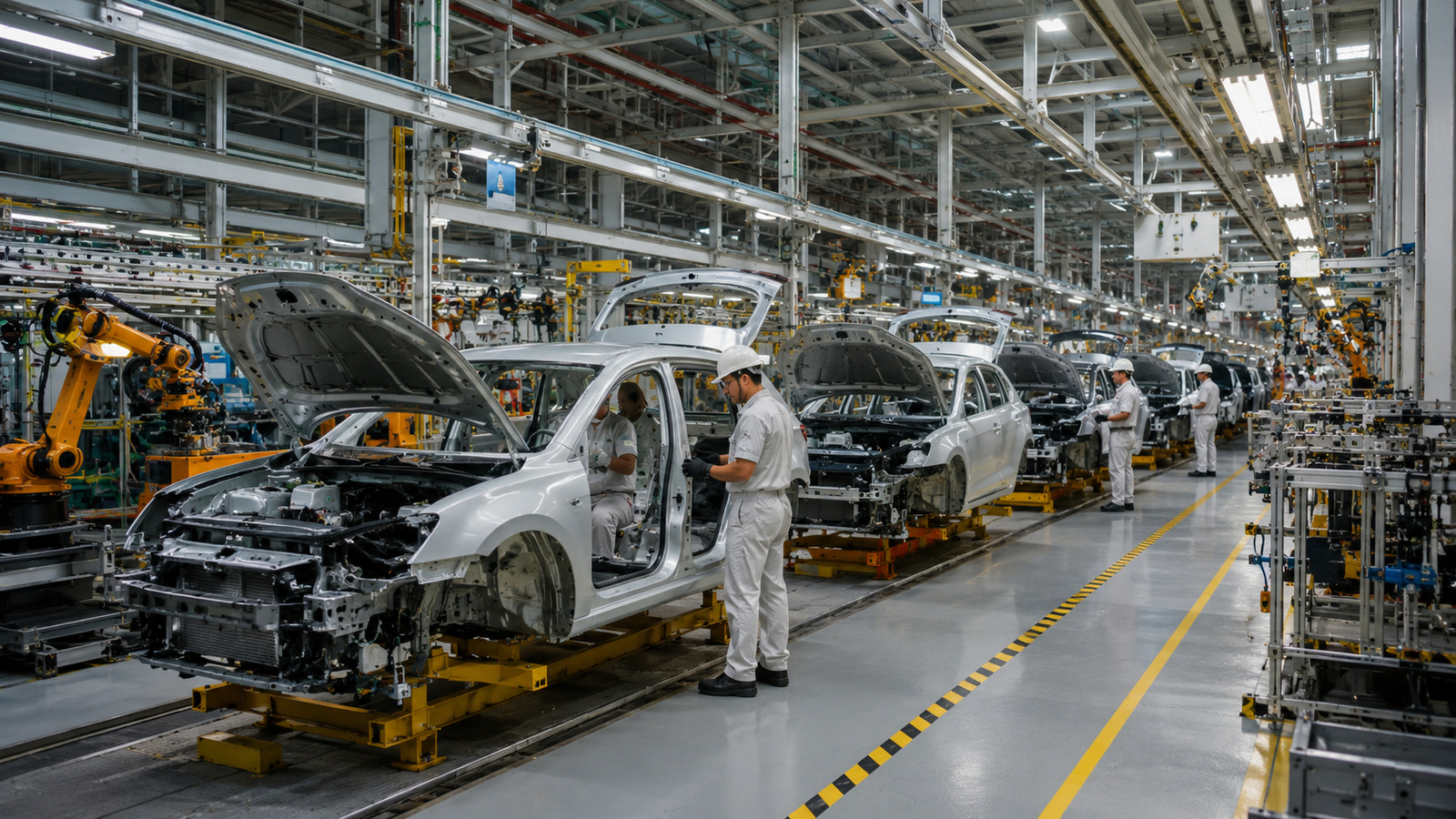
Chinese Giant Invests $1.3 Billion in Brazil to Produce 50,000 Cars Annually, Create Jobs, Develop Local Suppliers, and Manufacture Electric, Hybrid, and Combustion Models by 2027

-
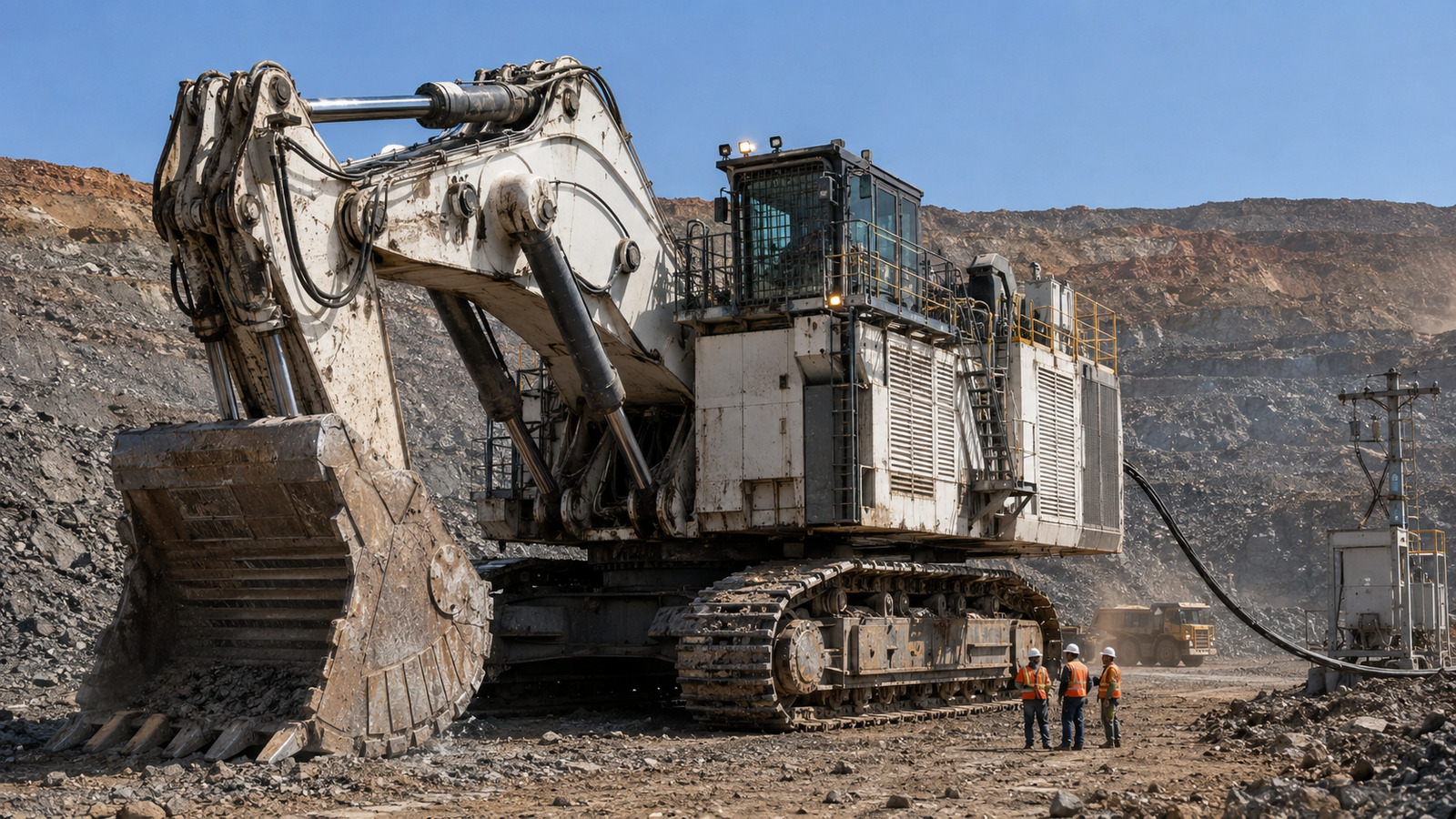
Unprecedented achievement in India: a colossal 650-ton, nearly 3,000 hp excavator is transformed into 100% electric, marking a new phase in heavy mining.
-
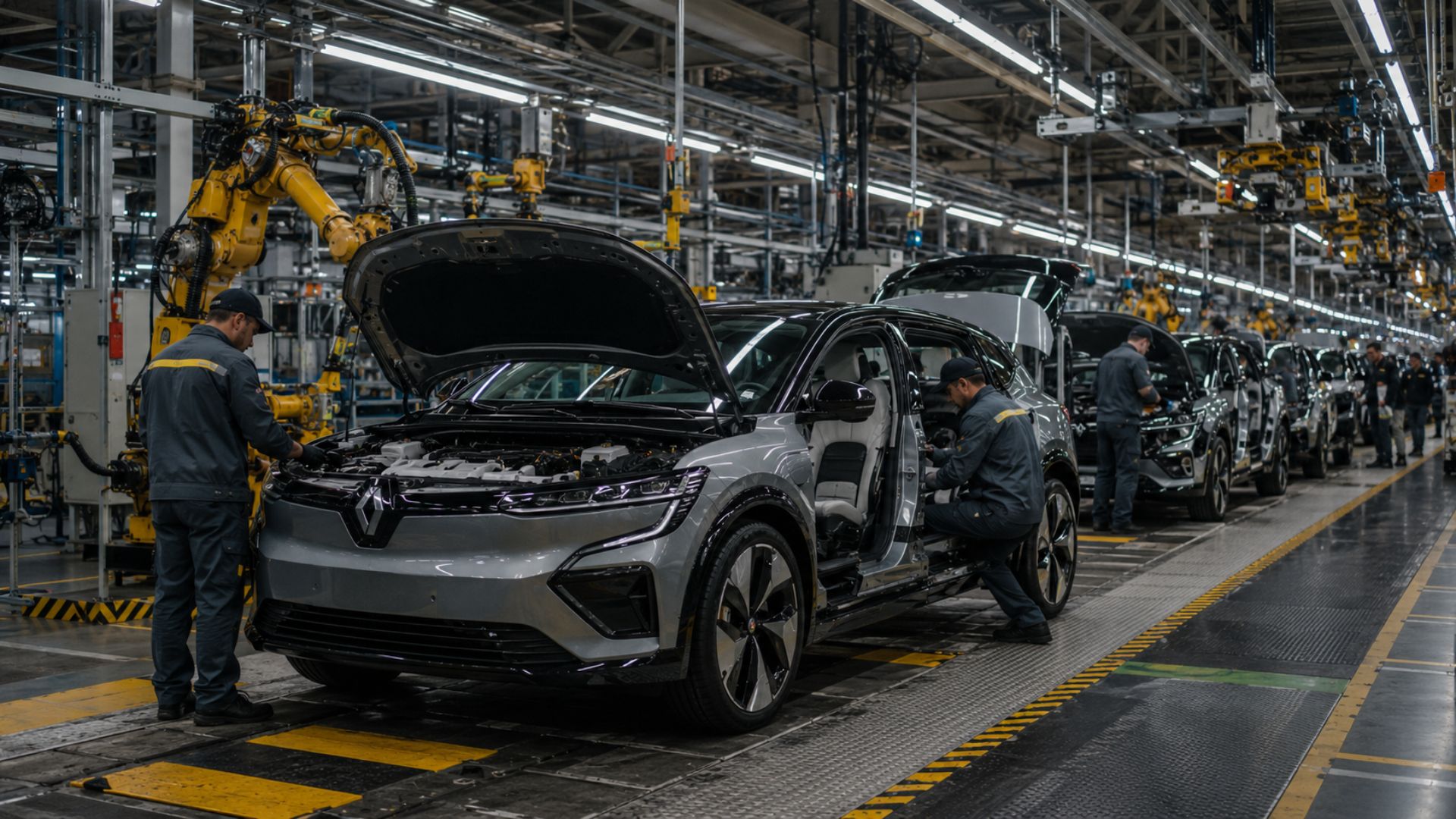
Frightened by the speed of Chinese manufacturers, Renault decided to mimic the pace, made the new electric Twingo in just 21 months, wants to repeat the feat with 36 models by 2030, and along the way, will cut up to 2,400 engineering positions.

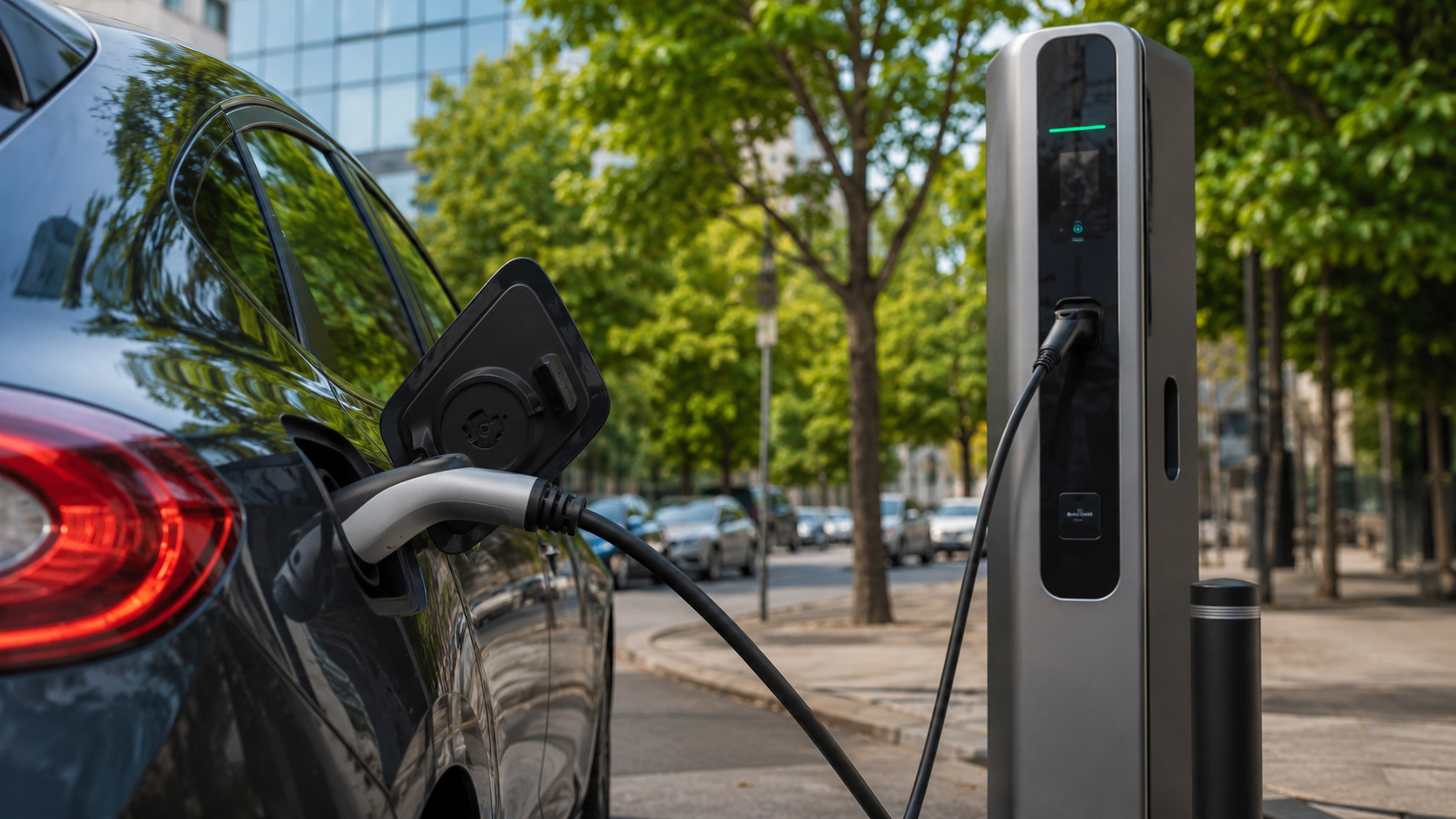
This means that charging an electric car can be up to 15 times cheaper than refueling a gasoline car. Additionally, the government has helped by reducing import taxes on electric vehicles.
The rates, which were previously as high as 180%, have dropped to 40% in some cases.
The result is directly seen in consumers’ wallets. An electric Hyundai, for example, costs less than its combustion counterpart.
This attracts consumers and encourages the replacement of old vehicles with new and sustainable models.
Chinese Cars Dominate the Market
Another important factor is the entry of Chinese brands. Manufacturers like BYD stand out for offering affordable cars.
The distribution of these vehicles is handled by local dealerships, such as Yamuna Shrestha’s, which plans to sell 4,000 units in 2025.
This movement has also generated new jobs and business opportunities in the automotive sector.
Infrastructure and Public Transport Still Pose Challenges
Despite the progress, Nepal still faces obstacles. The charging infrastructure for electric cars remains limited. Furthermore, national policy suffers from instability.
And, although electric cars are growing, most public transport still relies on fossil fuels.
The state operator Sajha has only 41 electric buses. To adequately serve Kathmandu, at least 800 would be needed.
Even with these limitations, Nepal shows that the combination of clean energy, public policies, and affordable vehicles can accelerate electric mobility.
With information from Olhar Digital.