Portuguese
  Spanish




Silent Ecological Restoration Transforms Borders into Natural Barriers Against Military Advancements and Redesigns War Strategies in Europe
A new military containment strategy is gaining traction in Eastern Europe, attracting the attention of defense experts.
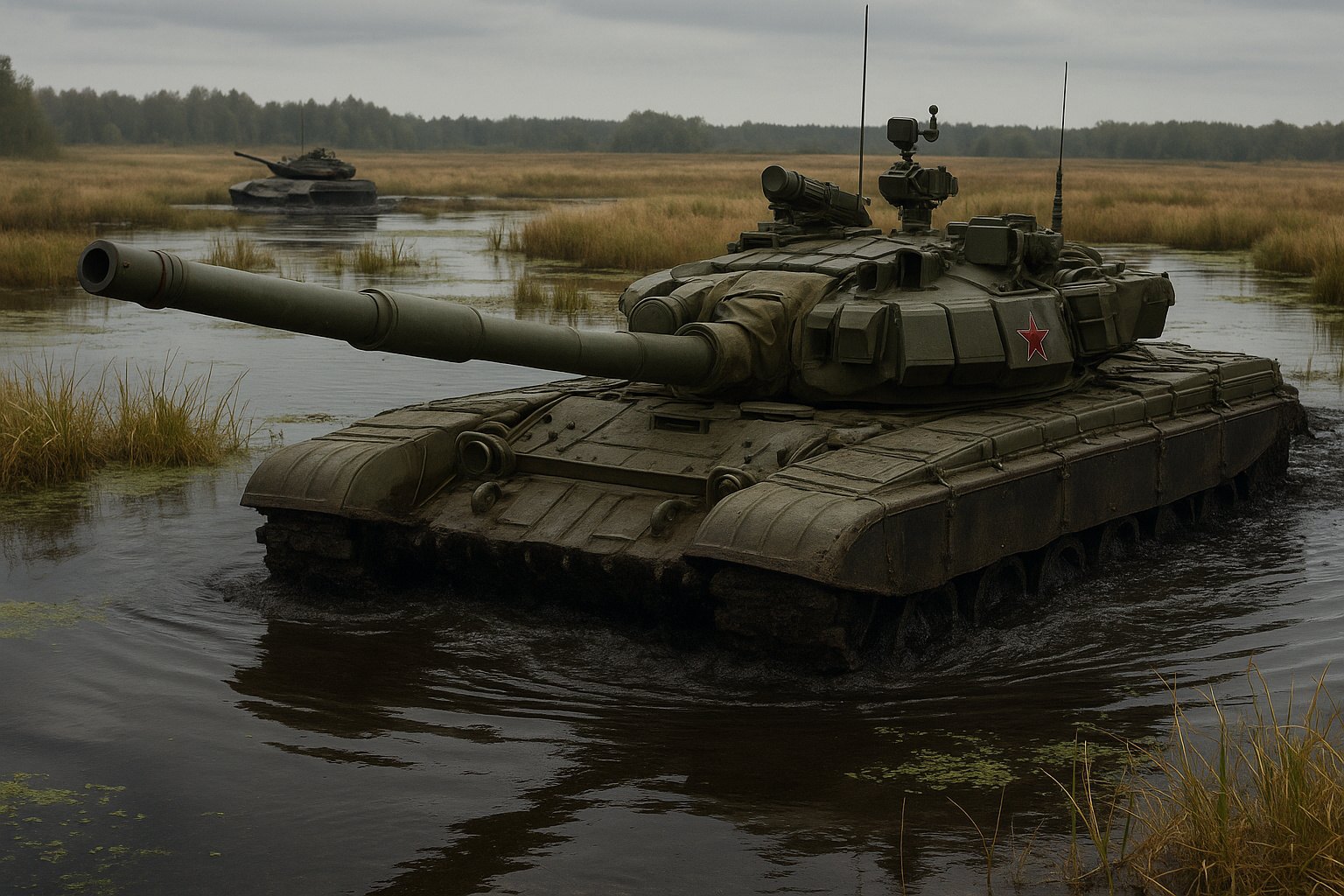
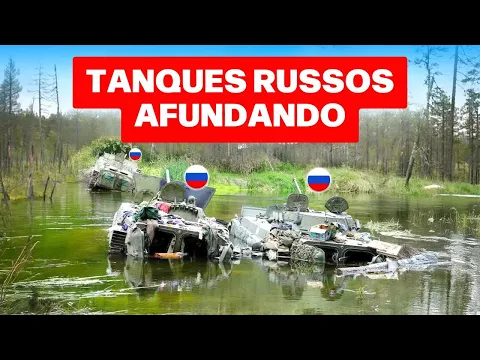
Finland and Poland have been utilizing restored wetlands as natural traps for Russian tanks, combining environmental engineering and national defense.
The technique, although discreet, has been treated as an essential part of both countries’ preparations for a possible armed confrontation, especially following the recent events involving the war in Ukraine.
According to the European Institute of Defense and Security (IEDS), reports published in July 2024 confirm the effectiveness of the tactic in field tests conducted in areas near the border with Belarus.
-
European Parliament Approves Digital Euro, Aiming to Challenge Visa and Mastercard’s Dominance and Transform Payments Across Europe by 2029

-
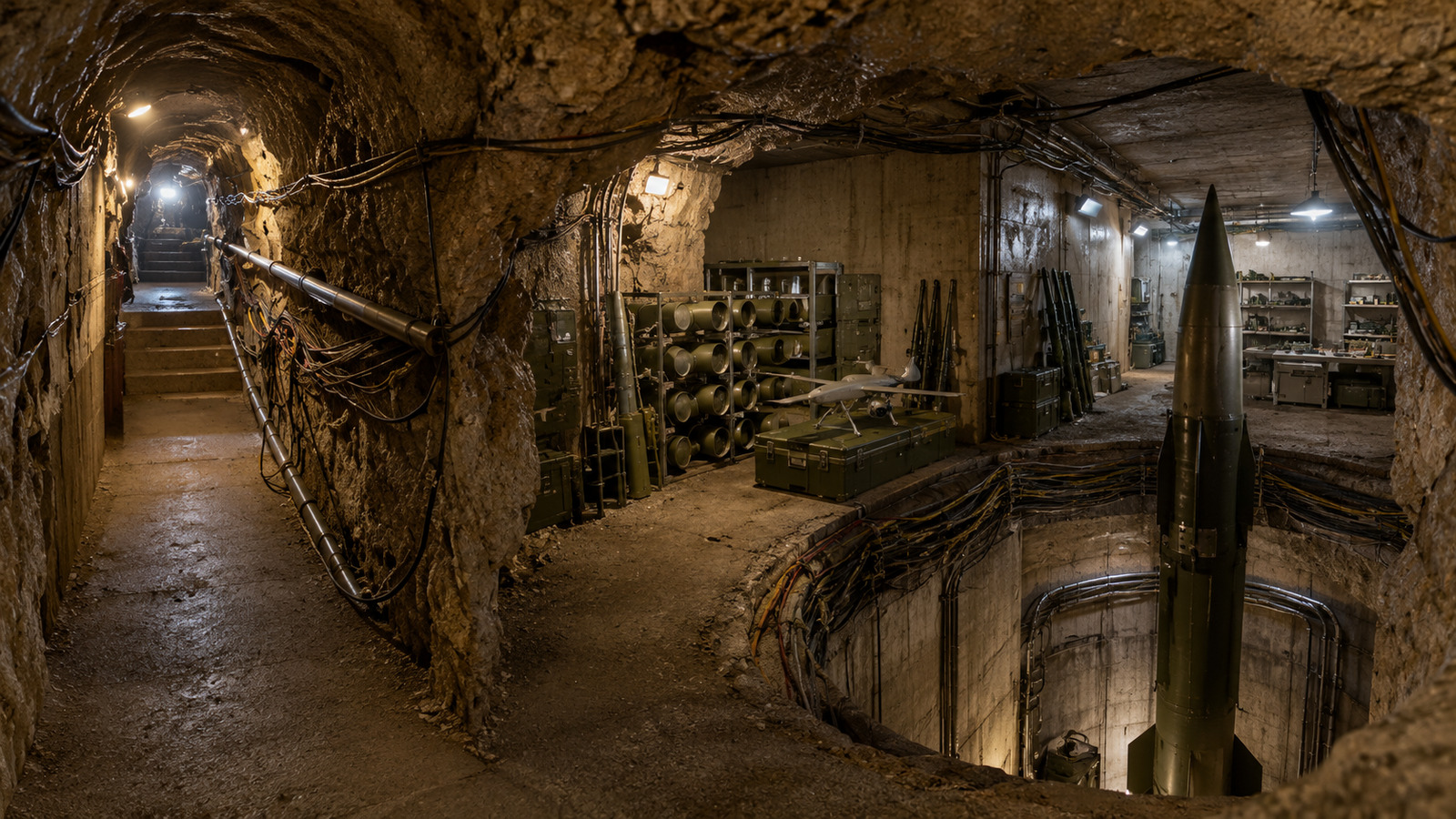
Israel finds Hezbollah militarized tunnel over 200 meters long under village, with 4 missile launch shafts, 12 chambers, anti-tank missiles, drones, and weapons depots at a depth of 25 meters.

-
Ukraine launches largest drone attack on Moscow since 2022, Russia claims to have intercepted nearly 200 aircraft near the capital, Kapotnya refinery targeted again, and offensive reignites alert about war reaching the Russian energy heart just a few kilometers from the Kremlin.

-
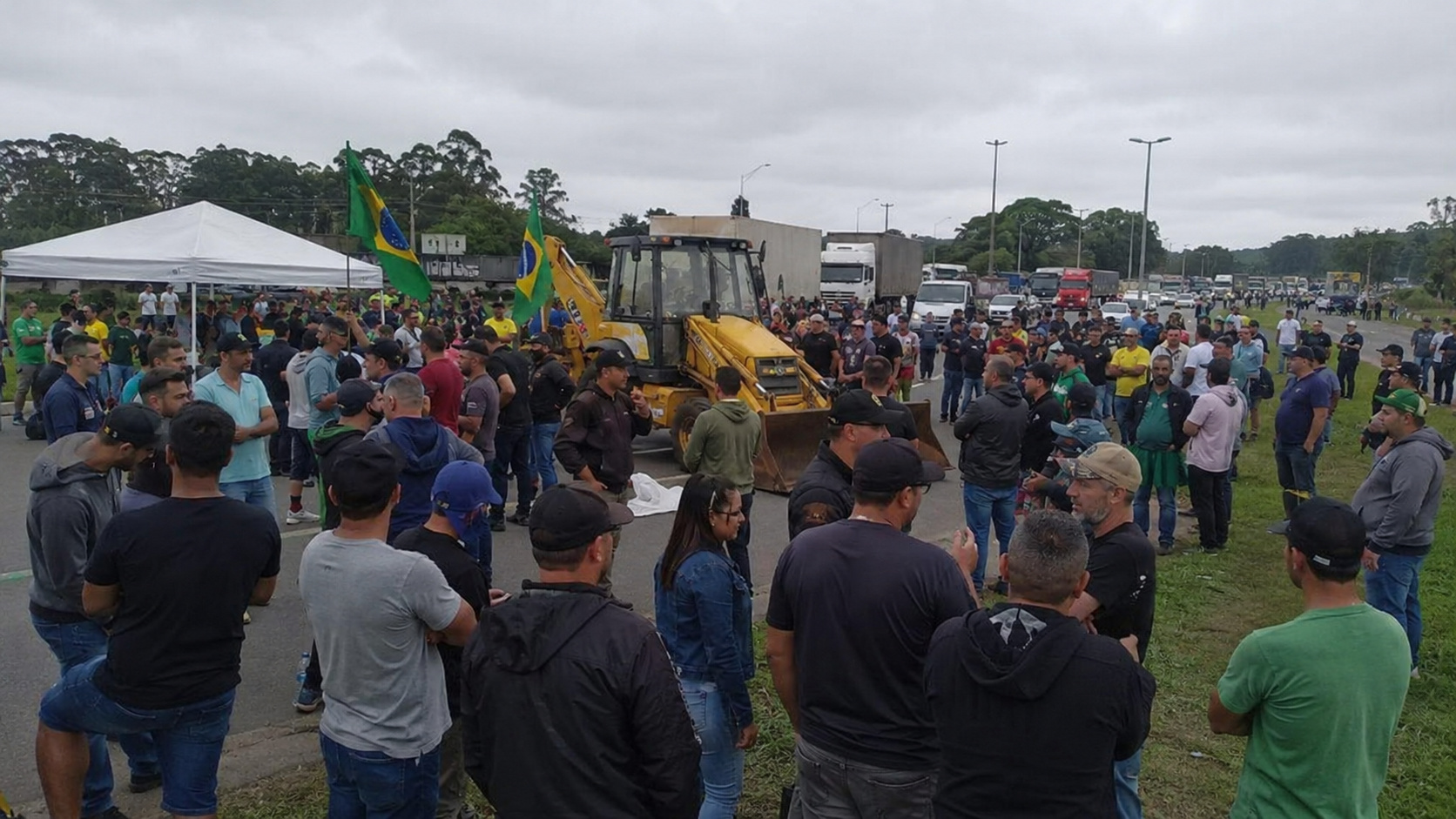
Truck drivers, freight, and fines from 2022 take center stage in politics: Chamber approves MP with amnesty, mandatory tracking by CIOT, million-dollar penalties, and new minimum wage for those who spend more than 24 hours on the road.


Therefore, this approach combines sustainability, geopolitics, and military technology, potentially influencing the manner in which conflicts will be waged in Europe in the coming years.

Passive Defense Bets on Strategic Use of Territory
The decision to invest in restored wetlands arose after the Finnish accession to NATO, formalized in April 2023.
Since then, concerns about territorial defense have grown significantly.
Poland, in turn, has been strengthening its defensive structure since the onset of the war between Russia and Ukraine in February 2022.
For this reason, both countries identified degraded wetland areas as a natural resource with high military potential.
According to the European Union Defense Agency, tests with tanks conducted between April and June 2024 showed that Russian armored vehicles, such as the T-90, easily get stuck in these areas.
The mobility of troops is compromised, providing strategic advantages to those who control the terrain.
Additionally, restored swamp regions function as physical and psychological barriers, complicating the planning of quick and silent attacks.
Studies Reveal Ecological and Military Efficiency
The positive impact of the strategy is also environmental.
According to the NGO Wetlands International, over 15,000 hectares of wetlands were recovered between January 2023 and July 2024 on the eastern border of Poland.
These areas return moisture to the soil, assist in carbon retention, and restore habitats for endangered species.
Moreover, they make the soil extremely unstable for armored vehicles, according to studies from the Finnish Army released in May 2024.
In joint operations with Poland, tanks sank during simulated exercises, demonstrating that the technique, although passive, can be lethal for unprepared invading forces.
The military use of this type of geography is not unprecedented.
During World War II, the Soviets already exploited artificial flooding and unstable soils as a defense against Nazi advancements.
Therefore, the strategy has a historical basis, although it is now applied with more modern resources and environmental objectives.
Strategy Requires Technical Knowledge and Planning
Although it seems simple, the restoration process requires investment, planning, and international cooperation.
Experts from the University of Helsinki warn that it is not enough to flood an area — it is essential to understand the hydrological behavior of the location.
The interventions are made based on environmental studies, soil mapping, and digital terrain modeling.
According to the Finnish Ministry of Defense, planning began as early as August 2022, following NATO alerts about risks of Russian military advances.
Poland began its own restoration efforts in January 2023, with resources from the European Union and technical support from consultants in wetland ecosystems.
As a result, the initiative has a low cost compared to conventional anti-tank systems.
Furthermore, it avoids collateral damage, as it does not rely on explosives or heavy weaponry.
Silent Geopolitics Redefines Natural Borders
The transformation of territory into a silent weapon redefines the role of nature in modern conflicts.
More than an ecological strategy, restored wetlands reveal a shift in mindset in the field of international security.
For Anna Lehtinen, a specialist at the Helsinki Institute for Strategic Studies, this stance reduces dependence on offensive actions and prioritizes defensive deterrence.
The strategy also lowers logistical costs of maintaining the border, making it a stable, long-lasting, and difficult-to-neutralize tool.
Consequently, Finland and Poland show that knowledge of the terrain, combined with environmental science, can be decisive in protecting sovereignty.
The expectation is that other countries in the region will study the implementation of similar measures, especially in light of the growing instability in Eastern Europe.
Would you believe that nature, if well used, can be more effective than tanks and missiles when it comes to protecting a territory?