






 Portuguese
  Spanish




Roberto Castello Branco Reported on the New Project in Búzios and on Petrobras’ Divestment Program
That the Búzios field, in the Santos Basin, has been a key player in the Brazilian oil exploration market is already known. This week, the field set a production record. Today, once again, it is in the spotlight! The second phase of the asset is expected for 2024, according to Roberto Castello Branco, president of Petrobras.
See More News:
- Good News for Macaé! Trident Energy Completes Purchase of 10 Oil Fields from Petrobras in the Campos Basin
- IBP BOARD APPROVES NEW STRATEGIC PLAN FOR THE O&G INDUSTRY
- How Major Oil Companies Are Entering the Renewable Energy Market
Castello Branco reported that for the second phase, floating production units with higher production capacity will be used, exceeding those used in the first phase of the field. In numbers, the platforms used in the first phase had a production capacity of 150,000 barrels of oil per day. For the second phase, production units with a capacity of up to 225,000 barrels per day will be installed.
-
OPEC+ Boosts Oil Supply by 188,000 Barrels per Day in July 2026, Leading to Price Drop from $112 to $89 per Barrel in Under Two Months

-
TotalEnergies Signs 20-Year Deal to Purchase 2 Million Tons of LNG from Alaska, Boosting Project Viability
-
Turkey Deploys Çağrı Bey Drilling Ship to Explore New Oil Frontier Off Somalia’s Coast
-
Golden Pass LNG Ships First Liquefied Gas Cargo from the U.S., Completing $10 Billion QatarEnergy and ExxonMobil Investment


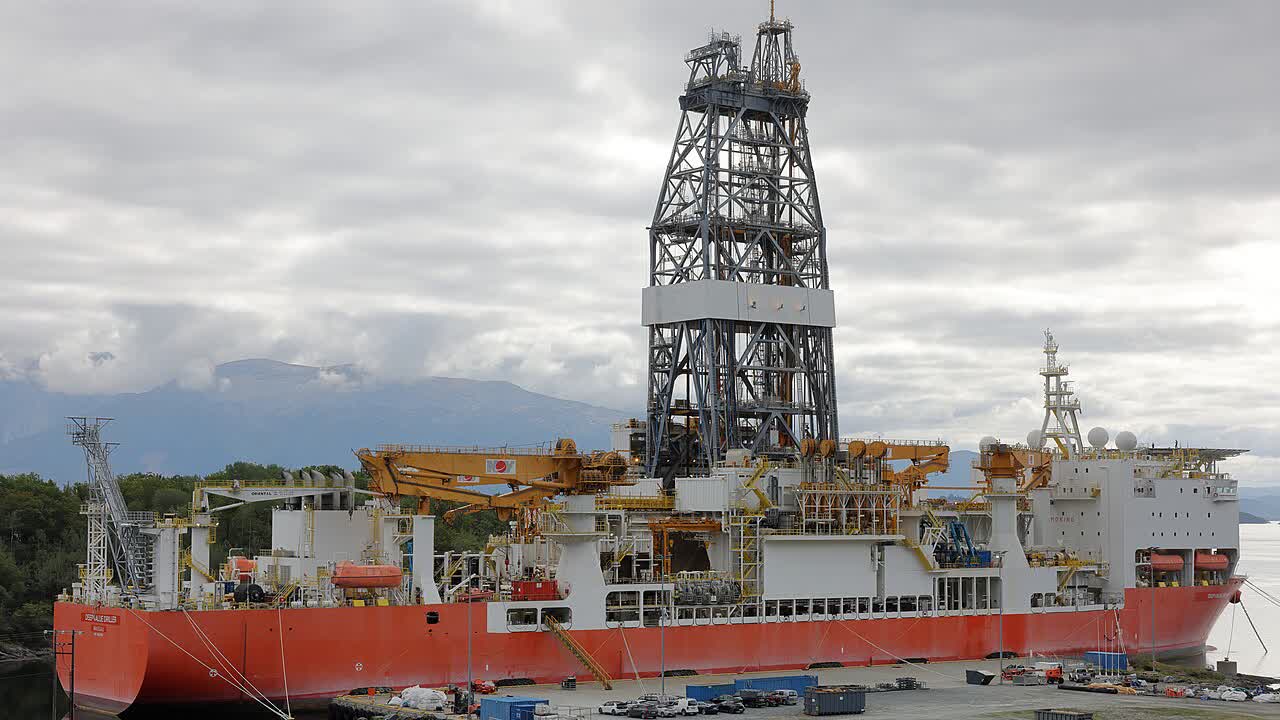

“We are working on the development project for production [of phase 2]. We expect to start it in 2024,” said the president. “It is a larger prospect than phase 1, with a more substantial volume of reserves. It will require the use of more platforms, with greater capacity,” Castello Branco informed.
The president of Petrobras also addressed another important issue: the company’s divestments. According to him, the sale of assets aims at “the benefit of the company’s shareholders and Brazil.” He also stated, through a comparison, that the financial returns of a refinery “tend to be normally lower than exploration and production.”
Regarding refinery sales, the scenario imposed by the coronavirus has interrupted the process of visits by potential buyers, but the divestment program remains active. The sale of Rlam, in Bahia, has entered its final phase and the other deals have been postponed.








