Portuguese
  Spanish


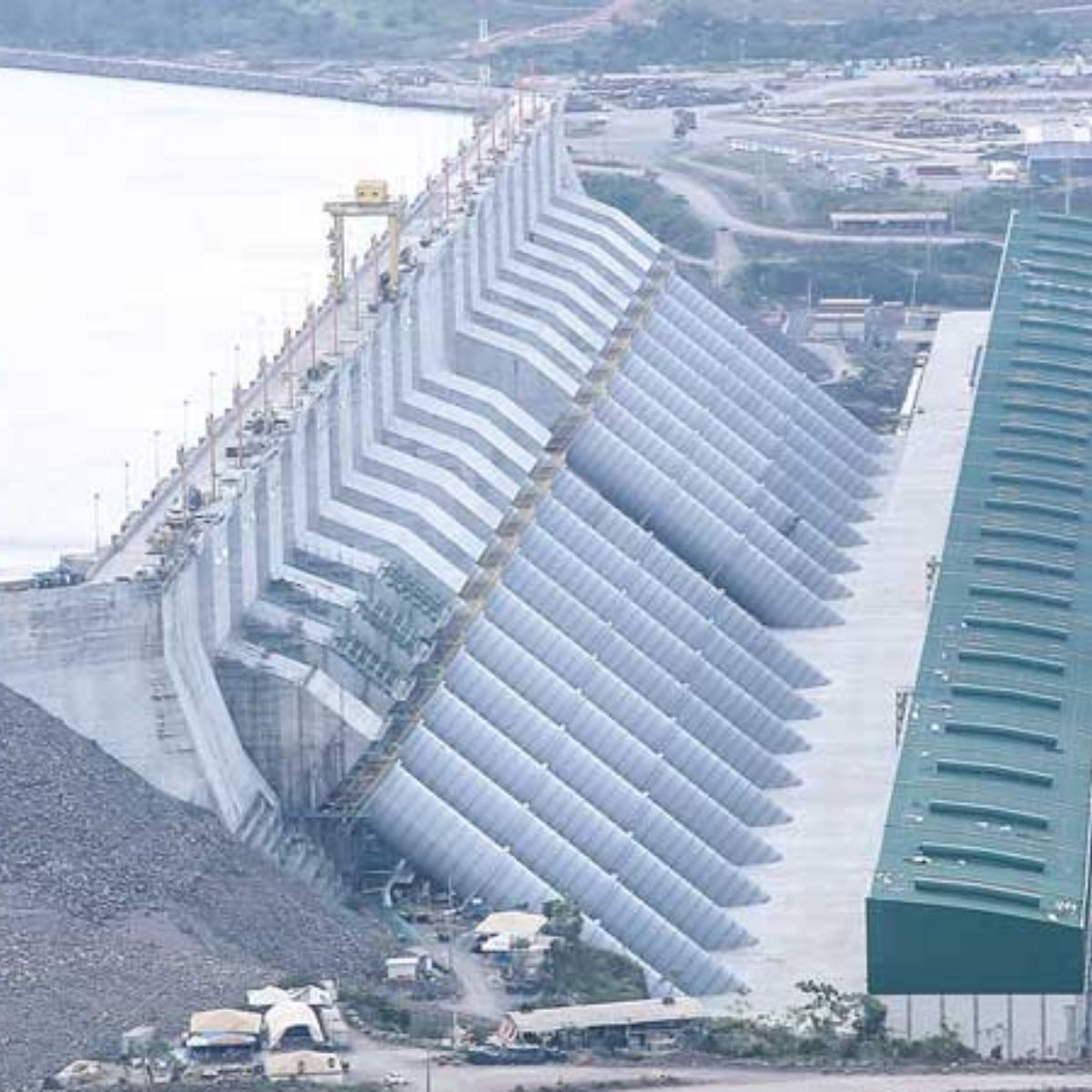


The Belo Monte hydroelectric plant operates with an expired license since 2021 and an average generation of 31% while Norte Energia twice failed to comply with Ibama’s order to revise the hydrograph of the Volta Grande do Xingu, where indigenous communities report a 70% drop in fish protein and dry spawning seasons.
Almost ten years after the first turbine was activated in 2016, the Belo Monte hydroelectric plant is once again at the center of an impasse that exposes the contradictions of the largest energy infrastructure project in Brazil’s recent history. Built on the Xingu River in Pará with the capacity to supply up to 10% of the national territory during flood periods, the hydroelectric plant currently operates with an environmental license expired since 2021 and is the target of a legal dispute between the concessionaire Norte Energia and Ibama over the hydrograph, a plan that defines how much of the Xingu’s water goes to the turbines and how much flows down its natural course towards the Volta Grande, a 130-kilometer stretch where traditional communities live and denounce the collapse of fishing. The installed capacity of 11,233 megawatts makes the hydroelectric plant the third largest in the world, but the effective average generation is only 31% of that capacity according to the National Electric System Operator (ONS), a difference that reflects the run-of-river model which directly depends on the Xingu’s rainfall regime.
On the other side of the river, the reality is told in fish that have disappeared and families who have lost their livelihood. According to MATI (Independent Territorial Environmental Monitoring), a group formed by indigenous people, riverside dwellers, UFPA, USP, and the Amazon Environmental Research Institute, there was a 70% reduction in fish protein consumption among indigenous peoples of the Volta Grande do Xingu after the hydroelectric plant began operations. “In fact, our river is, like, paralyzed. Its current is gone. Very few fish. Very little left for us,” reported Leonardo, a riverside dweller from Volta Grande, in an interview with DW Brazil’s report on the effects of the plant, a testimony that illustrates what traditional communities have experienced since the dam began diverting between 70% and 80% of the waters that once fed the natural stretch of the river.
What is the hydrograph and why did it become the center of the dispute over the hydroelectric plant
The hydrograph is the document that translates into numbers the tension between generating energy and preserving the river. It defines how much of the Xingu’s water the hydroelectric plant can divert to its turbines and how much needs to continue flowing through the natural course towards the Volta Grande, a balance that simultaneously affects electricity generation and the survival of ecosystems and communities that depend on the river for fishing, planting, and living. The current plan was defined during the original environmental licensing, and Norte Energia calls it a “consensus hydrograph,” terminology that indigenous people and riverside dwellers dispute, arguing that there was never real consensus on how much water would be enough to keep the river alive.
-
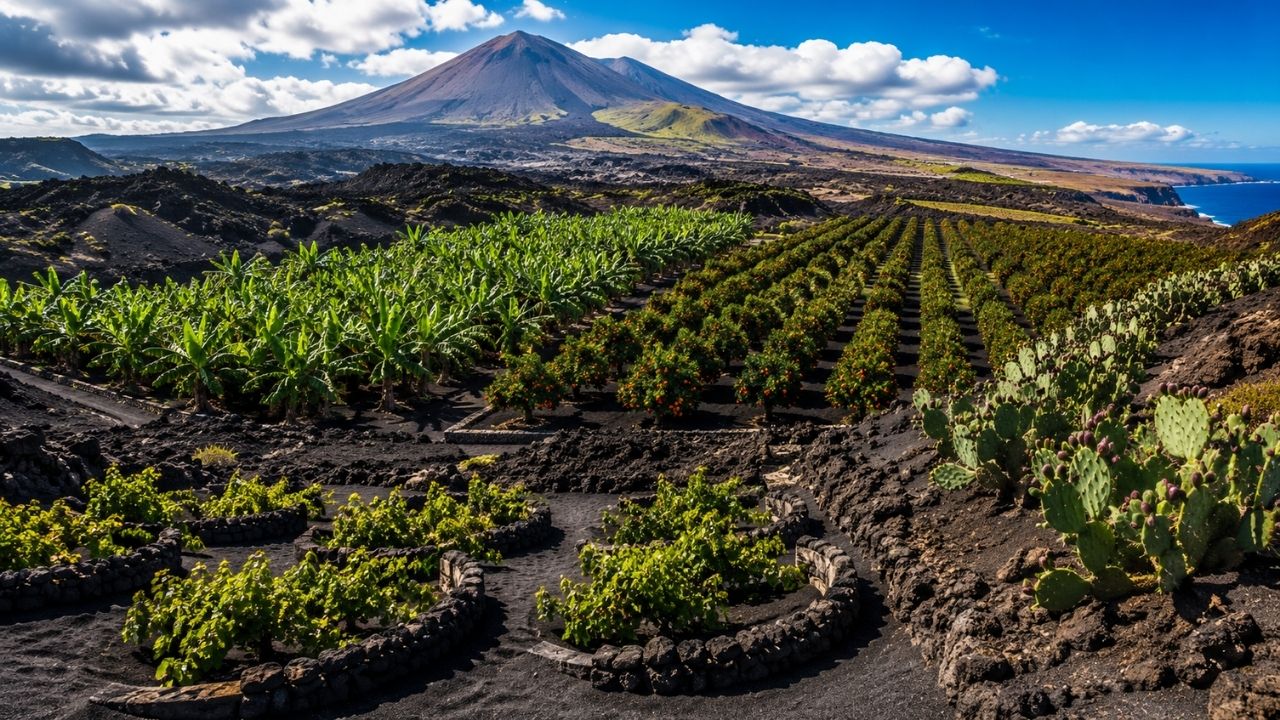
Volcanic Soils from Destructive Eruptions Turn into Million-Dollar Crops: Ashes Nourish Grapes in Lanzarote, Bananas in the Canary Islands, Blood Oranges on Mount Etna, and Cacti in Mexico, Showcasing How Lava-Formed Lands Sustain Rare Harvests in Seemingly Barren Regions

-
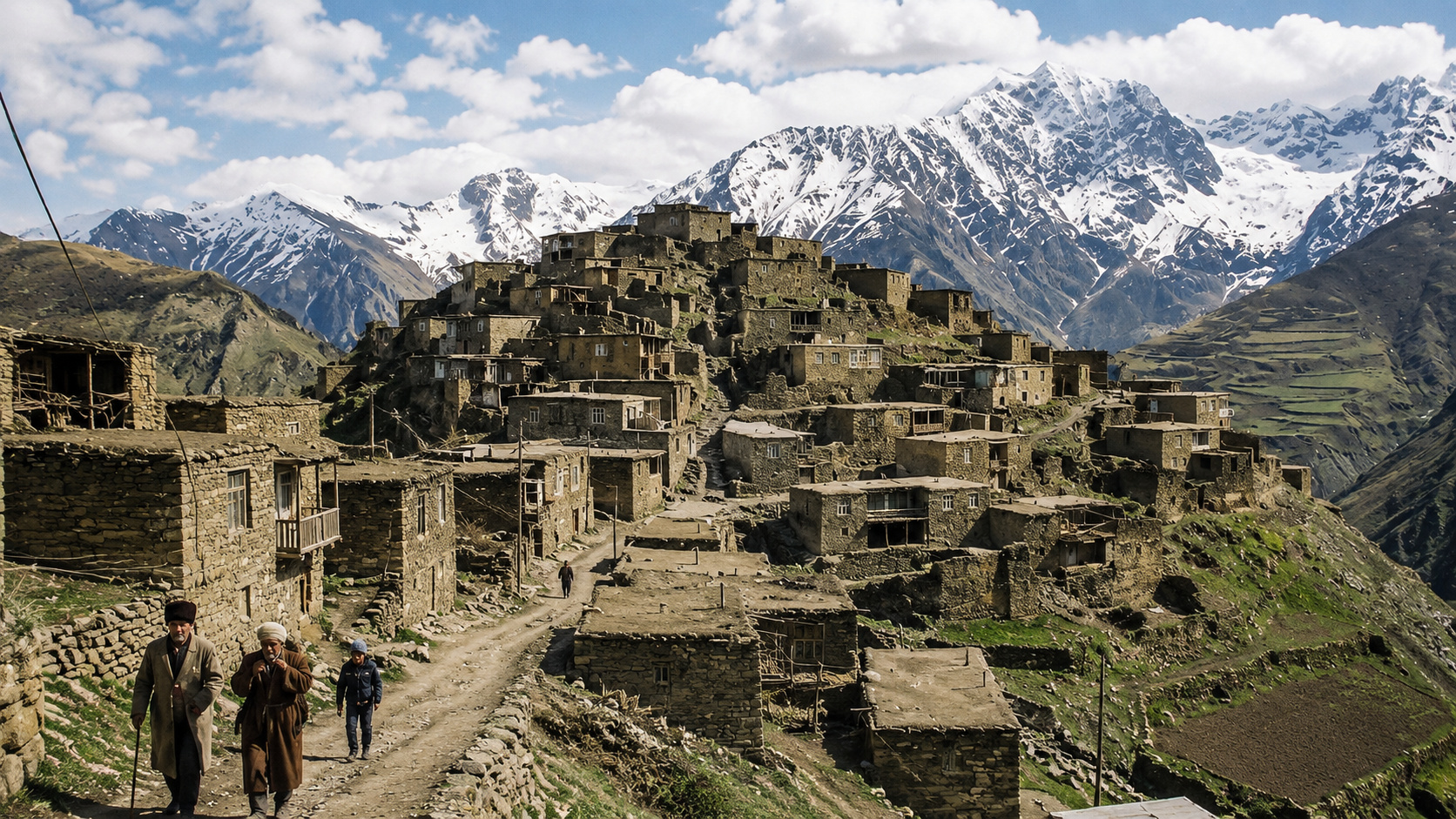
In the Caucasus Mountains, a Community Preserves a Language So Rare Few Outsiders Can Understand It

-
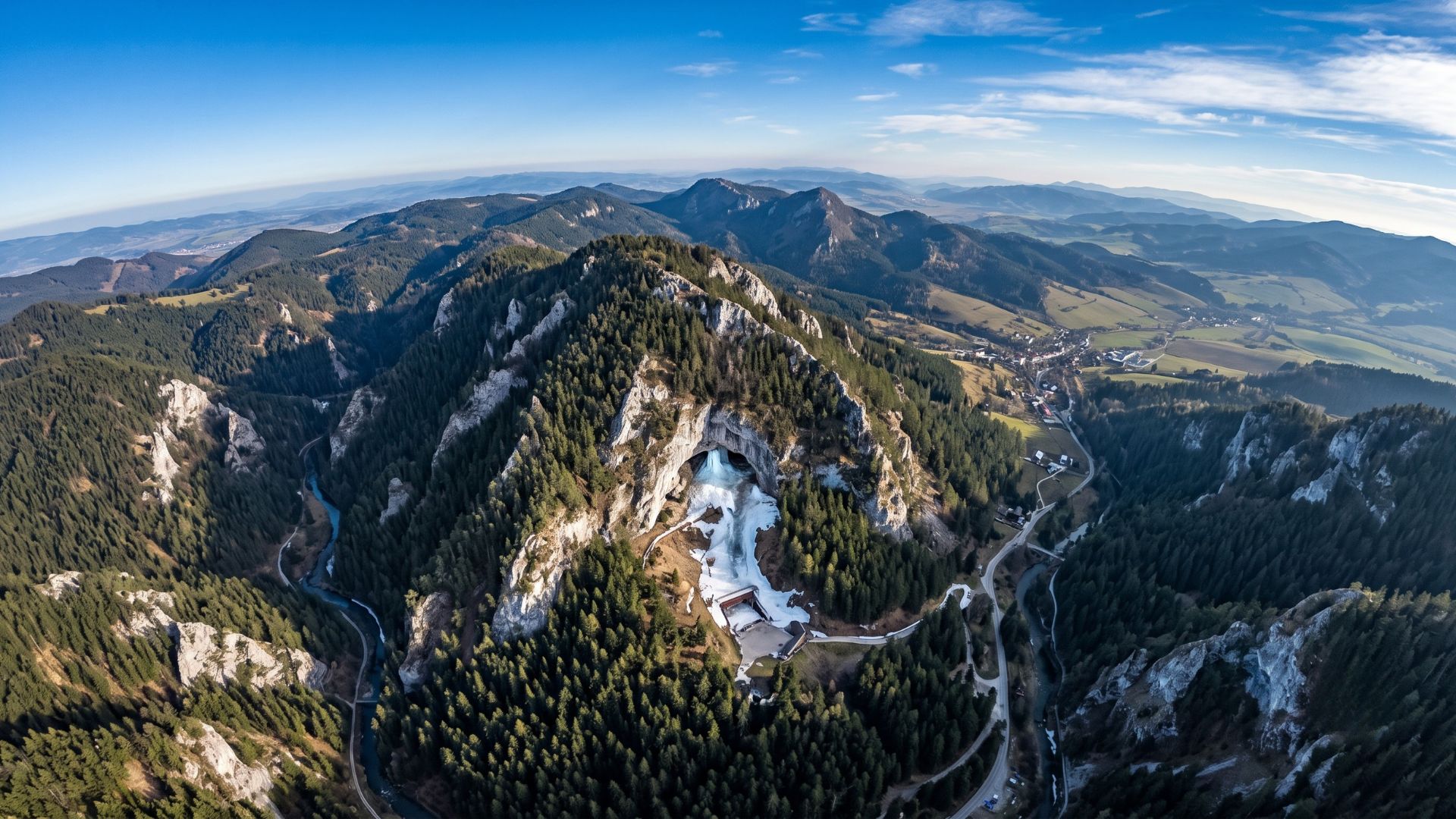
Slovakia’s Ice Cave Holds Over 110,000 m³ of Frozen Wonders, Boasts Walls Up to 27 Meters Thick, and Was Among the First Electrified Caves Globally

-
Street Cleaner Accidentally Receives $200,000 Transfer, Returns Unexpected Fortune to Rightful Owner
The dispute over the hydroelectric plant’s hydrograph escalated to court in 2026. In August 2025, Ibama’s licensing board recommended for the first time the revision of the flow plan, and in September, the agency’s presidency accepted the recommendation, setting a four-month deadline for Norte Energia to present a new cycle of hydrographs. The hydroelectric plant’s concessionaire missed the first deadline in January 2026 and the second in April, when it filed a lawsuit in Federal Court asking that Ibama be prevented from demanding the revision, arguing that its own data demonstrates that the environmental impacts “are within expectations” and that the hydrograph has already been evaluated 14 times throughout the licensing process.
What communities and Ibama say about the impacts of the hydroelectric plant on the Xingu
Ibama’s technical reports and community complaints paint a picture of progressive deterioration of the Volta Grande after the hydroelectric plant began operations. A report by Agência Pública found in February 2025 that, of the seven spawning grounds visited in the Volta Grande, none had enough water for fish reproduction and two were completely dry, with a recorded flow of 5,579 cubic meters per second against a historical average of 13,544 cubic meters for the same period. The list of disappearing species reported by residents includes pacu de seringa, pacu branco, cadete, piau, caranha, surubim, fidalgo, and acari, fish that for generations formed the dietary and economic basis of the Volta Grande communities.
In addition to fishing, the construction of the hydroelectric plant caused displacement that remains unresolved a decade later. Norte Energia resettled 3,850 families during the construction, but at least 322 riverside families are still seeking to return to the riverbanks, arguing that they were removed to neighborhoods far from the water where they cannot maintain the way of life they had before the hydroelectric plant. In a dispatch from September 2025, Ibama’s presidency recorded that the current hydrograph “does not guarantee the maintenance of the ecosystems and ways of life” of the Volta Grande, an institutional position that underpins the demand for revision that Norte Energia is judicially contesting.
What Norte Energia says about the impacts of the Belo Monte hydroelectric plant


The hydroelectric plant concessionaire maintains that the environmental impacts are within the parameters foreseen in the licensing. In an official statement and in declarations reproduced by Agência Pública and DW Brasil, Norte Energia states that “all piracemas and the entire Volta Grande do Xingu system remain functional and resilient” and that “there is no ecological rupture,” only “maintenance of the natural conditions of the Volta Grande do Xingu.” The company also highlights investments in urban infrastructure in Altamira, including a sewage treatment system, schools, and new neighborhoods built for families resettled by the hydroelectric plant.
Norte Energia proposed to Ibama in April 2026 the creation of a “joint articulation” between the company, the Ministry of Environment, the Ministry of Mines and Energy, Ibama, and the Energy Research Company (EPE) to discuss the topic. The hydroelectric concessionaire’s argument is that the environmental impact data presented by Ibama contains errors and that the flow scheme was scrutinized 14 times throughout the licensing process with the approval of multiple governmental bodies, a position echoed by the Ministry of Mines and Energy, where sectors are trying to expand ministerial influence over the hydrogram in institutional conflict with Ibama. The internal dispute within the federal government between the MME (concerned with energy generation) and the MMA (with Ibama at the forefront of environmental protection) is a dimension that makes the hydroelectric plant case larger than the relationship between the company and the regulator.
Why the Belo Monte hydroelectric plant matters for Brazil’s energy matrix
The hydroelectric plant’s relevance for national energy security is the factor that complicates any decision about the hydrogram. During periods of high water in the Xingu in the first semester, Belo Monte is the plant that generates the most energy in Brazil and supplies up to 10% of national consumption, a production that alleviates dependence on natural gas, coal, and fuel oil thermal plants that pollute more and cost more. In the 2021 water crisis, hydroelectric plants like Belo Monte were crucial to avoid blackouts, a practical demonstration that the hydro matrix remains irreplaceable in the short term even with the advancement of solar and wind energy.
The paradox is that Pará, the state that hosts the hydroelectric plant, pays one of the most expensive energy tariffs in Brazil. The energy generated by Belo Monte feeds the National Interconnected System and is distributed throughout the country, but the tariff charged to consumers in Pará reflects local distribution costs, technical losses, and a tariff history that makes residents of Altamira, a city neighboring the hydroelectric plant, pay proportionally more for electricity than consumers in southeastern states who receive the same energy. The revision of the hydrogram that Ibama demands would, in theory, mean less water for the turbines and therefore less generation, an equation that worries the electricity sector and fuels the resistance of Norte Energia and the Ministry of Mines and Energy to the change.
What the future of Belo Monte reveals about the limits of hydroelectric energy in Brazil
The hydroelectric plant’s environmental operating license expired in 2021 and has been under analysis by Ibama for almost four years, a regulatory situation that keeps the plant operating while awaiting a final decision. The outcome of the hydrogram dispute could define not only the future of Belo Monte but also the tone of licensing for new energy ventures in the Amazon, because the decision on how much water a river needs to survive with intact communities and ecosystems is a precedent that will apply to any future project in the Amazon basin. The hydroelectric plant is simultaneously a piece of energy security and a symbol of the environmental and social costs that Brazil accepted to pay to guarantee electricity.
The case of Belo Monte forces the country to answer a question that has no simple answer: is it possible to operate the world’s third-largest hydroelectric plant while keeping the river that feeds it alive? Norte Energia says yes, Ibama says no under current conditions, and the communities of Volta Grande say they have already paid the price for this answer with fish that disappeared, displaced families, and a river that lost its current. In the coming months, the Federal Justice, the government, and Brazilian society will have to decide how much Belo Monte’s energy is worth and how much the Xingu River costs.
And you, do you think it is possible to reconcile Belo Monte’s energy generation with the survival of the Xingu River? Leave your opinion in the comments.