Portuguese
  Spanish


Historical Partnership Predicts Technological Innovation and Direct Support for Small Brazilian Producers
Technology Corporation, a Chinese giant in the technology sector, signed a memorandum of understanding in Brasília on July 11 with the City Hall of Maricá and OZ.Earth.
Thus, the goal is to strategically strengthen family and peasant agriculture in Brazil. During the ceremony, representatives from the National Union of Cooperatives of Popular Land Reform of Brazil (Unicrab) and federal government officials also participated.
This presence reaffirms the importance of this joint action to modernize Brazilian agriculture.
-
Flower strips in Brazilian farms become pest control strategy, attracting predator insects and reducing the need for chemical pesticides.

-
Yara acquires Texas ammonia plant for $1.3 billion, boosting global fertilizer competition with 1.3 million tons annual capacity

-
At 35, Lawyer Leaves Corporate Career to Turn 1-Hectare Farm into Organic Supplier for Schools in Southern Brazil

-
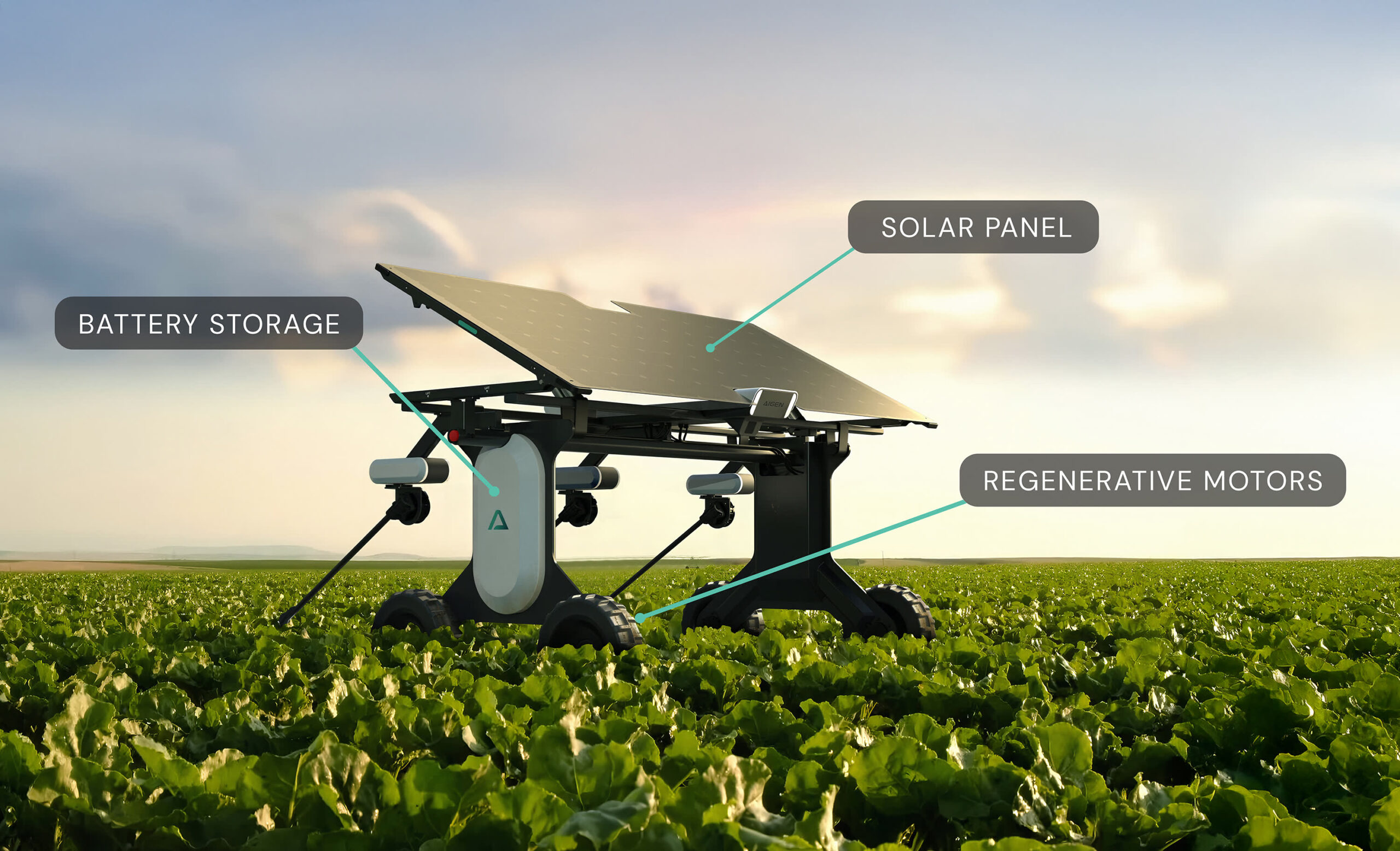
Solar-powered agricultural robots operate 24/7, remove weeds with 8mm precision, and aim to cut herbicide use without fuel consumption in the fields.


Technological Integration Generates New Opportunities
Therefore, the agreement aims to integrate traditional industrial production with the development of high-tech industry. In addition, it provides for the supply of more modern agricultural machinery for the peasantry.
The initiative also includes the implementation of digital platforms for agricultural management. According to Kelli Mafort, Executive Secretary of the General Secretariat of the Presidency, the partnership symbolizes the sovereignty of both countries.
This effort stands out in a context of climate change and the search for healthy food. Thus, the commitment to democratizing access to technologies appropriate to the reality of each family farmer is evident.
Maricá Gains Protagonism on the National Scene
As a result, the municipality of Maricá (RJ) emerges as the central beneficiary of the project. The memorandum, which will be executed throughout 2025, establishes the creation of intelligent agricultural machinery factories.
At the same time, it paves the way for the development of digital platforms that organize equipment management. For Ivana Melo, Secretary of Institutional Articulation of Maricá, this initiative becomes a historical milestone for Brazilian agriculture.
The project promotes the production of pesticide-free food. Thus, it ensures a better quality of life for producers and consumers.
Focus on Bioinputs and Renewable Energy Strengthens the Sector
In addition to modernizing machinery, the proposal broadens discussions on bioinputs and renewable energy sources. Diego Moreira, a representative of Unicrab, highlights that by the end of 2025, the results should be visible in settlements and rural cooperatives.
Since 2022, Brazil and China have been intensifying efforts to provide practical solutions to family farmers. In 2024, Chinese harvester and planter machines were tested at the Água Limpa Farm of the University of Brasília (UnB).
There were also tests in areas of the Landless Workers Movement (MST). Thus, the adaptability of the equipment became evident.
Cooperation Reinforces Commitment to Innovation in the Field
Finally, since 2022, the Northeast Consortium had already signed a memorandum with the International Institute of Agricultural Equipment Innovation of the Agricultural University of China. This partnership further strengthens this bilateral agenda.
Now, with the signing in July 2025, the expectation is that the exchange of technology will advance. Thus, Sinomach Digital Technology Corporation expands its experience.
Operations previously concentrated in Asia and Africa are set to transform the Brazilian landscape. In this way, family farmers will gain real access to advanced technologies throughout 2025.
There will also be local machinery factories and more efficient digital management. This agreement marks a new phase for Brazilian agriculture.