Portuguese
  Spanish


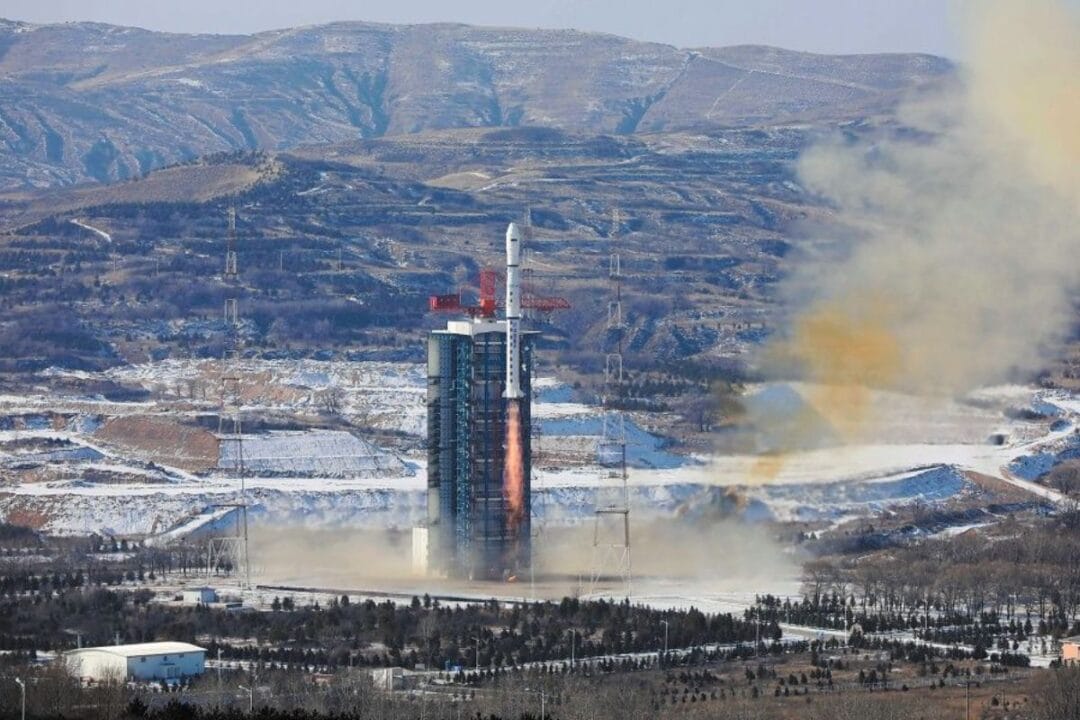

Egypt Assembles Satellite With Chinese Help and Brazil Advances in Environmental Monitoring With CBERS Technology
The China’s Space Partnerships are redefining the course of international cooperation. The Asian country has signed nearly 200 space agreements with over 50 countries, strengthening sectors such as satellites, lunar exploration, and environmental monitoring.
Egypt Achieves Its Own Satellite Assembly Capability
An emblematic example comes from Egypt, which in December 2023 launched the MISRSAT-2 with Chinese technology. The satellite was designed together by engineers from both countries and assembled in the Egyptian Space City, a complex funded with technical and financial assistance from China.
This structure has made Egypt the first African country with full satellite assembly and testing capacity, representing a strategic leap for the entire African continent.
-
Brazilian Homebuyers Still Fall for Illegal “Drawer Contracts,” Risking Foreclosure and Long Legal Battles Without Deeds.

-
World’s Largest Pencil Factory, Producing 2 Billion Annually, Operates in a Brazilian University Town with Its Own Sustainable Forest

-
World’s Largest Banknote Printer is a British Private Company Producing Currency for Over 69 Nations
-
Europe’s Largest Hydrogen Truck Fleet Begins Operation with 125 Vehicles Emitting Only Water Vapor




The satellite already provides high-resolution images that assist:
- the urban planning of Cairo and other cities;
- the monitoring of crops and water management in the Nile Valley;
- the development of strategic infrastructure, aligned with the country’s Vision 2030.
Brazil Benefits From CBERS Technology

In Brazil, the long Sino-Brazilian cooperation in the CBERS (Sino-Brazilian Satellite for Earth Resources) project has directly impacted the environment. The CBERS satellites, six in total since 1988, monitor deforestation in real time in Pará, helping to curb illegal mining and clandestine logging.
The satellite data has technical and strategic applications:
- support for precision agriculture;
- control of water and forest resources;
- geological mapping and response to natural disasters, such as fires and floods.
China’s Space Partnerships Have Global Reach
The collaboration model of China in the space sector stands out for including:
- technology transfer, as in the case of Egypt;
- civil use of satellite data, as in Brazil;
- investments in infrastructure and technical training in developing countries.
The expansion of the Chinese space program is not limited to its presence in orbit. It is also shaping the future of Earth observation, global connectivity, and technological diplomacy.