






 Portuguese
  Spanish


The British company that sells banknotes, security polymer, and anti-fraud features for more than 69 national currencies is considered the largest commercial banknote printer on the planet
When you hold a banknote, you imagine it was made by the country itself, in a secret government building. Most of the time, that’s true, but not always. The largest banknote printer in the world is a private British company, and it literally manufactures money for dozens of sovereign nations.
Its name is De La Rue. According to De La Rue, the company sells ready-made high-security banknotes, polymer substrate, and anti-counterfeiting features for more than 69 national currencies. And, according to the Christian Science Monitor, the company has established itself as the largest currency and security document printer in the world, supplying money to more than 100 countries.
How the world’s largest banknote printer became a supplier to countries
The idea of outsourcing money seems strange, but it makes economic sense. Printing banknotes requires very expensive anti-fraud technology, with special paper, color-changing inks, watermarks, security threads, and microprinting that a counterfeiter cannot replicate. Maintaining all this is too costly for many small countries.
-
Europe’s Largest Hydrogen Truck Fleet Begins Operation with 125 Vehicles Emitting Only Water Vapor

-
Around 60% of the World’s Christmas Decorations Come from Factories Near Yiwu, China’s Largest Wholesale Market with 75,000 Shops

-
Small Brazilian City to Host World’s Largest Biodiesel Plant with Production Boosting from 900 Million to 1.62 Billion Liters Annually, Propelling Family Group to Global Leadership
-
UK Teachers to Receive 6.6% Pay Rise Over Two Years, With Schools Covering Part of the Costs


Therefore, instead of setting up their own infrastructure, these governments hire a specialized company that already masters the technology and produces on a large scale. It is cheaper and safer to order the notes from someone who does this for the whole world than to try to reinvent the wheel at home. That’s how banknote printing became a global service with few suppliers.
From letter printer to manufacturer of others’ money
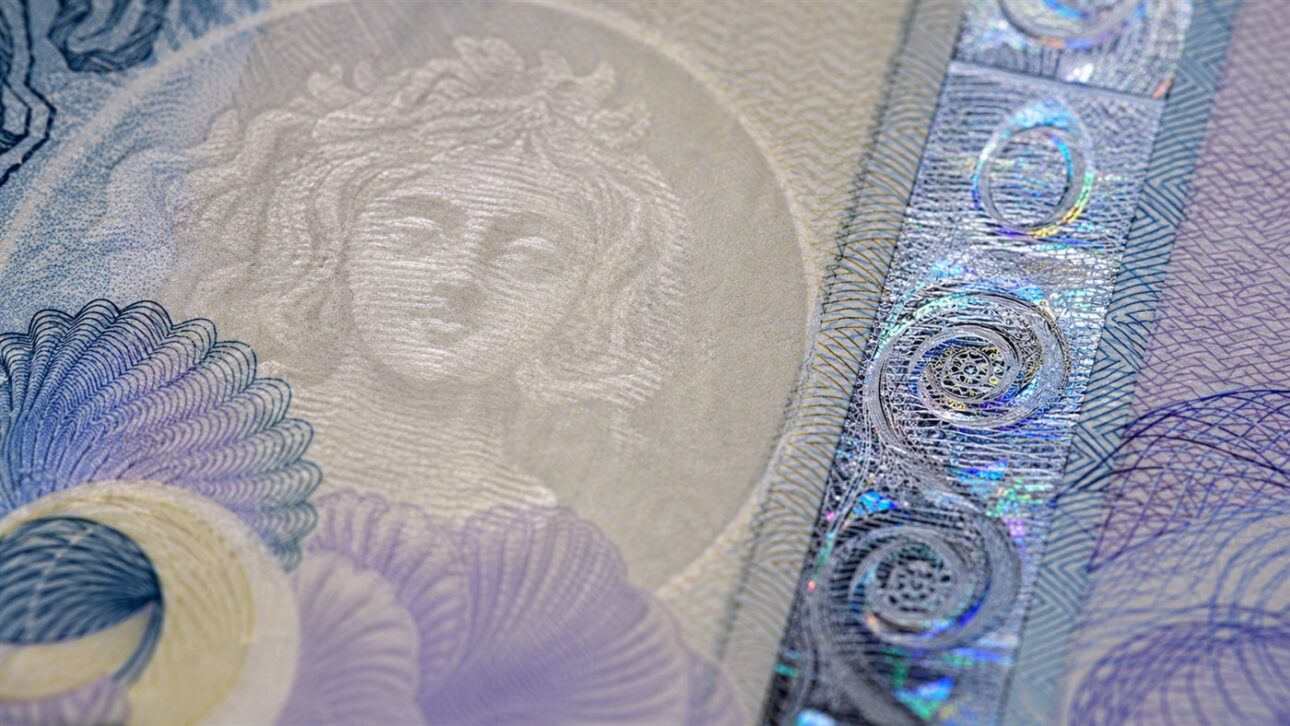
The company’s origin is modest and old. Thomas de la Rue left the island of Guernsey and set up a business in London in the 19th century, printing playing cards, stationery, and fine articles, which only later moved into the field that would make it famous. According to the Christian Science Monitor, the London company established itself as the world’s largest printer of currency and security documents, controlling up to 70% of the private money printing market.
That leap from playing cards to money defined the future of the business. Mastering the art of precise printing and making counterfeiting difficult was exactly the skill that governments needed. Over time, the company shifted from entertainment to security and became a central piece in one of the most sensitive services that exist, manufacturing currency for other countries.
69 national currencies served by a single company
The most impressive number is the amount of currencies served. A single company provides banknotes, polymer, and security resources for more than 69 different currencies, meaning that the money in the pockets of people from dozens of nations passed through the same factories. It’s a concentration of know-how that almost no one notices.
Think about what this represents: the sovereignty of issuing currency, a maximum symbol of national independence, is often operationally supported by a foreign company. The money may have the face and history of each country, but the industrial stamp behind it is usually the same. Printing banknotes on such a large scale has transformed the company into a sort of global security printer.
Who really manufactures a good part of the world’s banknotes
It’s not just the printing, it’s also the design of the note. The company participates in the creation of banknotes for dozens of countries, choosing colors, portraits, security elements, and all the visuals that make a note look trustworthy. Much of the aesthetics of the money notes circulating out there went through a British drawing board.
This is a silent cultural power, beyond the industrial. A note featuring a national hero from another continent may have been born, in part, in a London office, even while carrying all the local identity. It’s proof that manufacturing money has become a global technical service, not just a symbol confined within each border.
It’s not just money: passports and security documents
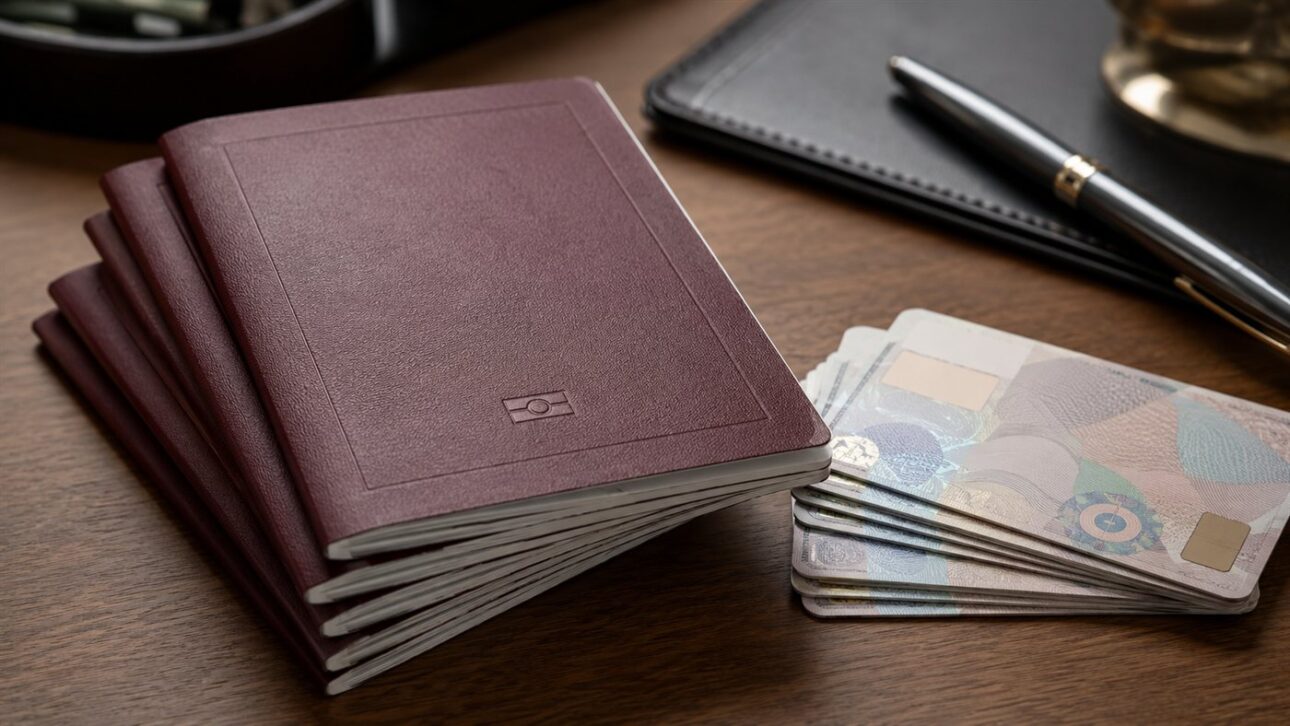
The company’s portfolio goes beyond banknotes. Throughout its history, the company has also established itself in passports, tax stamps, visas, and identity documents with anti-fraud technology. Practically any document that needs to be difficult to counterfeit has been its territory.
This type of product requires a level of security comparable to banknotes, with chips, holograms, and invisible marks. The company has specialized in transforming paper and polymer into objects almost impossible to copy, and this expertise is invaluable in a world full of frauds. Manufacturing trust, in essence, is the company’s true business.
The secret war against counterfeiters
All this apparatus exists because of a never-ending dispute. On one side, counterfeiters, increasingly equipped with high-quality printers and scanners. On the other, companies like this British manufacturer, which need to always be one step ahead to keep the banknote reliable.
Each new security feature, like color-changing ink or a transparent window in the banknote, is a response to some fraud attempt. It is an invisible technological race that decides whether a country’s money is worth or not, fought away from the public eye. When this race is lost, an entire nation’s economy can suffer from counterfeit notes.
Why Brazil doesn’t outsource, and many countries do
The Brazilian case serves as an interesting counterpoint. Brazil prints its own money at the Casa da Moeda, a state institution, maintaining full control over the production of the real domestically. Not every country has the structure, scale, or security to do the same.
Many smaller nations conclude that it is not worth maintaining their own mint and prefer to order banknotes from specialized suppliers. The decision between printing in-house or outsourcing involves cost, security, and a bit of national pride. Seeing Brazil in the group that produces its own currency shows that this autonomy, although expensive, is still possible and valued.
What it means to trust your money to a foreign company
In the end, this story reveals a surprising backstage of the financial system. What seems like the most national symbol of all, money, is often manufactured by a private company on the other side of the world, under contract and secrecy.
There is nothing illegal about it, but the fact provokes reflection on sovereignty, outsourcing, and trust. The next time you look at a banknote from any country, it’s worth asking yourself who really manufactured it. Did you imagine that so many people carry in their pockets the money printed by the world’s largest banknote printer, just one company?


