Portuguese
  Spanish




The Strategy Director of the Association of Distributors Abegás, Marcelo Mendonça, reported the need for new investments in infrastructure in the country. Only then can the participation of private natural gas suppliers in the market be expanded.
The projections of Marcelo Mendonça, Strategy and Market Director of the Brazilian Gas Distributors Association (Abegás), for the future of the national fuel market are not very positive. He believes that if there are no new investments in infrastructure in the natural gas sector, the participation of private suppliers in the market should not exceed 10%. This is not a political issue, but it should be considered by the current Government during its management, as the specialist points out.
Abegás Director Believes Participation of Private Natural Gas Suppliers Should Not Exceed 10% in the Brazilian Market Under Current Conditions
The national natural gas market is still mainly controlled by Petrobras and its presence in all regions.
However, in recent years, private fuel suppliers and distributors have been taking a new place in the non-thermoelectric segment.
-
With a record production of nearly 3 million barrels per day, Petrobras resumes importing diesel in July, highlighting the bottleneck in Brazilian refining.

-
Qantas and Airbus Invest in Company Aiming to Convert Unsorted Household Trash into Jet Fuel

-
Brazil’s ANP Opens 86 New Oil Blocks in the Equatorial Margin, Expanding the Amazon River Mouth Frontier

-
OPEC+ Boosts Oil Supply by 188,000 Barrels per Day in July 2026, Leading to Price Drop from $112 to $89 per Barrel in Under Two Months
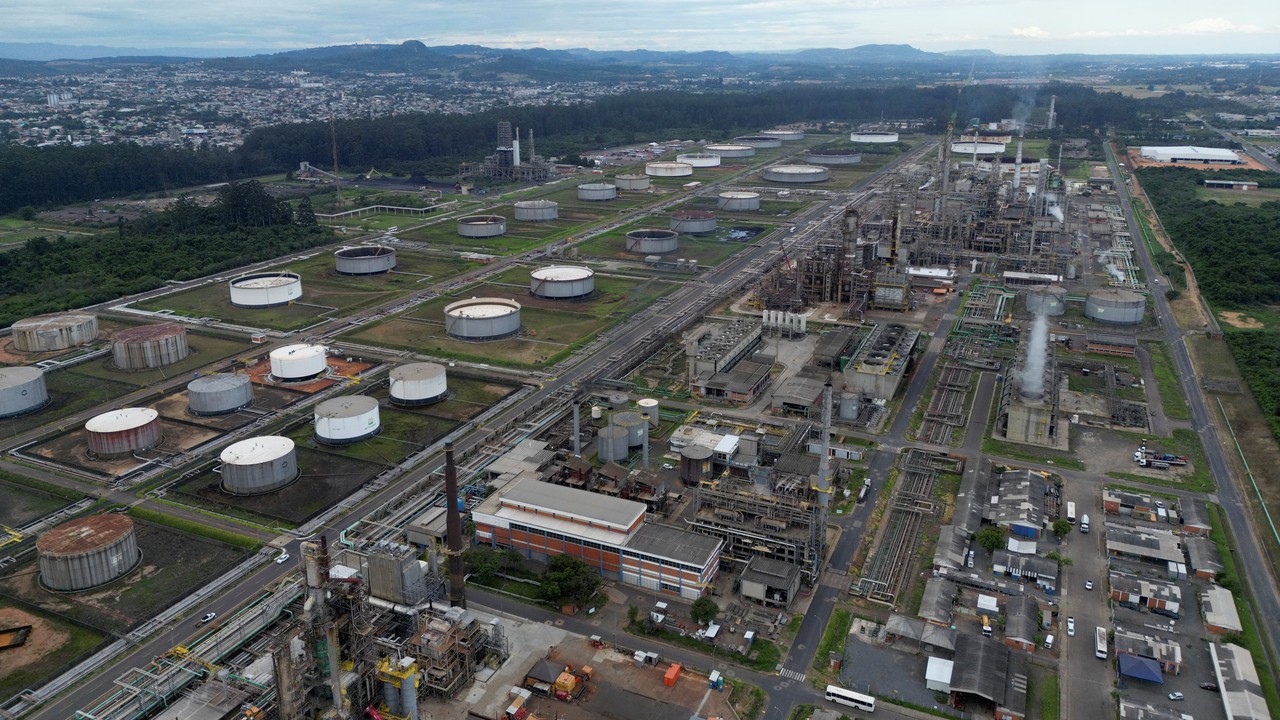



Despite this, Marcelo Mendonça believes that without the necessary investments in infrastructure, the participation of these companies in the product market will not exceed the current 10%.
The Abegás director believes that the current scenario in Brazil must be significantly altered to encourage the growth of private suppliers.
“Brazil needs to increase supply to diversify suppliers. And this depends on the viability of new routes for the flow of natural gas, processing units, and new transportation and distribution pipelines,” he said.
He also emphasized that this is not a political issue. According to him, the problem was already occurring during the former PT governments, persisted during the Bolsonaro government, and must be considered by the current Lula government.
For the Abegás director, it is essential that the Federal Government stimulates the private natural gas market through investments in infrastructure over the next few years.
Only then will there be a favorable scenario for new investors to undertake supply projects for the product in the Brazilian market.
Petrobras’ Role is Still Dominant in the Scenario, Preventing Growth of Private Suppliers Without the Necessary Investments
Some initiatives in the natural gas market have led to the current situation of low participation of private suppliers.
In 2019, the state-owned Petrobras signed an agreement with Cade to sell midstream and downstream gas assets to allow competition with private players.
In April 2021, Brazil approved a new regulatory environment aimed at liberalizing the sector, attracting private investments and reducing prices.
Despite this, Petrobras still maintains significant power in the fuel supply segment throughout the country.
This is because it currently owns the largest transportation and supply infrastructure for natural gas in Brazilian territory.
Thus, even with investments from the private sector, suppliers end up unable to compete with the current situation of the state company.
Another concerning point in the current Brazilian scenario for the Abegás director is the rapid vertical growth of Cosan, an ethanol and sugar producer.
It controls the largest gas distribution concessionaire in the country, Comgás, and also purchased Gaspetro.
For Mendonça, the future scenario should be marked by attracting private companies for the supply of the product.
“These are spot contracts that serve flexible thermal plants. We cannot wait for the next water crisis to try to solve the problem,” he highlights.
With the correct investments in the national natural gas market, the projections of the Abegás director may be contradicted in the future.