






 Portuguese
  Spanish
  4 min of reading
  0 comments


Proposal to Grant Autonomy to States in Electric Management Receives Support from the Sector and Can Propel Solar Energy and Innovation in Brazil.
The Constitutional Amendment Proposal (PEC) presented by Congressman Lafayette Andrada (Republicans-MG) has been gaining prominence in the national political and energy landscape. The proposal seeks to transfer to the states of the Federation the power to explore and manage electric energy distribution services, which is currently concentrated in the federal government. The objective is to modernize the governance model and decentralize decisions regarding the electric matrix, creating space for more autonomy, innovation, and efficiency — especially in advancing solar energy.
Recently, two of the main entities in the clean energy sector — the National Institute of Clean Energy (INEL) and the Free Solar Movement (MSL) — declared formal support for the proposal. The movement is seen as a milestone in the fight for a management model more adapted to the regional realities of the country, especially in areas where distributed solar generation is growing rapidly.
Solar Energy and Regional Autonomy: A New Stage for the Brazilian Electric Sector
According to Lafayette Andrada, the text of the PEC aims to strengthen the federative pact, allowing each state to develop distribution policies suited to its economic, climatic, and social characteristics. The measure is particularly relevant for the Northeast and the interior of the Southeast, regions that have stood out as hubs for photovoltaic solar energy generation.
-
Solar energy can increase property value by up to 10% and become a selling point.

-
Solar and wind energy surpass natural gas for the first time in the world and accelerate energy revolution

-
Africa has about 500,000 cell towers and most still burn diesel to operate, while companies rush to cover antennas with solar energy and avoid signal blackouts.
-
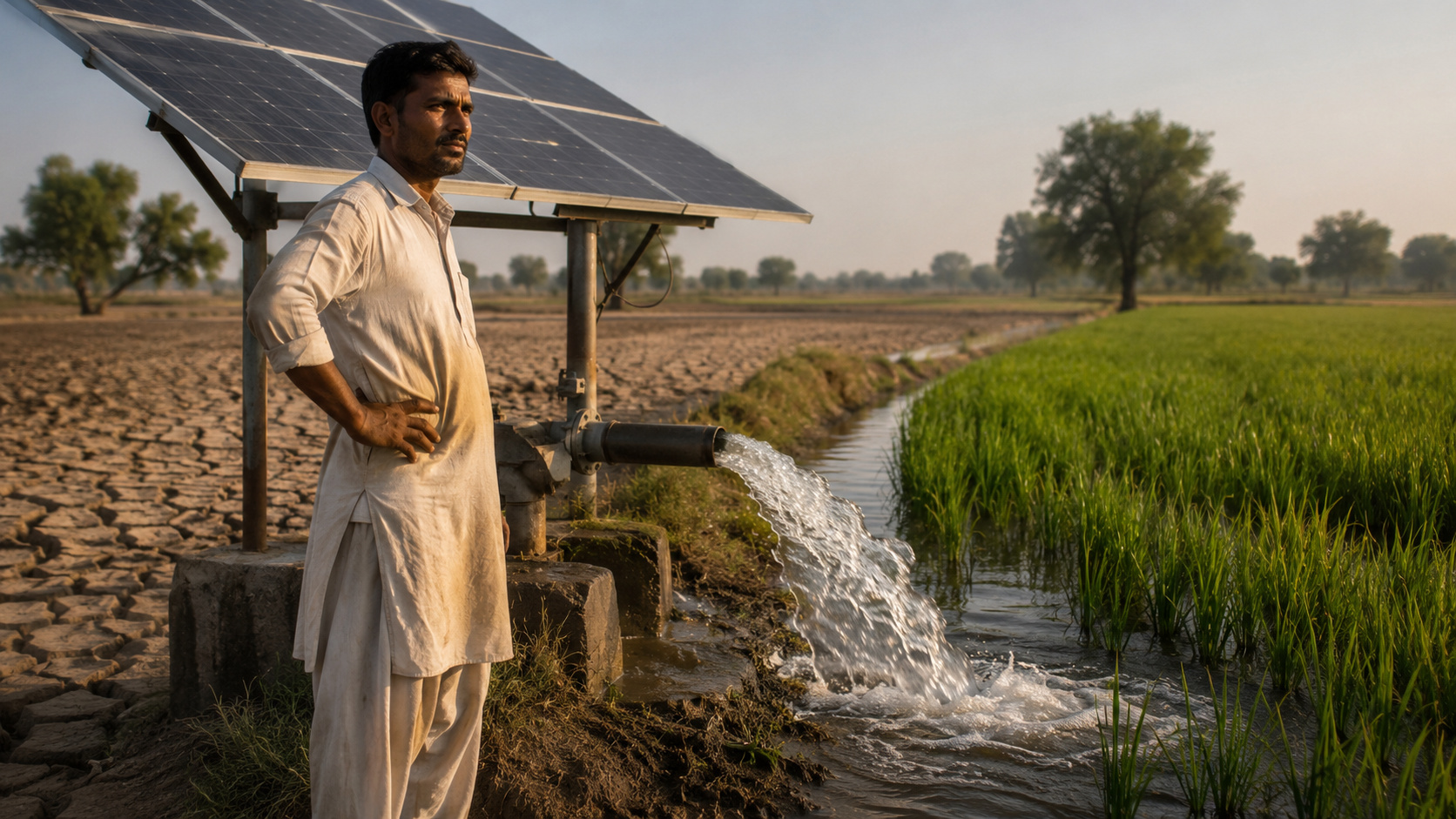
Farmers swapped diesel for solar panels in Pakistan, powered irrigation pumps almost cost-free, expanded rice fields, and now groundwater has become a red alert in the countryside.



In the opinion of the congressman, decentralization can bring energy decisions closer to local needs, resulting in more effective and sustainable public policies. “The proposal seeks to modernize the governance model and allow states to have autonomy to develop policies that are more suited to their regional realities,” said the congressman.
Clean Energy Sector Sees the PEC as an Opportunity for Innovation and Competitiveness
The president of INEL, Heber Galarce, emphasizes that the change is essential to eliminate barriers and increase the efficiency of the national electric grid.
“Today, the regulation of distribution is centralized in the federal government, which causes imbalances and obstacles, especially in regions that lead the adoption of solar energy, such as the Northeast and the interior of the Southeast. States need to have tools to act and offer cleaner and more efficient solutions,” Galarce highlighted.
In the same vein, Hewerton Martins, president of the Free Solar Movement, reinforced the importance of the proposal to accelerate the energy transition.
“Granting autonomy to states is recognizing that clean energy is already a reality and needs governance that is closer to society and local challenges,” he stated.
Both leaders believe that by allowing a decentralized management of solar energy, Brazil could advance more rapidly towards a sustainable electric matrix based on renewable sources and low environmental impact.
National Mobilization Around the Proposal Strengthens the Movement for Solar Energy
Support for the PEC is not restricted to institutional entities. Businesspeople, integrators, and solar energy consumers across the country have come together around the proposal. The mobilization seeks to pressure Congress to gather the 171 signatures needed for the text to begin its official process.
According to representatives of the sector, this is a historic opportunity to reposition Brazil on the global map of clean energies, strengthening the leading role of states and stimulating the creation of new business models based on energy autonomy and technological innovation.
PEC Reflects Transformation of the Electric Sector and Advance of Renewable Sources
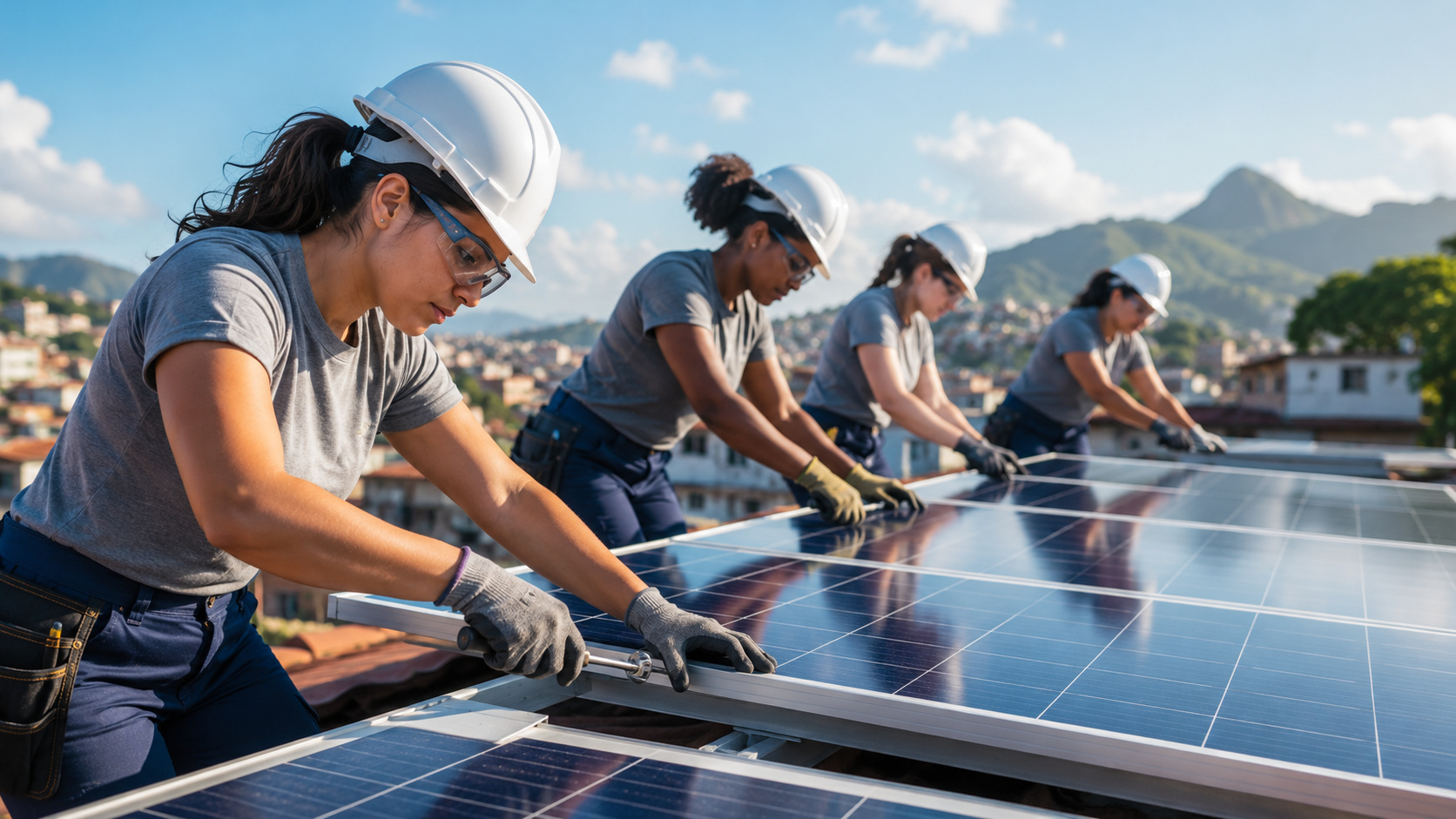
The exponential growth of distributed generation — especially solar energy — has been profoundly changing the structure of the Brazilian electric sector. With over 2.5 million installed photovoltaic systems in the country, according to recent data from Aneel, the demand for regional public policies that accompany this expansion has become urgent.
In this context, Lafayette Andrada’s PEC emerges as a response to the structural transformations of the sector, which is beginning to incorporate decentralized models of production and management. The proposal aligns with international trends of sustainability and innovation, in which solar energy plays a central role in combating climate change and diversifying energy matrices.
With growing support from INEL and the Free Solar Movement, the PEC gains political and institutional strength. Experts claim that if approved, the measure could redefine the balance between the Union and states, inaugurating a new paradigm of energy governance.
By allowing states to create their own distribution policies, Brazil could stimulate regional investments, reduce bureaucratic bottlenecks, and accelerate the transition to a greener and more competitive economy. Therefore, the debate is not limited to a political issue — it is a strategic step towards the future of solar energy in the country.






Be the first to react!