






 Portuguese
  Spanish


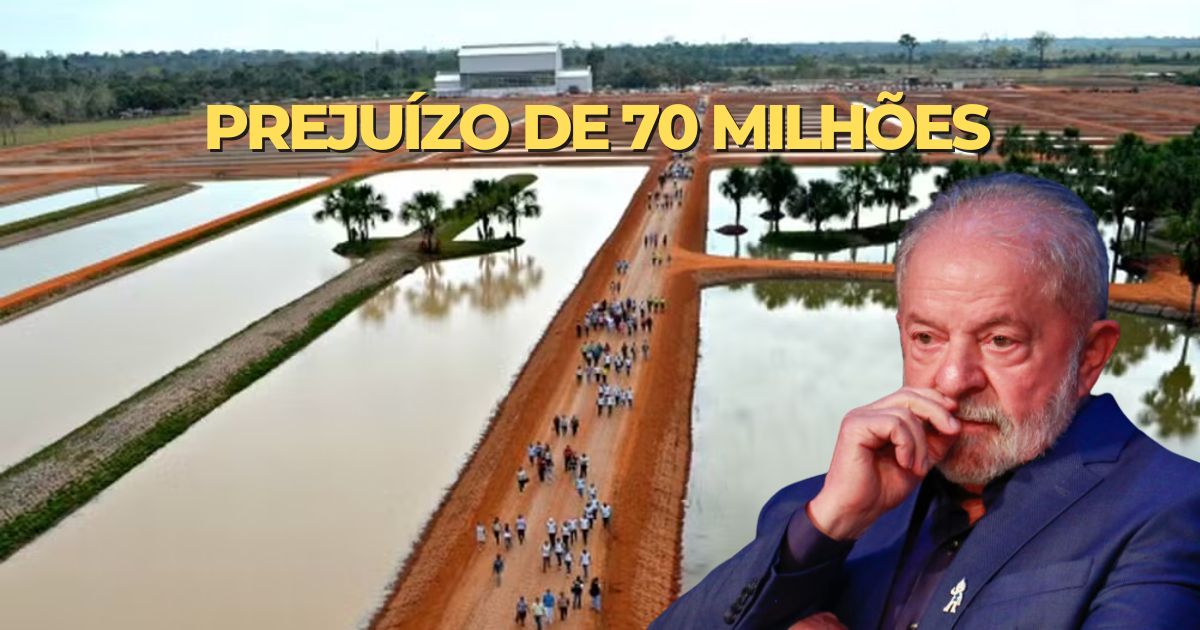


Amazon Fish, A Project Created Under the PT Government and Inaugurated by Lula, Goes Bankrupt with a Loss of R$ 70 Million. The Collapse Affects 2,500 Families and Impacts the Economy of Acre. Failures in Management and Debts Contributed to the Dramatic Outcome. The Future of Aquaculture in the Region Remains Uncertain.
One of the largest aquaculture ventures in Acre, Peixes da Amazônia S.A., had its bankruptcy declared by the courts.
The decision, signed by Judge Romário Faria of the Civil Court of Senador Guiomard, was announced on Tuesday (11). The case marks another chapter in the financial and structural issues the company has been facing since 2018.
According to the G1 portal (check the article here), the public-private company entered into judicial recovery but failed to comply with the plan approved by the courts, neglecting to pay creditors and the judicial administrator’s fees.
-
Major Appliance Manufacturer Closes Factory in Argentina, Shifts Production to Brazil, and Restructures in Latin America with Mexico Closure, Investing Up to $165 Million

-
China to Revive $3.6 Billion Mega-Dam Project in Myanmar, Stalled Since 2011, Promising 6 GW Capacity and Completion in Eight Years

-
Foreign Company Wins Auction for Brazil’s First Immersed Tunnel, a $1.3 Billion Project with $14 Million Contract Under Federal Investigation

-
China’s Century Megaproject Wows the World: Massive Water Transfer Network Moves Water from Wet South to Arid North, with Ambitious Plans in the Tibetan Plateau Involving Giant Tunnels at Altitudes up to 4,000 Meters



The industrial complex was also targeted for thefts due to the abandonment of its physical facilities, one of the factors that hindered its recovery.
The courts ordered that the company’s registration be updated to reflect its bankruptcy and prohibited its representatives from engaging in business activities.
A Large-Scale Project and Its Journey
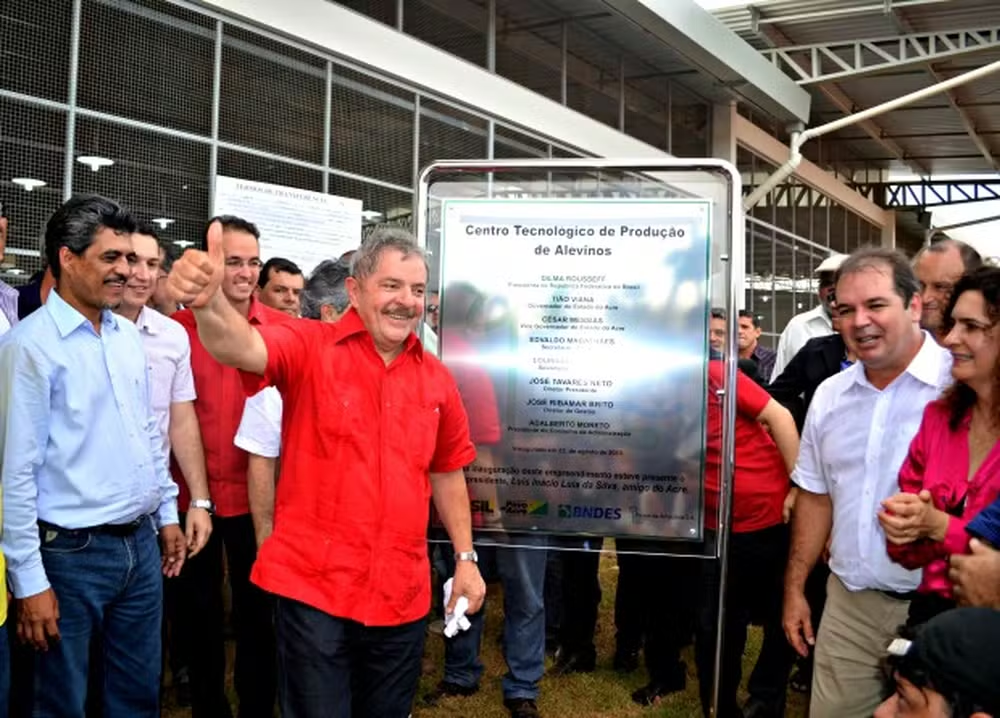
Founded in 2011 as a public-private partnership, Peixes da Amazônia S.A. was co-owned by the government of Acre, through the Acre Business Agency (Anac), and the Central Cooperative of Fish Farmers of Acre (Acrepeixe), which represented around 2,500 small fish farmers.
The aquaculture complex, inaugurated in 2013, covered an area of over 60 hectares and included a fingerling laboratory, a fish feed factory, and 122 tanks, of which 80 were designated for the breeding of pirarucu fish.
The site had the capacity to produce 12 million fingerlings per year, as well as housing a processing plant. At its peak, it processed up to 70 tons of fish per day and generated 450 direct jobs.
Among notable events, the company received a visit from Evo Morales, then president of Bolivia, and the Minister of Strategic Affairs, Mangabeira Unger, in 2015. However, difficulties began to arise a few years later.
Financial Crisis and Judicial Recovery
In 2018, Peixes da Amazônia S.A. entered judicial recovery due to debts estimated at R$ 12 million, including bank loans and labor debts.
A study released by the Brazilian Aquaculture Association in 2020 revealed that fish production in Acre dropped from 8,500 tons in 2018 to 4,400 tons in 2019, a 48% reduction attributed to the suspension of the company’s activities.
Although the state government sought solutions, such as meetings with investors to restructure the company, recovery attempts did not progress.
In 2019, entrepreneurs proposed a management model without state interference, but the project was not realized.
Amazon Fish: Social and Economic Impact
With the company’s bankruptcy, the 2,500 families of small fish farmers represented by Acrepeixe lost an important source of income.
Furthermore, the suspension of activities resulted in unemployment and a reduction in the aquaculture production chain in the state.
The bankruptcy also represents a significant financial hole, estimated at R$ 70 million, combining the investments made and the debts accumulated.
The abandonment of the facilities, now targets of theft, symbolizes the end of a project that initially promised to transform aquaculture in Acre.
The Future of Aquaculture in Acre
With the cessation of activities at Peixes da Amazônia S.A., aquaculture in Acre faces challenges to regain previous production levels.
Experts indicate that private investments and sustainable partnerships will be crucial to reverse the impact and ensure the continuity of the sector.
Can large-scale projects like this be viable in the future? What needs to change for similar initiatives to thrive in Brazil?








Rapaz os petistas comem **** mas não aceitam que o Lula é uma ****, só podem ser **** mesmo.
Aonde uma empresa estatal que concorre no mercado sobrevive algum tempo
Alisson Fischer
O que vc não diz na matéria é que o prejuízo foi causado por uma descontinuidade do projeto por parte dos governos que sucederam o golpe legal dado em Dilma (Temer e Bolsonaro).
Vc é tendencioso e parece que trabalha politicamente usa do esse veículo de “informação”.
E pra quem acha que sou ****, deixo bem claro que não sou e sou muito crítico a eles. Porém essa falsa direita que se instalou na política desse país é triste e abusa da ignorância política da maior parte das pessoas de bem deste país por interesses escusos.