Portuguese
  Spanish


Petrobras’ billion-dollar investment expands naval orders in Santa Catarina, boosts shipyards in Itajaí and Navegantes, and reinforces the revival of shipbuilding in the country, with direct impact on jobs, maritime technology, and fleet renewal until 2032.
With an estimated investment of R$ 12 billion, Petrobras plans to build 42 vessels in Santa Catarina and generate more than five thousand direct jobs within the Open Sea Program, an initiative aimed at renewing and expanding the Petrobras System fleet.
The announcement was made on Friday (06/26), during a visit by President Luiz Inácio Lula da Silva to the Detroit Shipyard in Itajaí, on the northern coast of Santa Catarina, with the presence of Petrobras President Magda Chambriard.
Shipyards in Itajaí and Navegantes gain prominence
In the first stage, the Detroit shipyard in Itajaí and Navship in Navegantes are already focusing on 16 maritime support vessels under construction, in projects that directly employ more than two thousand professionals, according to Petrobras.
-
Former Carrefour site in Rio de Janeiro may become affordable housing complex with 600 units after nearly 20 years of closure and legal battles.

-
Shopee Turns Instagram Posts and Reels into Shopping Showcases, Allowing Creators to Tag Products and Earn Commissions

-
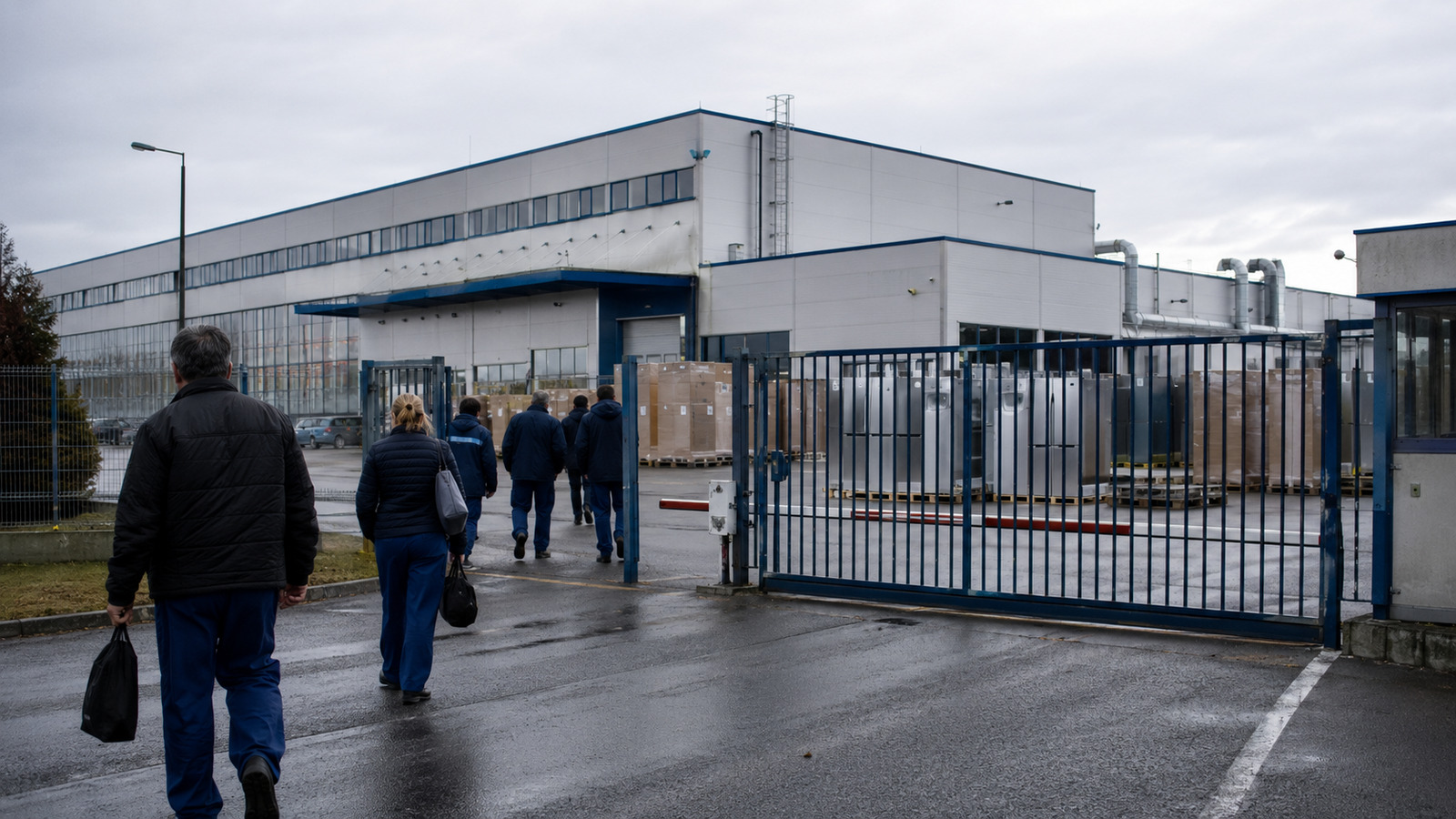
Electrolux to Close Hungarian Refrigeration Plant by 2026, Impacting Over 600 Jobs

-
Brazilian Workers May See FGTS Profit Deposited by August 31, But Funds Aren’t Freely Withdrawable: Over R$14.2 Billion Distribution Awaits Council Decision, Aims to Counter Inflation, Surprising Workers with Balance Increase Without Immediate App Withdrawal



Within this initial package, Itajaí hosts six PSV-type vessels, used in platform support, and four OSRV units, aimed at response and recovery operations in case of oil spills.
Meanwhile, in Navegantes, another six PSV vessels are in production, increasing the city’s participation in the program and reinforcing the weight of the Santa Catarina naval industry in orders related to Petrobras’ offshore operations.
Among the units in a more advanced stage, the Starnav Elektra, a PSV-type vessel, is being built at the Detroit Shipyard and is scheduled for delivery in July, after being highlighted during the official visit to the enterprise.
Onboard technology seeks lower consumption
In the PSV boats, the projects include energy generation and distribution systems with a battery bank, telemetry consumption control, and the future possibility of conversion for partial operation with renewable fuel.
In addition to these features, the vessels will have new painting technologies and anti-fouling systems, solutions used to reduce resistance during navigation, decrease fuel consumption, and cut emissions in maritime operations.
During the agenda in Itajaí, Magda Chambriard advocated for the resumption of shipbuilding in the country and stated that the early delivery of the Starnav Elektra “confirms the strength of the Brazilian shipbuilding industry.”
On the same occasion, the president of Petrobras said that the company has the largest maritime support fleet in the world and emphasized that the country can operate and build its own vessels, without relying solely on contracts with foreign labor.
Open Sea Program advances until 2032
For Santa Catarina, the plan also includes eight support vessels for subsea engineering of the RSV type, planned for shipyards in Navegantes, in addition to 18 pushers intended for the renewal of Transpetro’s fleet.
On a national scale, the Open Sea Program foresees 96 vessels by 2032 and estimated investments of R$ 32 billion in the Brazilian shipbuilding industry, combining construction and chartering of units for Petrobras and Transpetro.
The national package includes 40 support vessels for exploration and production, 20 cabotage ships, 18 barges, and 18 pushers, according to information released by the Petrobras Agency.
Another relevant point is the minimum requirement of 40% nationalization in the construction phase of the vessels, with financing from the Merchant Marine Fund and greater participation of the Brazilian production chain in the orders.
In the Itajaí and Navegantes hubs, Petrobras states that the contracts ensure demand for the Santa Catarina shipbuilding industry in the coming years, especially in activities of construction and repair of support vessels.
With 42 vessels planned in the state, 16 units already under construction, and new orders directed to Navegantes, Santa Catarina assumes a strategic role in the renewal of the Petrobras and Transpetro fleet.
Can this billion-dollar package reposition Santa Catarina at the center of Brazilian shipbuilding and increase the competition among national shipyards for new offshore support orders in the coming years?