Portuguese
  Spanish


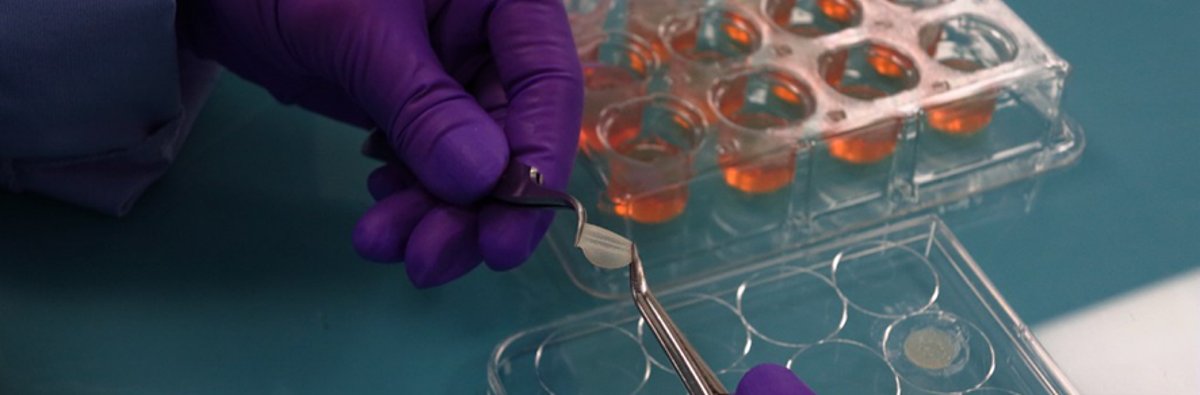

Brazil Now Produces Human Skin in the Lab! Meet Episkin, L’Oréal Technology That Promises to End Animal Testing and Revolutionize Cosmetics.
Have you heard about human skin made in a lab? It sounds like science fiction, but this innovation is already up and running in Brazil.
The cosmetics giant L’Oréal has opened, in Rio de Janeiro, the first laboratory in the country dedicated to creating artificial human skin, a revolution for science and for how beauty products are tested.
What Is This Episkin?
At the heart of this innovation is Episkin, a type of lab-reconstructed skin made from real human cells. The tissue accurately simulates the epidermis — the outermost layer of our skin — both in structure and behavior.
-
Berries, Strawberries, and Blueberries Could Transform Agriculture in Northeastern Brazil, New Tests Reveal

-
Danish Resident Discovers Six Viking Gold Bracelets Weighing 762.5 Grams, Third Largest Gold Treasure in Denmark

-
Over 200 Cities in Southern Brazil on Storm Alert as Cyclone Near Uruguay Brings Heavy Rain, Hail, and Winds Up to 100 km/h

-
Archaeologists Discover 2,300-Year-Old Beer in Sealed Bronze Vessel from Ancient Chinese Tomb




The main objective? To conduct tests with cosmetics and other products in a more ethical way, without using animals.
This technology was already applied in France and China, but now it gains a 100% Brazilian version at L’Oréal’s Research and Innovation Center, located on Fundão Island in the northern zone of Rio.
How Is This Skin “Cultivated”?
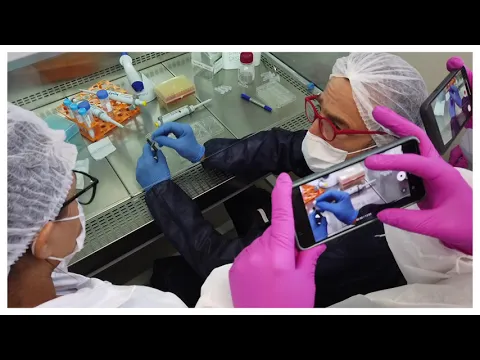
The process starts with the donation of human skin cells, usually obtained with consent during clinical procedures. In the lab, these cells are nourished and cultivated under controlled conditions until they organize into layers similar to real skin.
The entire cycle takes about three weeks — and the result is a living tissue, ready for use in testing.

Why Is This So Important?
Producing skin in a lab brings a number of benefits that go beyond beauty:
- End of Animal Testing: It is possible to evaluate the safety of products without causing suffering to living beings.
- More Accurate Results: Since it involves real human skin, reactions to products are closer to reality.
- Scientific Advances: The technology also helps study skin diseases, allergies, and even the effects of solar radiation.
Brazil on the Global Innovation Map
With the establishment of the laboratory in Rio, Brazil joins a select group of countries that dominate this technology.
Now, we are one of three nations in the world capable of producing Episkin, positioning the country as a reference in science applied to skin health.
Moreover, with local production, other Brazilian companies will have easier access to this resource, encouraging more ethical and modern practices throughout the sector.
A Look at the Future
The creation of human skin in a lab represents an advancement not only technological but also ethical and environmental. For consumers, this means safer cosmetics, developed responsibly and with respect for life.
The future of beauty, health, and science is being built now — in a Brazilian lab, cultivating human skin with the purpose of transforming the world.
Did you already know?