Portuguese
  Spanish


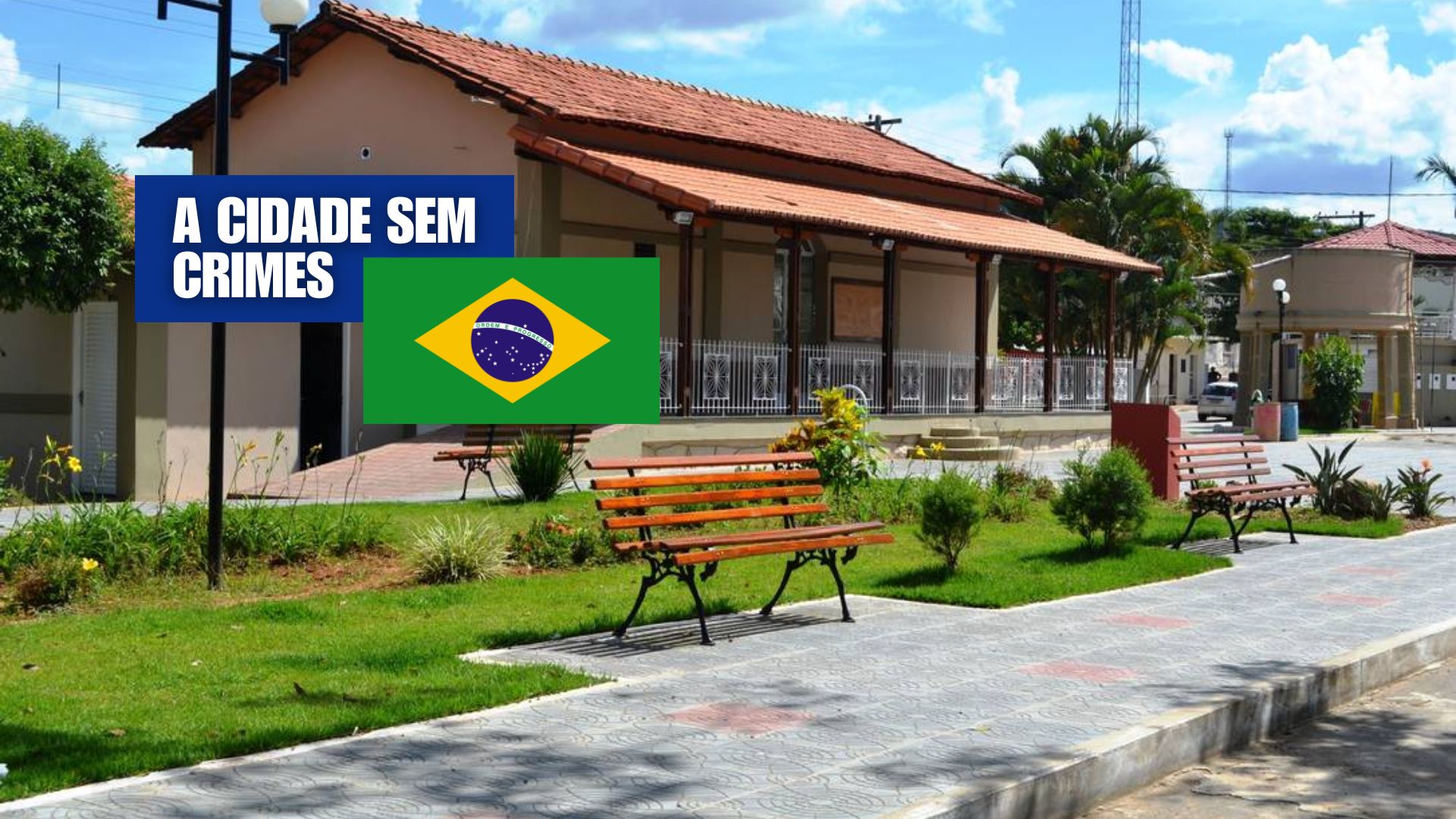


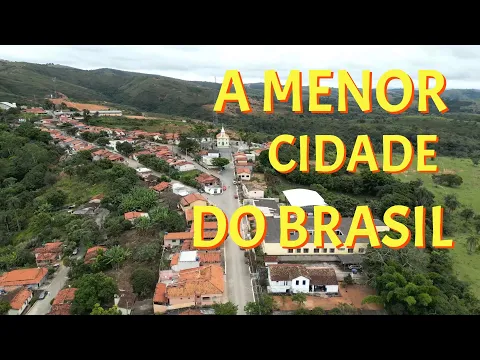
Serra da Saudade, in Minas Gerais, has fewer than a thousand inhabitants, no homicides in six decades, and a routine marked by trust, absence of queues, and neighborhood ties that shape the daily life of the smallest municipality in Brazil.
The smallest city in Brazil by population maintains a routine of low crime and public services without queues.
According to the IBGE, Serra da Saudade (MG) has 856 residents in 2025, two more than the previous year, and has been without a homicide record for about six decades.
With an area of 335.6 km², similar to that of Belo Horizonte, the municipality has only two neighborhoods and hosts an economy that, in 2021, recorded per capita GDP of R$ 28,3 thousand.
-
How to Prevent Brown Recluse Spider Bites: Common Hiding Spots and Free Tips to Reduce Risks

-
Natto: The Unusual Japanese Superfood Gaining Popularity on Social Media and Driving Record Exports
-
Brazilian Mayor Goes Undercover as Homeless for 24 Hours to Assess Public Services

-
15-Year-Old Entrepreneur Malu Lira Publishes 20 Children’s Books on Financial Education, Earns $500,000, and Expands Her Project to the Amazon Rainforest



In 2024, the gross revenues exceeded R$ 31 million, according to data provided by the local administration.
Minimum Population and Large Territory
Although it has had the smallest population in the country for 12 years, Serra da Saudade is not small in size.
With 335.6 km², the municipality occupies a territory slightly larger than the capital of Minas Gerais.
Population density has remained low since the 2022 Census, when the city recorded 833 residents.
The 2025 estimate confirms the trend of stability, with an increase of two residents in the annual comparison.
Public Services Without Waiting
The municipal health network operates in a single facility, providing care without queues.
More complex procedures are referred to Dores do Indaiá and other nearby cities.
At the municipal pharmacy, the city hall distributes continuous-use medications and basic items, compensating for the absence of private pharmacies in the city.
There is also no gas station within the urban perimeter; the closest refueling option is in Estrela do Indaiá, about 15 kilometers away.
In the school and sports routine, the administration maintains centralized actions, with equipment shared by both neighborhoods.
Compact Commerce and Neighborhood Relations
Commercial life fits within a few blocks.
There are two supermarkets — one has been operating for six decades and still uses a credit system with a ledger —, a bakery, a lottery house, seven bars, and a small restaurant serving buffet and takeout homemade meals.
On streets like Rio de Janeiro, there are sections with only one residence.
The daily scene consists of conversations on sidewalks and open doors, with free Wi-Fi in the central square for residents and visitors.
Close and Popular Administration
In the executive branch, Mayor Neusa Maria Ribeiro (PP) is in her third term and received over 90% of the votes in the 2024 election, according to official records.
She summarizes governance through proximity to the population: “Serra da Saudade is small, but everyone knows each other here. This closeness helps us govern in a more humane way. I can risk saying that I know all the residents.”
The city hall concentrates a significant portion of local contracts and organizes services that, in larger cities, would be dispersed.
Security Based on Trust and Communication
Crime indicators remain low.
The Military Police attributes tranquility to the community control of the territory and rapid communication between neighbors and police.
Arrivals of vehicles or visitors deemed suspicious are usually reported immediately to the police for routine checks.
In recent reports, sporadic thefts have been resolved with the recovery of goods, and no robberies have been reported for years.
The last known homicide dates back about 60 years, which is rare among Brazilian municipalities.
Two Neighborhoods, 30 Streets and Strong Ties
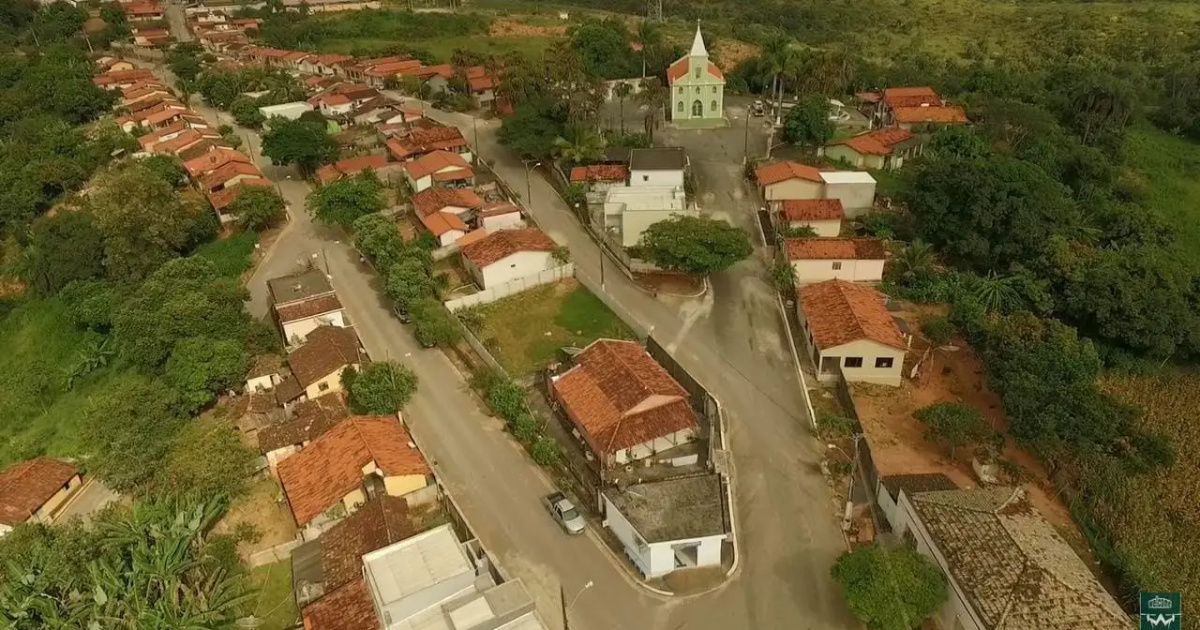
The urban layout of Serra da Saudade spreads across 30 streets in the neighborhoods of Centro and São Geraldo.
The small scale fosters relationships of trust and a network of solidarity among families.
The municipal secretary of Education, Sports, Leisure, and Tourism says that residents grow together across generations, which reinforces social cohesion and facilitates the organization of community events.
Origin of the Name and Local Memory
The toponymy mixes geography, historical records, and oral tradition.
The municipality inherited its name from the mountain that surrounds the region and embraced the word “saudade” as an identity marker.
A legend cited by residents tells the story of a young indigenous woman who is said to have died of sadness while waiting for news from her family.
In the faded letter she kept, only the word “saudade” remained legible.
This is an account of oral transmission, preserved in local memory and without documented proof.
Railway, Highway, and the Path to Autonomy
The settlement developed with the Paracatu Railway, which transported coffee, wood, cattle, and diamonds and boosted small businesses and inns.
World War II halted road construction and kept the railway as an essential route for years.
The deactivation of the railway in 1969 marked the end of a cycle and reinforced dependence on roads.
Political autonomy occurred in the early 1960s: the state law that reorganized the administrative division is from December 30, 1962, and the establishment of the municipality took place on March 1, 1963, a date the city celebrates as its anniversary.
Local Finances and FPM
The municipality’s financial mechanism revolves around constitutional transfers and modest own revenues.
In 2024, the treasury recorded gross revenues exceeding R$ 31 million, according to transparency data reported by the administration.
The Municipalities Participation Fund (FPM) is the main source of current resources and fluctuates according to the monthly quotas.
The city hall reports that the transfers have allowed for the maintenance of services and small investments in urban infrastructure.
Small in People, Big in Singularities
Serra da Saudade combines low population density, streamlined commerce, and concentrated service provision, with unusual security indicators.
Amid public squares with free internet and open-door bars, the city preserves a rural rhythm rarely seen, where it is possible to recognize residents by name and follow communal life with few intermediaries.

Brazil in Perspective: Demographic Projections
The portrait of the smallest city occurs while the country experiences rapid demographic transition.
Official estimates indicate 213.4 million inhabitants in 2025, after 212.6 million in 2024.
IBGE projections anticipate a population peak in 2041, with around 220.43 million, and a beginning decline from 2042, reaching approximately 199.2 million by 2070.
São Paulo remains the most populous municipality, with 11.9 million; Rio de Janeiro follows with 6.7 million; and Brasília ranks third, with 3 million.
In this scenario, small municipalities like Serra da Saudade are likely to face challenges in offering specialized services, but they also maintain support networks and cohesion that partly explain the sense of security reported by residents.
The routine in Serra da Saudade presents a possible country on a microscopic scale: what other Brazilian cities could learn from the combination of active neighborhoods, agile services, and extremely low violence?