






 Portuguese
  Spanish



Researchers Believed They Had Located a Missing Plane in a Remote Area, But Upon Arrival, They Discovered It Was Something Totally Different
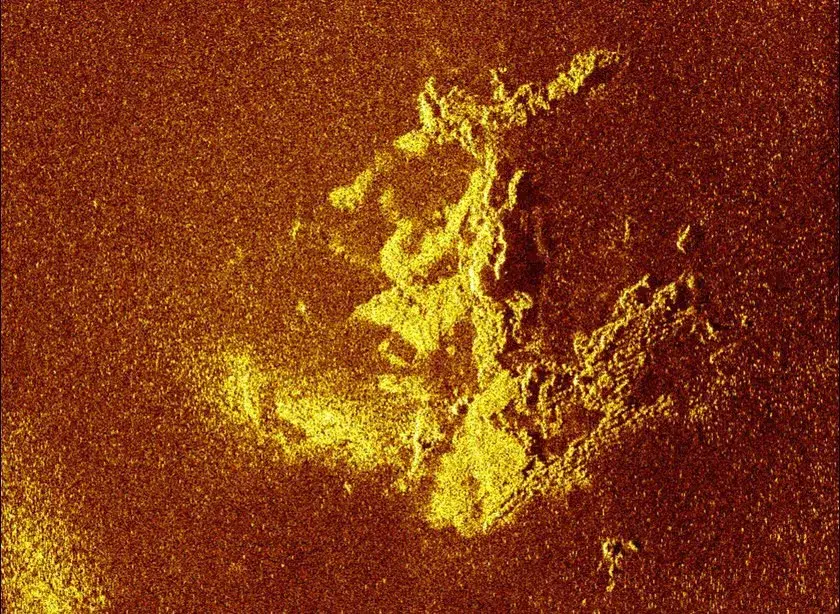
At the beginning of this year, an intriguing discovery reignited hopes of solving one of aviation’s most fascinating mysteries. Researchers captured sonar images of an object resembling a landed plane, located about 16,400 feet (approx. 5 km) deep in the Pacific Ocean.
The site, near Howland Island, was the planned final destination of Amelia Earhart before her disappearance in 1937. Despite the initial excitement, analysis revealed a harsh reality.
In November, the exploration company Deep Sea Vision announced that the supposed plane was merely a rock formation with contours curiously similar to the Lockheed 10-E Electra.
-
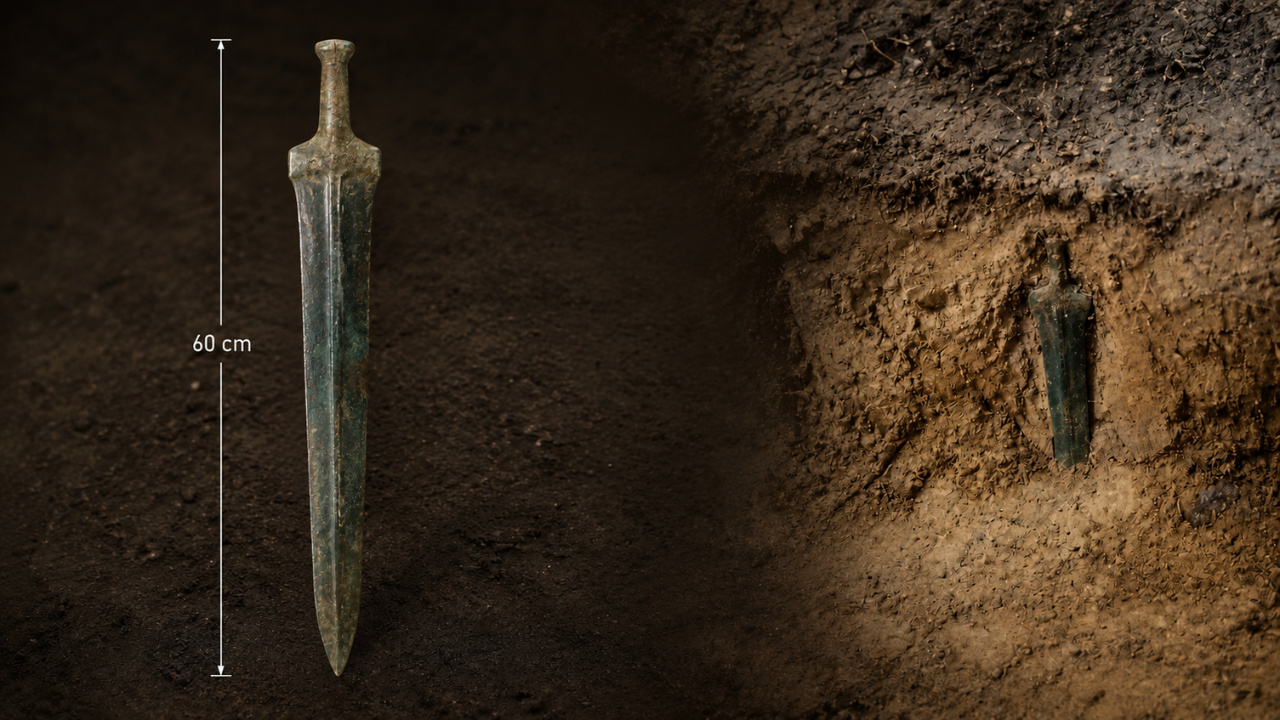
Detectorist finds 2,700-year-old bronze sword embedded vertically in forest in Poland; artifact may reveal ancient Bronze Age ritual

-
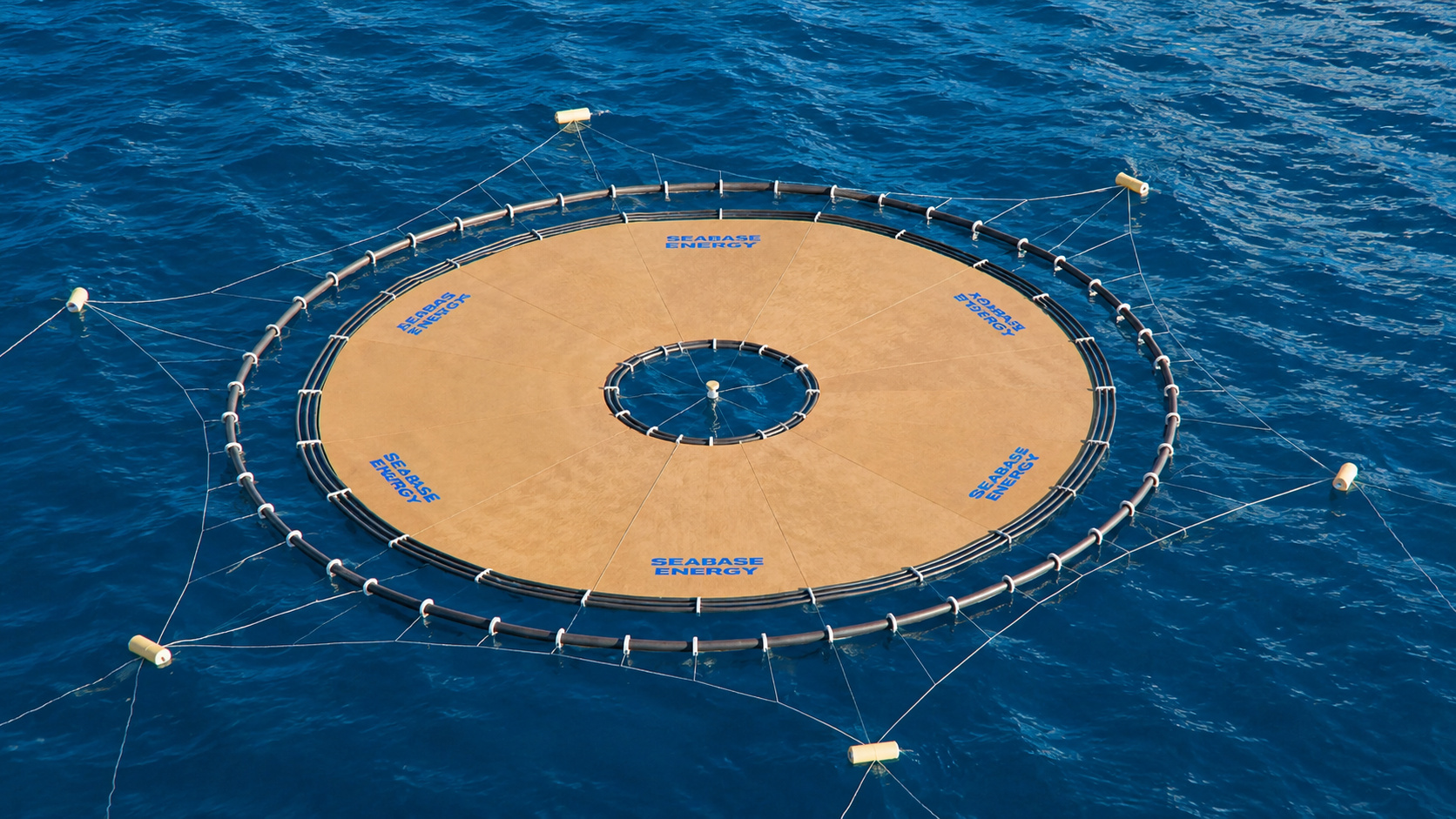
At the bottom of the Mediterranean, Italian engineers have sunk a “plant” in the shape of a giant donut that uses the ocean’s own weight to store energy, storing electricity generated by wind and sun at the sea floor and returning it to the grid without dams, mountains, or chemical batteries.

-
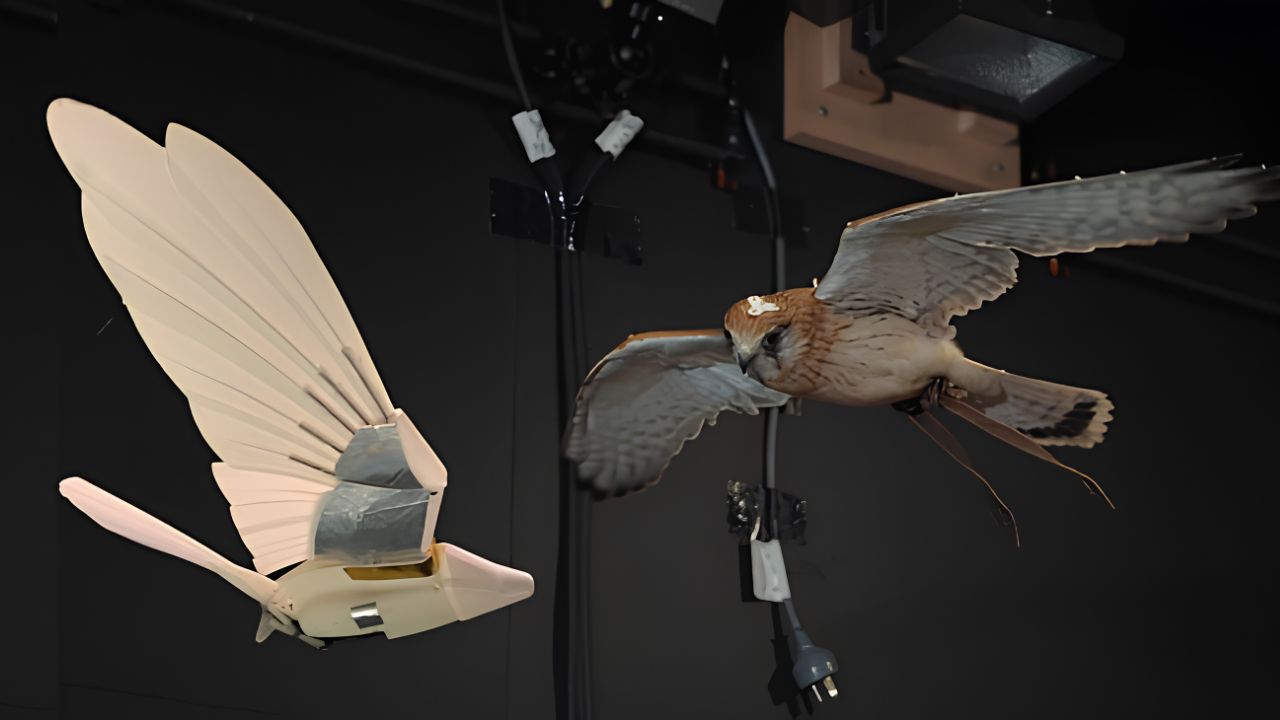
Scientists create robotic bird that uses articulated wings to maintain balance, mimicking hawks and flying with stability where common drones fail.
-
U.S. university performs surgeries with remotely controlled humanoid robots

Tony Romeo, the company’s CEO, described the discovery as one of the “most cruel formations ever created by nature.”
An Endless Search
Tony Romeo sold his real estate business to finance an $11 million expedition, betting on sonar technology and advanced underwater vehicles. His team mapped 5,200 square miles of the ocean floor, hoping to unravel the mystery.
The effort reflects decades of search research for Earhart’s plane, led by researchers like Elgen Long, who concluded that the aviator ran out of fuel near Howland Island. Companies like Deep Sea Vision and Nauticos have been refining the search area with each expedition, even facing successive failures.

Deep Sea Vision via
The Legend of Earhart’s Plane
In the 1930s, Amelia Earhart was a global icon. She was the first woman to cross the Atlantic as a passenger and later the first to make the same journey as a solo pilot. Her final mission, an attempt to circumnavigate the globe, tragically ended after 20,000 miles traveled.
The official search for the plane lasted only two weeks, but public curiosity never ceased. Since then, conspiracy theories and speculations about her fate have fueled popular imagination.
However, as Dorothy Cochrane, curator at the Smithsonian, points out, finding the Electra would not only close the mystery but also highlight Earhart’s lasting impact on aviation and women’s history.
Persistence and Hope
Even after the recent revelations, Romeo promises to continue the search. “I’m super disappointed, but that’s how life is,” he stated. Nauticos, in turn, completed a radio data analysis to plan new missions.
Although no concrete evidence has surfaced, Earhart’s legacy remains. Her bravery and pioneering spirit continue to inspire generations, and the search for answers keeps alive the story of one of the most fascinating figures of the twentieth century.


