Portuguese
  Spanish


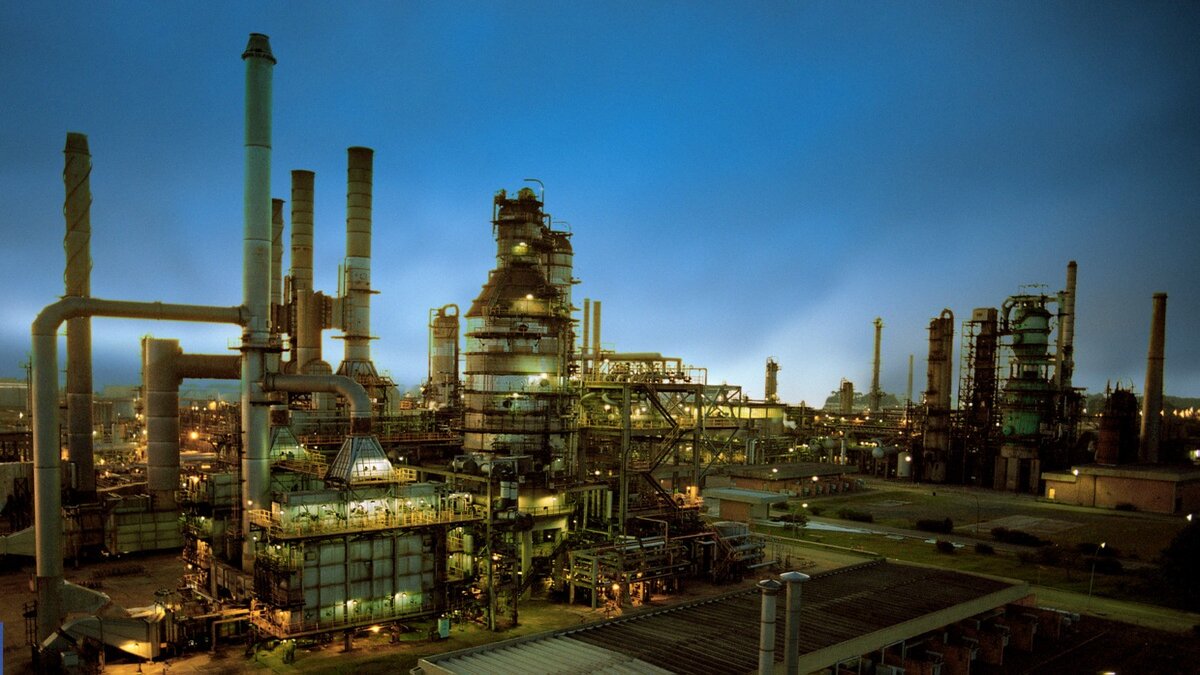

The Agreement Between Petrobras and Bunge Provides for the Supply of Refined Soy Oil to the State-Owned Company, Which Is Being Dedicated to Initial Tests for Utilization in Blending with Diesel R5 Produced at the Repar Refinery.
Petrobras announced last Wednesday (08/03) yet another contract aimed at fuel refining in Brazil, this time with Bunge, for the supply of refined soy oil that will be used in blending with Diesel R5 produced at the Repar refinery in Paraná. The supply of the resource is already underway, and the state-owned company is in the testing phase regarding the utilization of the blended fuel in the national market.
Refined Soy Oil from Bunge Is Already Being Used in Initial Testing Phases with Petrobras Diesel Produced at the Repar Refinery
Petrobras has just announced a new partnership with Bunge for the supply of refined soy oil produced by the company to be used in the blending of Diesel R5, processed at the Repar refinery located in the state of Paraná. The announcement was made this week, but the supply of refined soy oil from Bunge has been happening since July, and the contract provides for the start of production by September 2022.
Now, about 1.5 million liters of refined soy oil from the company will be allocated to the Repar refinery for initial testing of the product in blend with Diesel R5 produced in Paraná. Additionally, the reception of the national market for the new fuel marketed by Petrobras will also be evaluated in order to analyze the company’s sales strategies as well as changes in the production process.
-
Oil production grows in Rio, but reserve replacement raises a warning sign

-
Petrobras is expected to complete the drilling of the Morpho well in the Foz do Amazonas in August 2026, the first well in the Equatorial Margin, an oil frontier that the ANP estimates at more than 30 billion barrels and could redraw the map of Brazil.

-
Oil returns to the center of concerns with tension between the US and Iran

-
IEA reduces forecast for global oil demand in 2026 after impacts of the Middle East crisis



The Diesel R5 produced at Repar is made through the co-processing of vegetable oils, in this case refined soy oil, with petroleum diesel. Thus, the final product that leaves the refinery contains a total of 95% mineral diesel, made from oil, and only 5% renewable diesel, produced from renewable products such as vegetables.
With the arrival of the new diesel with refined soy oil from Bunge, distributors will add 10% of biodiesel ester, as established by current legislation, to then adjust to the national market.
The Use of Refined Soy Oil from Bunge in Diesel Produced by the State-Owned Company May Contribute to the Market for Renewable Fuels in Brazil
Renewable diesel has the same uses as mineral diesel but guarantees a significant reduction in environmental impacts during its consumption by vehicles, which is why it has been a significant bet in the national fuel market.
Additionally, it can be produced in industrial units specifically designed for its production, or by co-processing in existing hydrotreatment units, where the unit’s feed is made with mineral diesel mixed with vegetable oils.
Thus, Petrobras’ initial tests in producing Diesel R5 at Repar aim to use Bunge’s refined soy oil to attract those interested in the renewable fuel segment in Brazil. The national transport market is increasingly focused on the vehicle decarbonization plan, and with Petrobras’ renewable diesel, this scenario will become more proximate.
Furthermore, in addition to the introduction of renewable diesel in the production at Repar, Petrobras also intends to stimulate this new venture for the national fuel market in two more refineries in the Southeast of the country. To this end, by 2026, US$ 600 million will be invested for this purpose through the company’s Biorrefining Program.