






 Portuguese
  Spanish
  2 min of reading
  0 comments


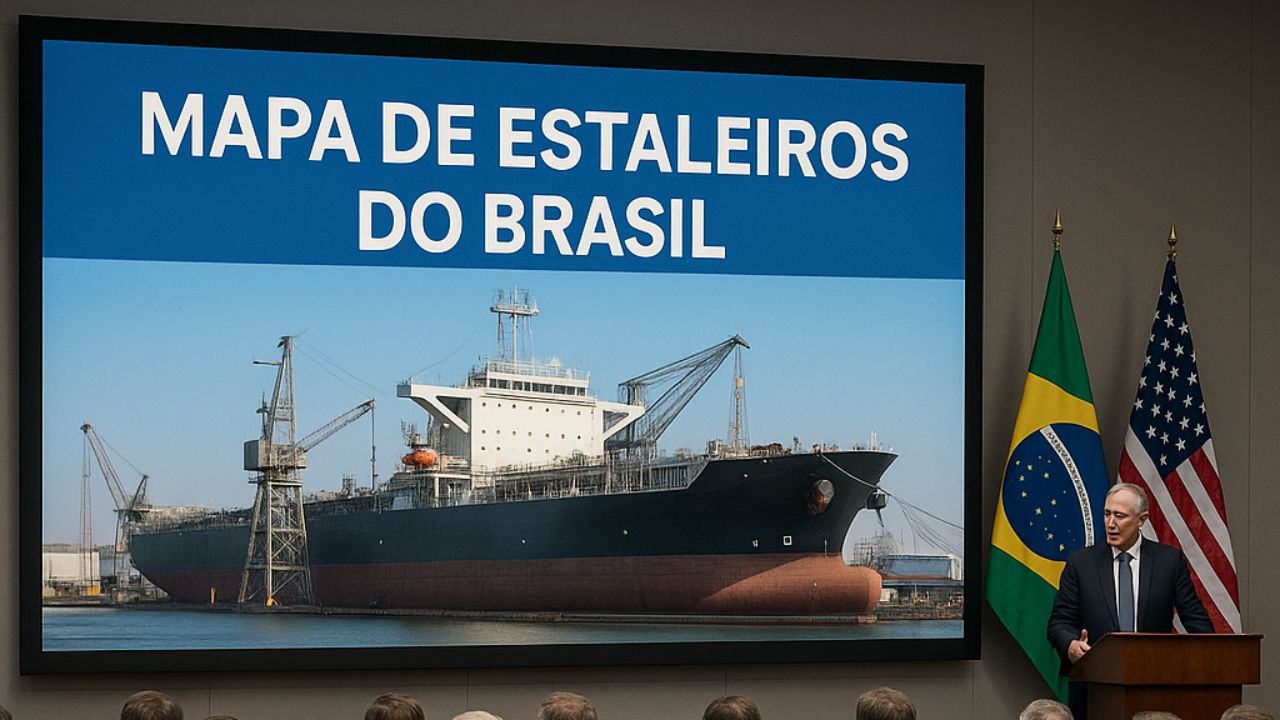
During Event in the USA, State-Owned Company Highlighted New Cycle of Investments in the Naval Sector and Presented the Map of Shipyards in Brazil
Petrobras participated in the Offshore Technology Conference (OTC) in Houston (USA) alongside entities such as IBP, Sinaval, and ApexBrasil to promote partnerships and attract investments to the Brazilian naval sector. The company presented strategic initiatives such as the Map of Shipyards and reinforced its commitment to the revival of the naval industry in the country.
Petrobras Reinforces Its Protagonism in the Naval Sector
During OTC 2025, one of the largest technology fairs for the offshore sector in the world, Petrobras partnered with the Brazilian Institute of Oil and Gas (IBP), the National Union of the Shipbuilding and Offshore Repair Industry (Sinaval), and ApexBrasil to hold the “Business Roundtable.” The meeting brought together around 200 representatives from the naval production chain to discuss business opportunities and strategic partnerships. The action was highlighted by the Petrobras Agency as a crucial initiative to strengthen the national industry and promote exchanges with foreign companies.
Map of Shipyards in Brazil Facilitates Attraction of Investments
One of the highlights of the Brazilian participation at OTC was the launch of the Map of Shipyards in Brazil, a digital platform developed by IBP in partnership with Sinaval and Petrobras. The tool consolidates updated data on the infrastructure of the country’s main shipyards, facilitating access for shipowners, operators, and international investors to Brazilian production capabilities. Petrobras president, Magda Chambriard, emphasized that the country is fully capable of establishing itself as a competitive offshore construction hub, generating jobs and regional development.
-
North Korean Fiasco: Launch of the Largest Warship Ends in Sinking

-
While giant ships still burn heavy fuel and the maritime sector races against climate targets, Maersk and Vale are starting to bet on ethanol as a new route to reduce emissions at sea.

-
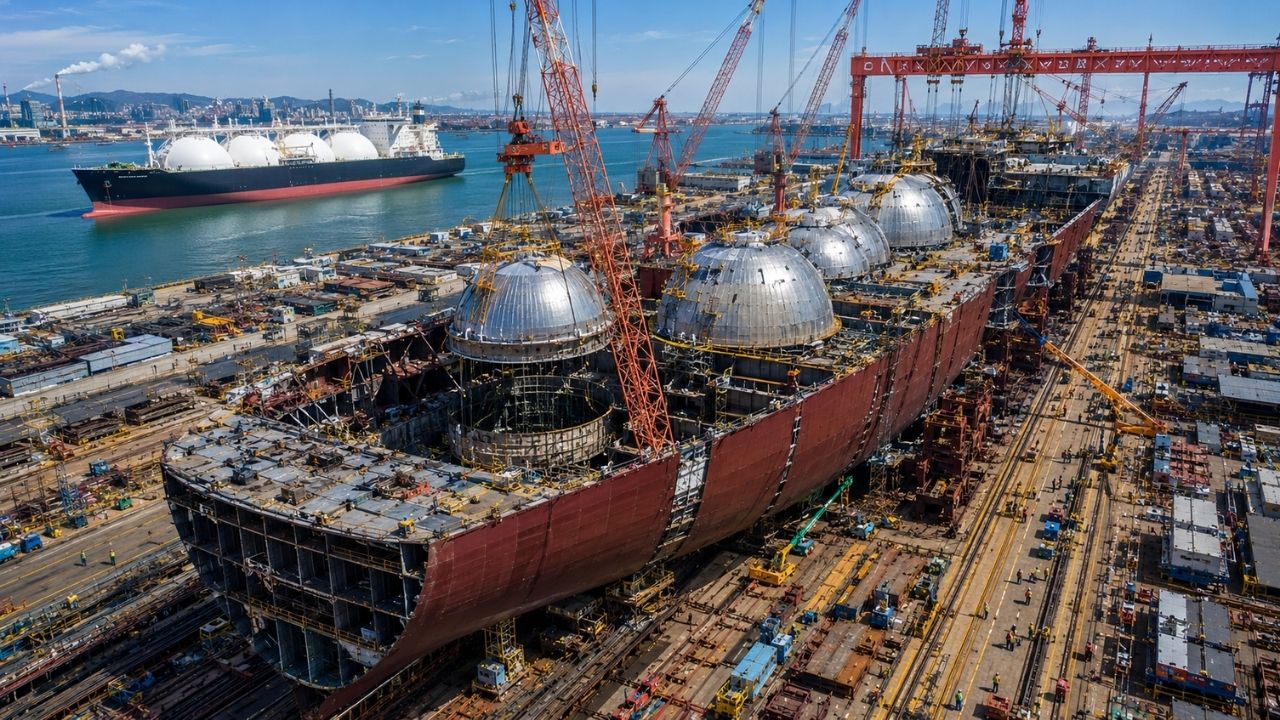
China begins construction of the world’s largest LNG ship, a 344-meter giant capable of supplying 4.7 million homes for a month, carrying 271,000 m³ of gas, and placing QatarEnergy in the largest naval order ever recorded in world history.
-
China is designing a container ship with a thorium nuclear reactor that will operate for 40 years without refueling, and the 25,000-container giant from Jiangnan Shipyard will cross oceans without emitting carbon in an industry that burns 300 million tons of fuel per year.



Petrobras Targets New Contracts and Expands Visibility
In her presentation at the event, the director of Engineering, Technology, and Innovation at Petrobras, Renata Baruzzi, stressed that enhancing demand predictability and strengthening local suppliers are strategic priorities for the company. She also highlighted that Petrobras will seek to foster new partnerships with foreign companies, prioritizing innovation, efficiency, and environmental responsibility. The state-owned company’s presence at OTC Houston represents a firm step towards greater competitiveness and strengthening the Brazilian naval sector.
Stimulus to the Naval Industry Boosts National Economic Agenda
The president of Petrobras also announced that Transpetro, the company’s transportation and logistics subsidiary, intends to order up to 25 new ships by 2030. The goal is to encourage the revival of shipbuilding in Brazil and thus contribute to job creation and economic activity. Magda Chambriard’s remarks at OTC reinforce Petrobras’ alignment with the federal government’s industrial policy, which seeks to reindustrialize the country with a focus on strategic and high-value-added sectors.






Be the first to react!