






 Portuguese
  Spanish


Petrobras Announces Tender for Two New FPSOs in Sergipe, with Innovative Technology and Treated Gas for Direct Consumption. Discover Details About Capacity, Sustainability, and Economic Impact!
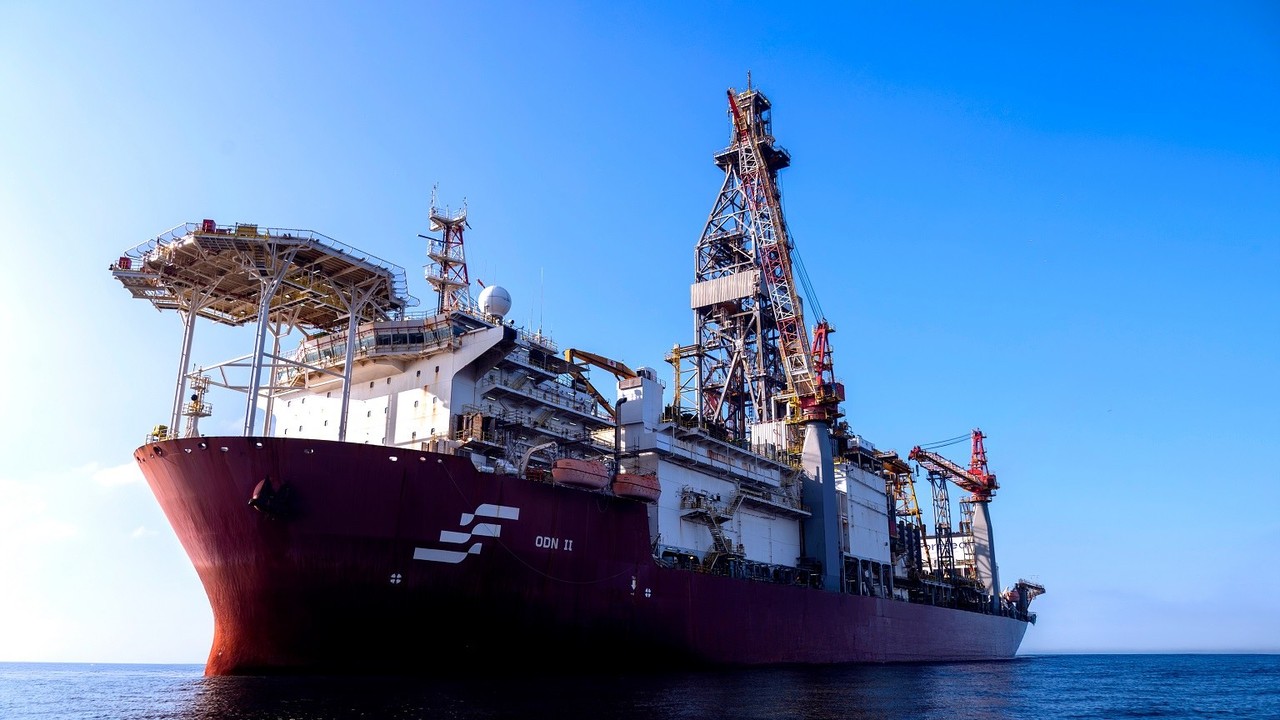
Petrobras published the notice 7004338481 on Petronect on November 30, opening a tender for supply of the FPSO units SEAP-II and an option for the FPSO SEAP-I. The proposal opening date is set for June 16, 2025.
NEW FPSOs FOR ONE OF THE LARGEST PRODUCING PROVINCES IN THE COUNTRY
The FPSOs, which will have a capacity of 120,000 barrels of oil per day (bpd) each, are part of a Build, Operate, and Transfer (BOT) contracting model.
This means that the contracted company will be responsible for designing, building, assembling, operating, and subsequently transferring the operation to Petrobras.
-
Petrobras Explores Entry into Corn Ethanol Market, Aiming to Become a Biofuel Giant

-
Brazil’s $8.5 Billion Auction Secures New Power Plants to Prevent Peak Hour Energy Shortages
-
Why Gasoline Prices Remain Stable: How Petrobras’ Subsidies and Pricing Policies Control Fuel Costs in Brazil
-
SpaceX Plans 13 km Pipeline to Reduce Truck Reliance and Speed Up Starship Rocket Launches in the U.S.


Additionally, the oil produced will be of high quality, with a density between 37 and 42 degrees API, further enhancing the project’s value in the international market.
PROJECT DETAILS: A TECHNOLOGICAL LEAP
- Liquid Capacity: 140,000 bbl/d
- Oil Production: 120,000 bpd
- Gas Processing: 12Mm³/d (up to 18Mm³/d considering both units)
- Produced Water Processing: 100,000 bbl/d
- Desalted Water Injection: 200,000 bbl/d
- Storage: 1,400,000 barrels
- POB (People On Board): 240
- Service Life: 25 years
With pipelines of 111 km at sea and 23 km on land, the treated gas will be delivered directly for public consumption, eliminating the need for a Natural Gas Processing Unit (UPGN). This innovation is made possible thanks to the heavy hydrocarbon reinjection plant (C3+), ensuring energy efficiency and cost reduction.
SUSTAINABILITY IN FOCUS: COMBINED CYCLE AND RESOURCE REUSE
Another highlight is the possibility of using combined cycle in the turbines, reducing natural gas consumption by up to 25%. The combined cycle takes advantage of the exhaust energy from the main turbines, using steam turbines to optimize energy consumption.
The produced water processing plant is connected to a water injection system, aligning the projects with the company’s most advanced sustainability practices.
LOCATION AND PARTNERSHIPS IN THE SEAP-I AND SEAP-II FIELDS
- SEAP-II: Covers the fields of Budião, Budião Northwest, and Budião Southeast, in the concessions BM-SEAL-4, BM-SEAL-4A, and BM-SEAL-10.
- Operator: Petrobras (75% in BM-SEAL-4 with ONGC; 100% in the other areas).
- SEAP-I: Serves the fields of Agulhinha, Agulhinha West, Cavala, and Palombeta, located in the concessions BM-SEAL-10 and BM-SEAL-11.
- Operator: Petrobras (60% in BM-SEAL-11 with IBV BRASIL; 100% in BM-SEAL-10).
WHAT’S NEXT?
We are reviewing the notice to update information on the minimum local content, a crucial aspect for the market and the national industry. Stay tuned for more news! What do you think of Petrobras’s strategy to boost exploration in deep waters?




Olá pessoal,
Estou com dificuldades para encontrar o edital número 7004338481. Já fiz uma busca detalhada nas publicações da Petronect, mas infelizmente não tive sucesso. Alguém poderia, por gentileza, compartilhar o link ou indicar outros locais onde este edital possa estar disponível?
Agradeço desde já pela ajuda!
O grande problema desse projeto tem sido o financiamento da licitação. Não há necessidade de incluir a planta de tratamento de gás no FPSO. A Petrobras possui uma infraestrutura gigante em terra e poderia licitar separadamente. O conteúdo nacional agrava ainda mais a questão do financiamento. Não deve dar certo de novo.
A estratégia da Petrobras em impulsionar a exploração em águas profundas, utilizando FPSOs inovadores e tecnologias sustentáveis, pode ser vista como um esforço para melhorar a eficiência e reduzir custos, mas a questão do financiamento e a necessidade de uma planta de tratamento de gás na estrutura são pontos importantes a serem considerados.