






 Portuguese
  Spanish


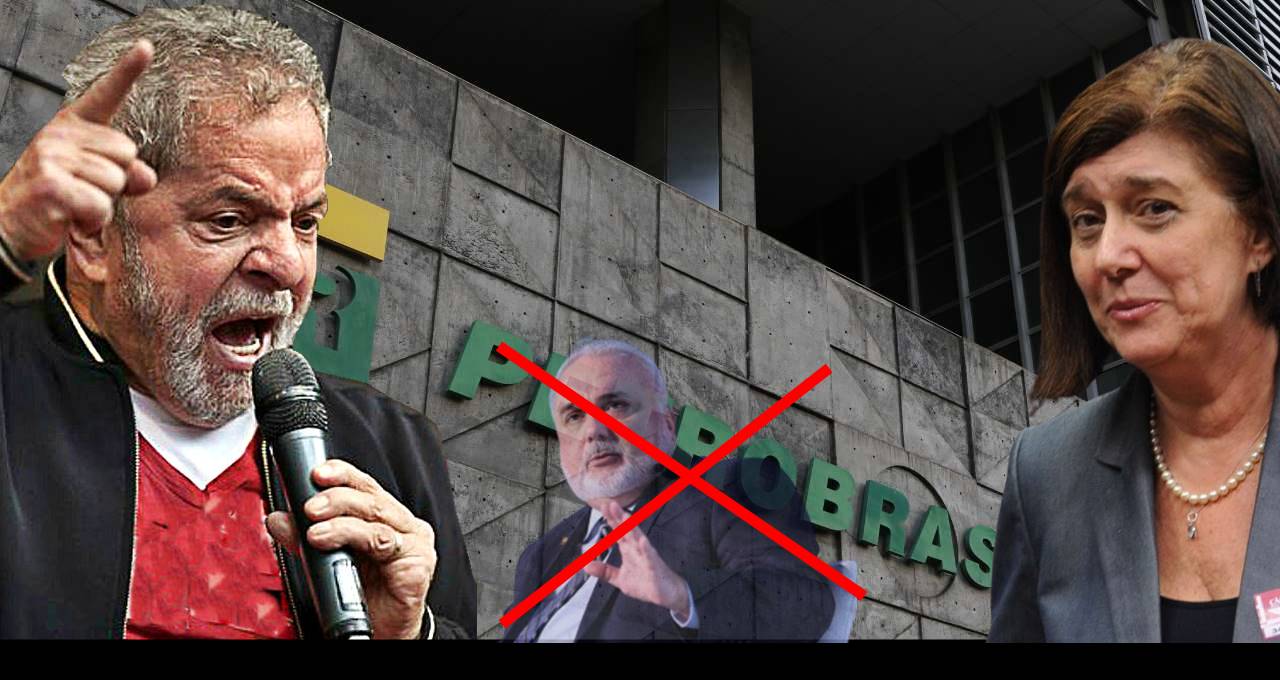

Leadership Change at Petrobras: Jean Paul Prates Replaced by Magda Chambriard as Focus Shifts to Natural Gas, Fertilizers, and Shipbuilding Industry
Petrobras has undergone an important leadership transition with the recent departure of Jean Paul Prates and the appointment of Magda Chambriard, former director of ANP (National Agency of Petroleum, Natural Gas and Biofuels). This strategic move comes at a crucial moment, reflecting not only a personnel change but also a possible shift in the company’s priorities, with a new focus on natural gas, fertilizers, and the shipbuilding industry.
The departure of Prates occurred shortly after the release of Petrobras’ first-quarter financial results, which showed a 38% drop in profit, totaling R$23.7 billion. Prates’ management, which faced criticism for not adjusting gasoline and diesel prices, was also marked by disagreements with the Minister of Mines and Energy, Alexandre Silveira, over the company’s extraordinary dividend policy.
Magda Chambriard takes over with the challenge of aligning Petrobras more closely with government expectations while attempting to reassure investors concerned about governance and the stability of the state-owned company. Chambriard’s appointment is viewed as an effort to intensify investments in strategic sectors such as natural gas, the development of the shipbuilding industry, and the fertilizer market—areas considered vital for the sustainable growth of the Brazilian economy.
-
Brazil’s 2026 Tax Refund: Record 9.58 Million Filers in Largest Payout Ever, But a Key Detail on Priority Recipients Draws Nationwide Attention

-
Itaú Alters Hybrid Work Model, Increasing Office Days from 2028, Prompting Employees to Adjust to New Routine
-
Facing Labor Shortage, Japan Plans to Invest $34 Million to Attract Foreign Workers in Construction, Healthcare, Industry, and Commerce

-
Brazilian City Makes Remarkable Leap, Becomes 4th Wealthiest in the Country with GDP of R$ 134.1 Billion




The leadership change at Petrobras also raises questions about potential political influence in the company’s administration. As the Union is the majority shareholder, Chambriard’s appointment could represent an attempt to ensure that Petrobras’ strategic decisions reflect government interests, something that has been a source of tension and uncertainty among investors.
Financial analysts, such as those from XP and Morgan Stanley, have expressed concerns about Prates’ sudden departure and Chambriard’s arrival. They point out that changes in leadership could negatively impact investment prospects for Petrobras, given the potential for government interference in the company’s operations. These concerns center on how Chambriard’s plans to accelerate investments in natural gas, fertilizers, and the shipbuilding industry will affect dividend policy and returns for shareholders.
The Importance of Petrobras and Expectations for the New Management
Petrobras, one of the global giants in the energy sector, plays a critical role in Brazil’s economy. As a leader in oil and gas exploration, the state-owned company is a foundational pillar for the country’s energy development. With Magda Chambriard at the helm, it is expected that Petrobras will not only continue its trajectory of innovation and leadership in energy but also explore new areas of sustainable growth.
Who is Magda Chambriard, New President of Petrobras and Her Goals?
Chambriard has a robust background at Petrobras and ANP, particularly in initiatives related to natural gas and sector regulation. Her experience will be vital to guide the company through an energy landscape that is increasingly focused on transitioning to cleaner energy sources and diversifying energy matrices.


In conclusion, the new leadership of Magda Chambriard at Petrobras is more than a personnel change; it is a signal of a possible strategic realignment that could strengthen the company’s position in the global market and enhance its role in Brazil’s economic and social development. With a renewed focus on natural gas, fertilizers, and revitalizing the shipbuilding industry, Petrobras is positioning itself to play a crucial role in sustainability and innovation within the energy sector.








