Portuguese
  Spanish


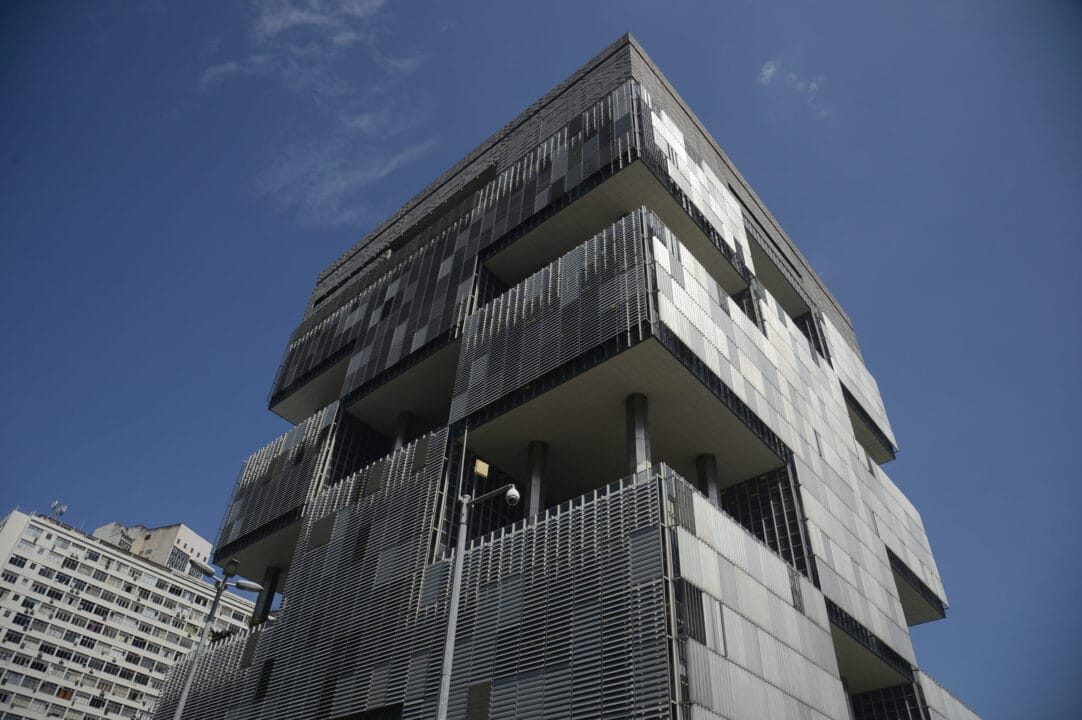

The Amount Represents an Increase of 31% Compared to the Previous Forecast (2023-2027).
On Thursday (11/23), the board of directors of Petrobras approved the company’s new business plan, which outlines investments of US$ 102 billion for the period of 2024-2028. This amount represents a 31% increase compared to the previous plan (2023-2027).
The exploration and production sector will continue to be the main recipient of the investments, with a budget of US$ 73 billion, which represents 71.5% of the total.
The first plan under the management of Jean Paul Prates and the Lula government includes a total investment of US$ 102 billion. Of this amount, US$ 91 billion is allocated for projects in the implementation phase, while US$ 11 billion is destined for projects in the evaluation phase, which are subject to additional feasibility studies before contracting and execution begin.
-
OPEC+ Boosts Oil Supply by 188,000 Barrels per Day in July 2026, Leading to Price Drop from $112 to $89 per Barrel in Under Two Months

-
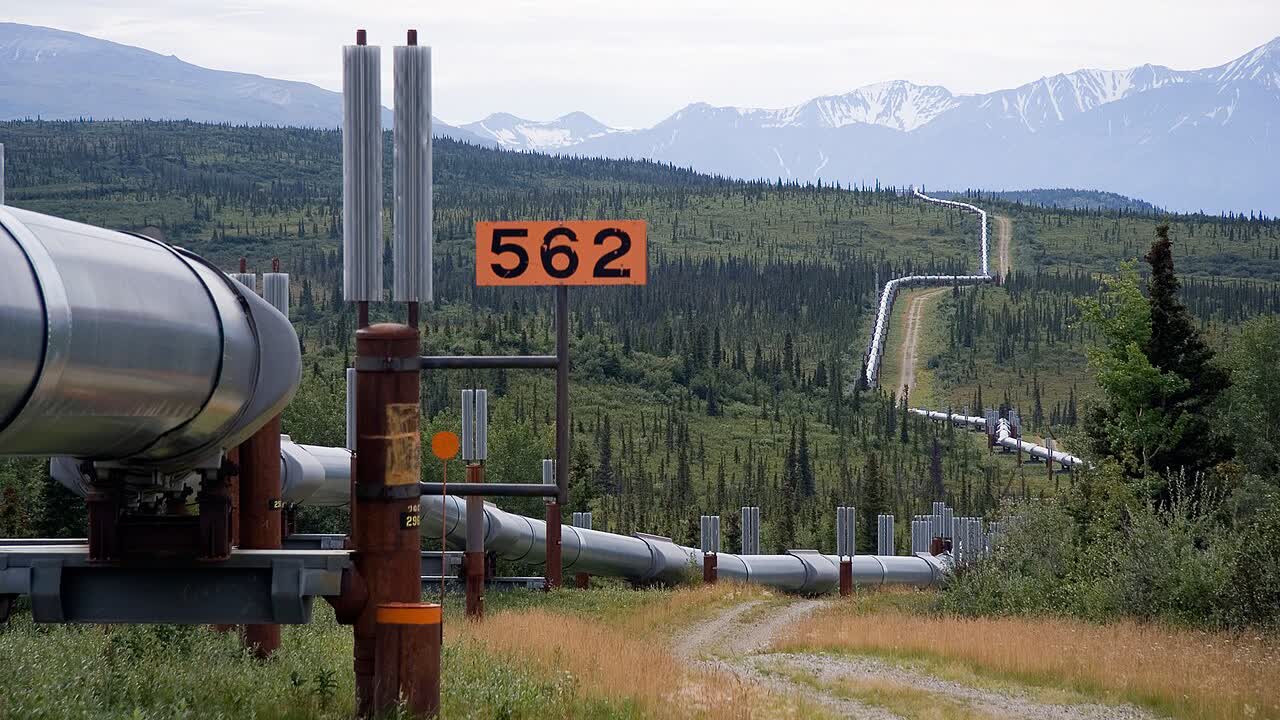
TotalEnergies Signs 20-Year Deal to Purchase 2 Million Tons of LNG from Alaska, Boosting Project Viability
-
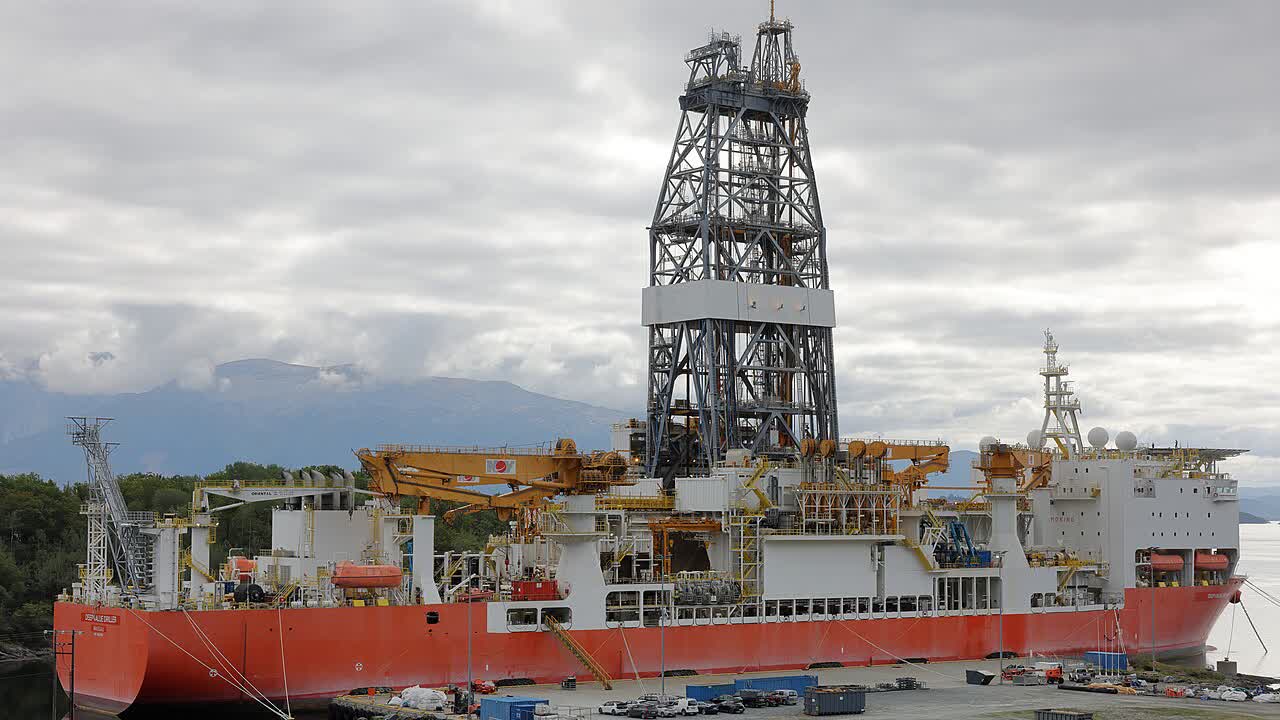
Turkey Deploys Çağrı Bey Drilling Ship to Explore New Oil Frontier Off Somalia’s Coast
-
Golden Pass LNG Ships First Liquefied Gas Cargo from the U.S., Completing $10 Billion QatarEnergy and ExxonMobil Investment

Projects in Evaluation and Investments for the Future of Petrobras
After the completion of studies and the confirmation of economic viability, projects in the evaluation phase may be transferred to the implementation portfolio, according to the company.
Petrobras emphasized that the announced investments aim to prepare the company for the future, strengthening it and initiating a process of energy source integration, essential for a fair and responsible energy transition.
The explanation provided by Petrobras for the increase in investments is primarily related to new projects underway, including potential acquisitions. Additionally, the company justified that assets that were in the divestment process have returned to the investment portfolio. Another factor mentioned was cost inflation along the supply chain.
Under Update
Source: Agência EPBR