Portuguese
  Spanish



State-Owned Company Recognizes R$ 65.3 Billion Devaluation in Several of Its Oil-Producing Fields
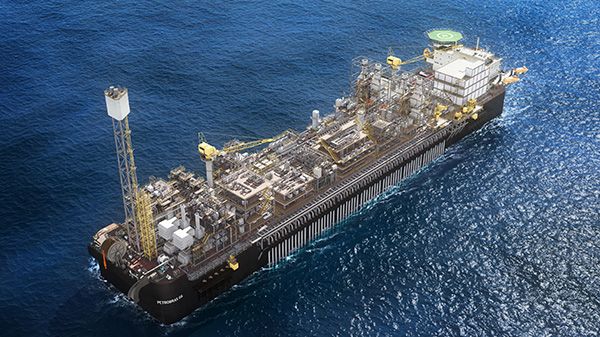
Petrobras has lived, but it has suffered. This time, due to the devaluation of oil barrel prices, the drop in commodity demand and derivatives, and the excess supply worldwide, Petrobras recognized a devaluation of R$ 65.3 billion in several oil-producing fields.
Check Out Other News:
- Global Electric Power Giant Enel is Hiring on This 17th
- Global Mining Company Nexa (formerly Votorantim) is Hiring for Minas Gerais and Mato Grosso
- Petrobras Will Hibernate 16 Onshore Rigs from Braserv in Bahia and Sergipe, and 900 Workers Will Be Laid Off
The state-owned company re-evaluated the economic recoverability of its assets in light of the current crisis in the global oil industry. According to the company, in its financial statement, “there will be a structural change in the world economy, as permanent effects of the shock caused by the current crisis on the economy are expected, as well as a change in consumer habits, which are already observed today and tend to be enduring.”
With the current scenario, Petrobras has downgraded the value of several deepwater fields, especially in Roncador, Marlim Sul; Polo Norte, Albacora Leste, Polo Berbigão-Sururu, Polo CVIT, and Mexilhão. The devaluation of this set of assets reached R$ 57.6 billion.
Meanwhile, the losses related to shallow water fields totaled R$ 6.625 billion. “The impairment of shallow water fields corresponds to 100% of the book value of these assets, which had an average production of 23 thousand barrels of oil per day,” the oil company detailed.
-
Qantas and Airbus Invest in Company Aiming to Convert Unsorted Household Trash into Jet Fuel

-
Brazil’s ANP Opens 86 New Oil Blocks in the Equatorial Margin, Expanding the Amazon River Mouth Frontier

-
OPEC+ Boosts Oil Supply by 188,000 Barrels per Day in July 2026, Leading to Price Drop from $112 to $89 per Barrel in Under Two Months

-
TotalEnergies Signs 20-Year Deal to Purchase 2 Million Tons of LNG from Alaska, Boosting Project Viability