





 Portuguese
  English
  Spanish
  4 min of reading
  0 comments


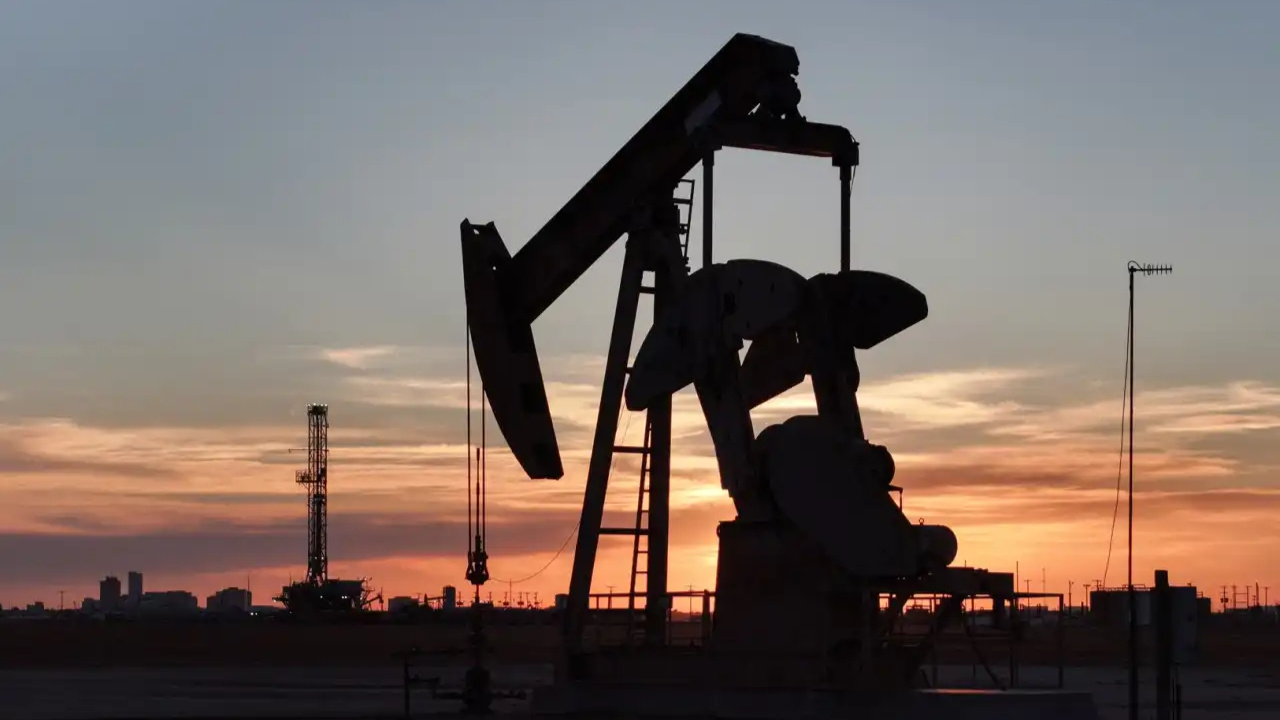
The Massive Influx of Venezuelan Oil into the United States After Billion-Dollar Deal with Washington Pressures Prices, Closes Refineries, and May Change the Game in the Global Energy Market.
The oil from Venezuela has returned to circulate in large volumes in the United States market, but not in the calm manner many expected.
After a US$ 2 billion agreement between Caracas and Washington, Gulf Coast refineries began receiving a surge of barrels that quickly created a dangerous imbalance between supply and demand.
Meanwhile, prices started to fall and some of the oil went unsold. Industry operators claim that the market was not prepared to absorb so many shipments in such a short time.
-
Farmer drills well in Ceará in search of water, accidentally finds crude oil and sees million-dollar discovery hindered by a rule that completely changes the future of the site.

-
Family finds oil on a 49-hectare site in Ceará, but exploration has no timeline or guarantee of happening

-
When drilling an artesian well, a farmer wanted water but found oil: ANP confirms that the dark liquid found by a farmer on a site in Ceará is crude oil.

-
European stocks rise with oil drop after Trump’s remarks on Iran as investors monitor global tension




Moreover, weak demand in the United States has become the first major obstacle to President Donald Trump’s plans to make the country the main destination for Venezuelan oil.
This scenario gained strength after the operation in Caracas that led to the capture of President Nicolás Maduro last month. Since then, Washington has started to reorganize the export routes for Venezuelan oil, altering the global balance of the sector.
The Agreement That Changed the Flow of Oil
After the political action in Venezuela, two global trading giants, Vitol and Trafigura, received licenses from the U.S. government to trade and sell millions of barrels of Venezuelan oil.
They joined Chevron, which already had authorization to export the product from the South American country.
Initially, part of this oil was sold to refineries in the United States and Europe. However, as shipments grew almost simultaneously, the market began to face an oversupply, especially in the Gulf Coast, the main refining hub in the U.S.


An operator summarized the tense atmosphere by saying: “We are all facing this problem, where there is more to sell and not enough buyers”. According to him, many refineries are reluctant to purchase Venezuelan oil, even with falling prices.
Falling Prices and Refineries Complaining
The oversupply of oil in the market is already putting pressure on prices. Currently, Venezuelan heavy oil shipments for delivery in the Gulf Coast are being offered at a discount of about US$ 9.50 per barrel compared to Brent.
In mid-January, these discounts ranged from US$ 6 to US$ 7.50.
Despite this, American refineries claim that Venezuelan oil is still expensive compared to heavy types from Canada, which directly compete for the same market space.
Additionally, many plants require technical adjustments to process this heavier type of oil. Therefore, according to operators, it will take time for refineries to operate again at full capacity using Venezuelan oil.
A Sea of Oil Without Destination
Vitol and Trafigura exported about 12 million barrels of Venezuelan oil in January, equivalent to approximately 392,000 barrels per day. Much of this volume was sent to storage terminals in the Caribbean and has not yet been sold.
In total, Venezuelan oil exports have jumped to about 800,000 barrels per day, up from 498,000 in December. In other words, production is growing faster than the market can absorb.
Another factor weighing in is the exit of China. The country, which was the largest buyer of Venezuelan oil, stopped receiving shipments since Maduro’s capture in early January.
The United States stated that it will continue to control the sales of Venezuelan oil indefinitely. Although Beijing still has permission to buy, American authorities said that this should not occur at prices below market.
China rejected this control, and the state-owned PetroChina instructed its traders to suspend new negotiations while they assess the situation.
India May Become the New Safety Valve
A possible outlet for the excess Venezuelan oil may be India. Trump announced a trade agreement that includes tariff reductions in exchange for fewer purchases of Russian oil and more acquisitions of oil from the United States — and possibly from Venezuela.
Last month, Reliance Industries, the Indian giant in the sector, announced that it is considering importing Venezuelan oil, which could relieve some of the pressure on the American market.
With so much oil arriving at the same time, how do you think this influx will end up affecting fuel prices?








-

-

-

-

-

12 people reacted to this.