Portuguese
  Spanish


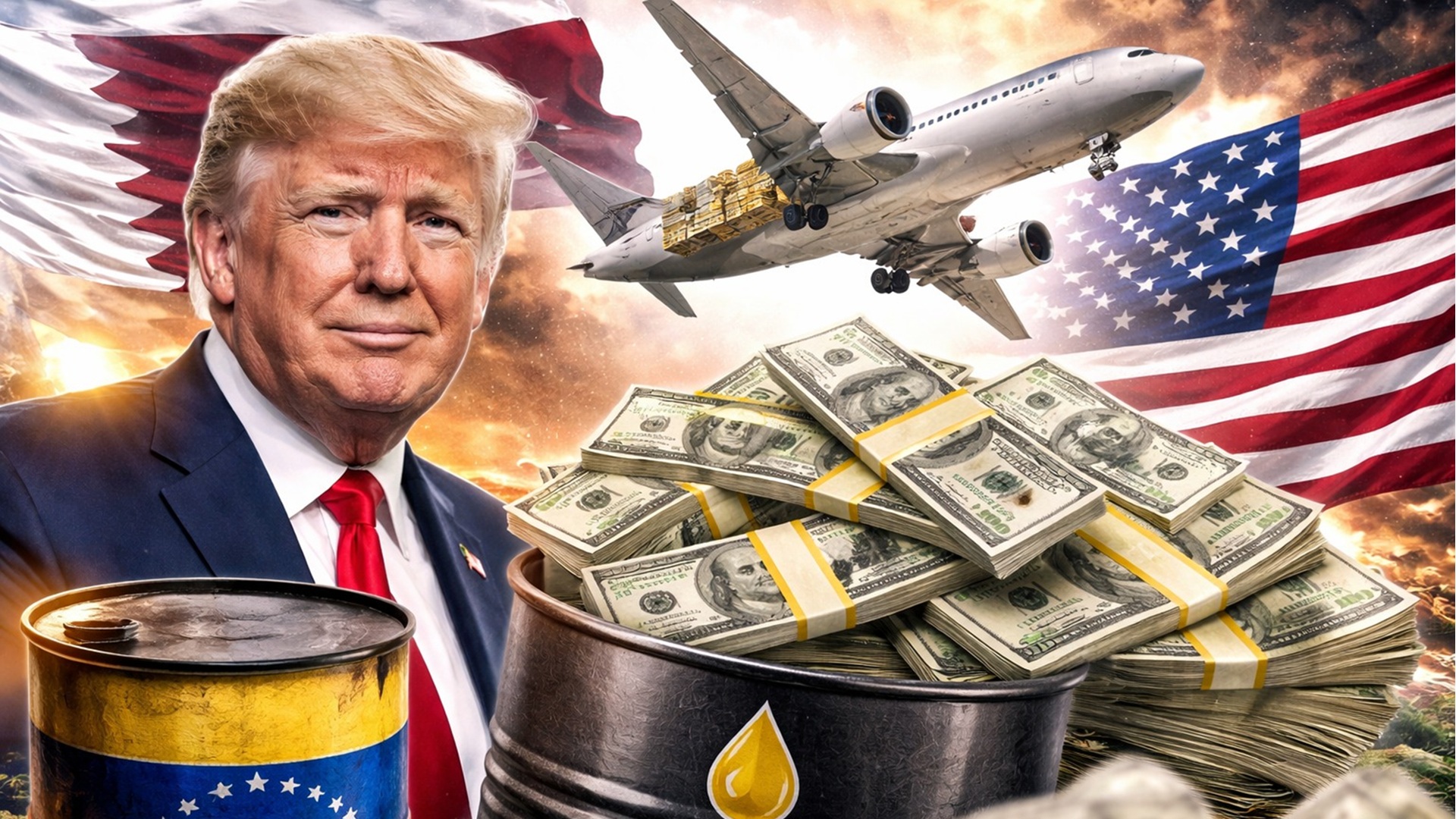


After Surpassing US$ 1 Billion In Sales, The US Government Ends Sending To Qatar, Transfers Venezuelan Oil Funds To The Treasury, Maintains US$ 5 Billion In Gross Deals And Faces Questions About The First US$ 500 Million Deposited
The US government transferred the revenue from Venezuelan oil from Qatar to a US Treasury account after sales surpassed US$ 1 billion, taking direct control of cash flow and maintaining agreements to market an additional US$ 5 billion in the coming months.
US Takes Control Of Venezuelan Oil Cash Flow
The United States has taken direct control of the cash flow from Venezuelan oil, ending the transfer of sales revenue to a bank account controlled by the US in Qatar.
The information was confirmed by Energy Secretary Chris Wright in an interview with NBC News this week. According to him, the money will no longer be directed to Qatar.
-
Brazil’s 2026 Tax Refund: Record 9.58 Million Filers in Largest Payout Ever, But a Key Detail on Priority Recipients Draws Nationwide Attention

-
Itaú Alters Hybrid Work Model, Increasing Office Days from 2028, Prompting Employees to Adjust to New Routine
-
Facing Labor Shortage, Japan Plans to Invest $34 Million to Attract Foreign Workers in Construction, Healthcare, Industry, and Commerce

-
Brazilian City Makes Remarkable Leap, Becomes 4th Wealthiest in the Country with GDP of R$ 134.1 Billion




Wright stated that the revenue obtained from Venezuelan oil sales has exceeded US$ 1 billion. The amount will now be managed directly by the US Treasury.
Additional Sales Of US$ 5 Billion In Crude Oil
In addition to the amount already raised from Venezuelan oil, the US has made short-term agreements to sell an additional US$ 5 billion in crude oil in the coming months.
According to Wright, the shipments made so far have been sent to refineries located in the United States and Europe.
The control of exports occurred after the detention of former President Nicolás Maduro in a military operation last month, when the Trump administration took over the management of Venezuelan exports.
First US$ 500 Million Held In Qatar Raise Questions
During the conversation with NBC, Wright stated that the first US$ 500 million from the sale of Venezuelan oil was deposited in an account in Qatar before being transferred to Venezuela.
The way the account was managed has come under scrutiny from lawmakers. Questions have arisen regarding the management of funds and the legal validity of the established agreement.
Democratic Senate Leader Chuck Schumer and Senator Adam Schiff introduced a bill requesting that the Government Accountability Office conduct an independent audit of the account maintained in Qatar, as reported by CNBC.
Trump Mentions Possible Deal With China And Trade Agreement With India
Earlier this month, President Donald Trump stated that China could reach an agreement with the United States to acquire Venezuelan oil.
Simultaneously, Trump announced that the US and India had reached a trade agreement that includes the elimination of trade barriers by India and a reduction of US tariffs on Indian imports from 25% to 18%.
The agreement also removes the additional 25% tariff that had previously been imposed on Indian products due to India’s purchase of Russian oil.
Commenting on the understanding, Trump stated that Prime Minister Narendra Modi agreed to stop buying Russian oil and to acquire more oil from the United States and, potentially, from Venezuela.
Measures related to Venezuelan oil and trade agreements are part of the strategy adopted by the US government to control revenues and reconfigure energy export flows.
Notice: This content was partially produced with the aid of AI tools and reviewed by Benzinga editors, as indicated in the original material.