





 Portuguese
  English
  Spanish
  2 min of reading
  0 comments


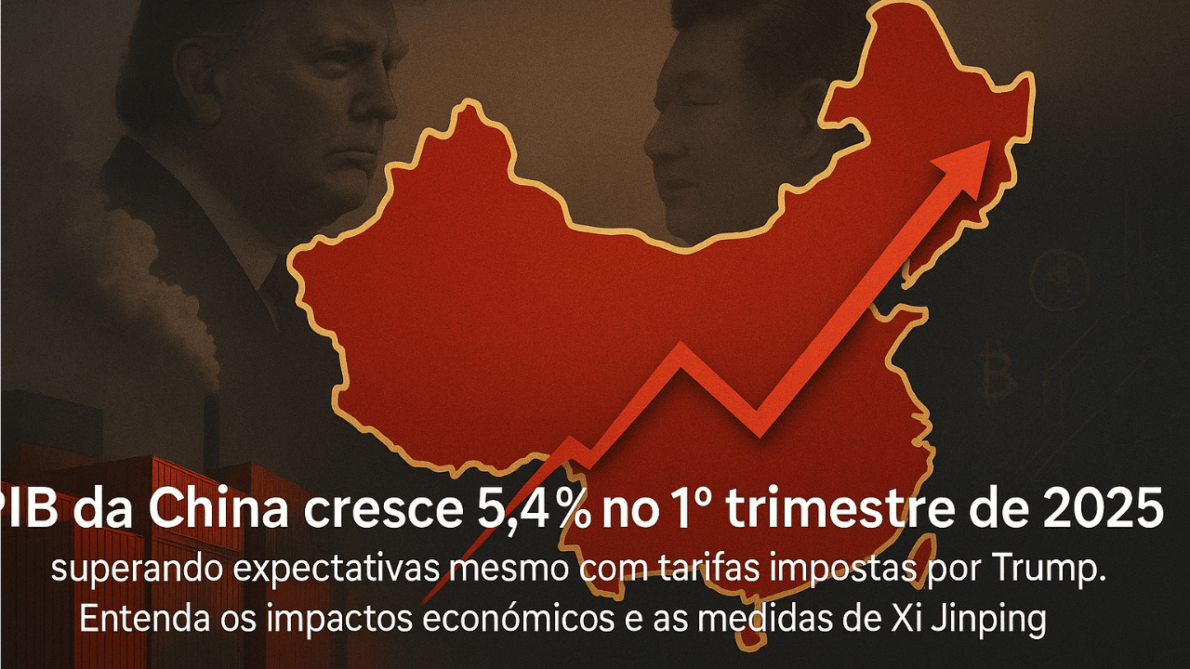
China’s GDP Grows In 2025, Surpassing Expectations Despite Tariffs Imposed By Trump. Understand The Impacts And Measures Of Xi Jinping.
Beijing, April 2025 – China surprised the market by announcing a growth of 5.4% in its Gross Domestic Product (GDP) in the first quarter of 2025, surpassing analysts’ expectations, which had projected an increase of 5.1%.
The data, released by the National Bureau of Statistics, reflects the positive effects of a set of fiscal and monetary policies implemented by Xi Jinping’s government to stimulate the economy amid an increasingly challenging international scenario.
The result is seen as a sign of resilience in the face of escalating trade tensions with the United States, which, under Donald Trump’s administration, have imposed progressive tariffs on Chinese products since the beginning of the year.
-
China did not like the decision by the U.S. to place BYD, Alibaba, and Baidu on a list linked to the Chinese military sector.

-
China imposes sanctions on the Philippine Defense chief, bans entry to Hong Kong and Macau, and turns criticisms over the South China Sea into a new diplomatic crisis that could bring Manila even closer to the US.

-
Somali referee was close to fulfilling his dream of officiating at the World Cup, was barred in the USA and returned home welcomed as a hero in Somalia
-
Discovery of floating structure in Scarborough prompts Philippines to act and increases international attention on the South China Sea

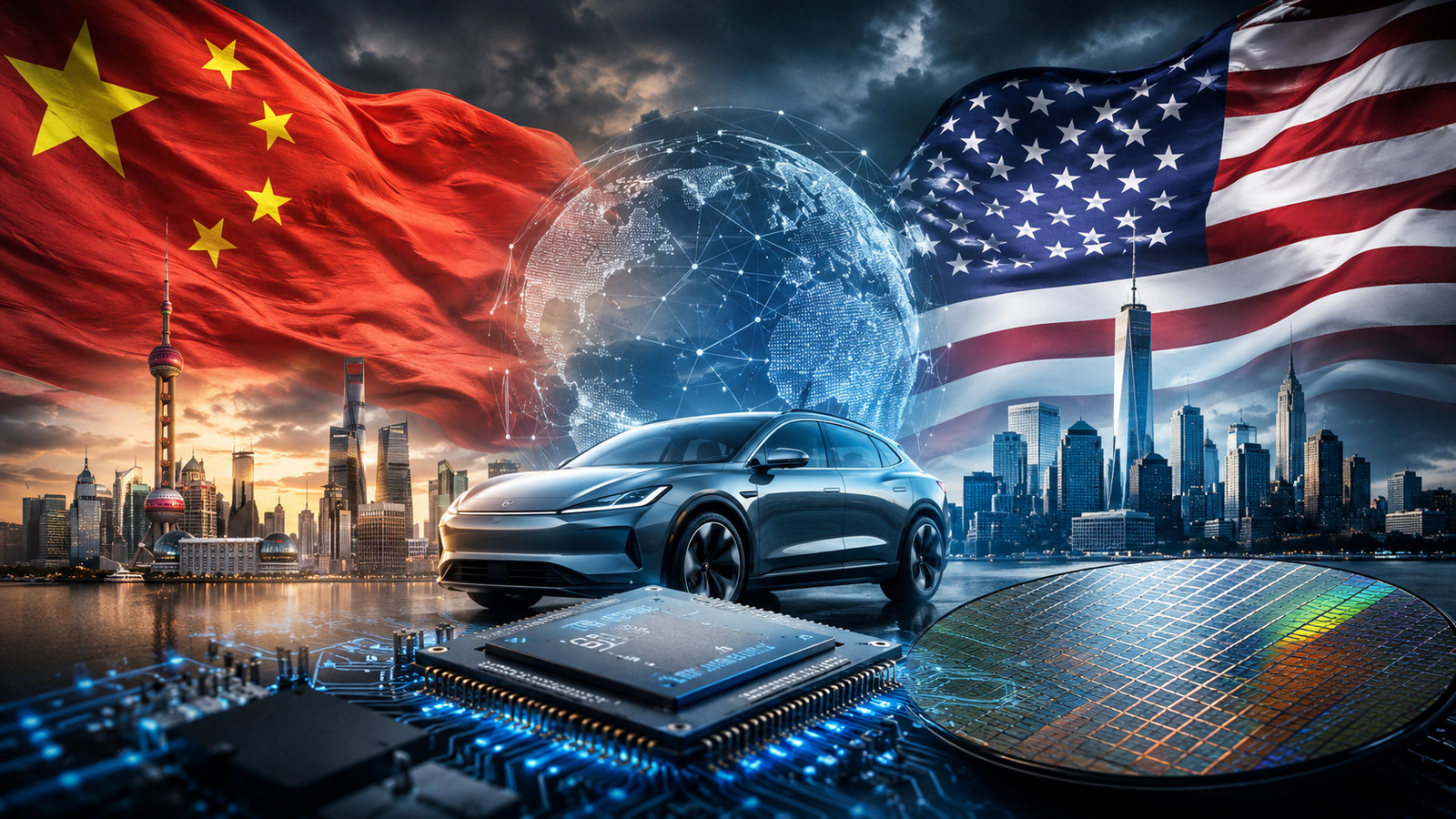



The tariffs jumped from 20% to as much as 145%, affecting strategic sectors of the Chinese industry, with the exception of segments related to medical technology and semiconductors.
In response, the government also imposed tariffs of up to 125% on American products, intensifying the trade dispute between the two largest economies in the world.
In addition to GDP growth, other indicators reinforce the positive moment of the Chinese economy. Industrial production grew 6.5% during the period, while retail sales increased by 4.6% year-on-year, suggesting a gradual recovery of internal demand, which had previously been impacted by a slowdown in household consumption.
Despite the positive numbers, the National Bureau of Statistics highlighted that there are still significant challenges ahead. “The foundation for a sustained recovery still needs to be solidified,” said Deputy Commissioner Sheng Laiyun, who also warned of the risks of new external shocks and the need for more coordinated economic policies.
Economists point out that, although growth has surpassed expectations, the international environment remains unstable, and new stimulus measures may be necessary if tensions with the U.S. persist.
Xi Jinping’s government has already signaled its intention to bolster investments in infrastructure, innovation, and domestic consumption, seeking to reduce dependence on exports.
The Chinese performance at the beginning of 2025 becomes even more relevant considering the slowdown observed in other major economies, such as the Eurozone and Japan, which are affected by high interest rates and low business confidence.







Be the first to react!