





 Portuguese
  English
  Spanish
  3 min of reading
  1 comment





Many Drivers See This Sign Every Day, But Few Know Its True Meaning. See The Details Of Other Traffic Signs
Those starting the licensing process in Brazil often face a real challenge: the impressive number of traffic signs that need to be understood and memorized.
The Brazilian Traffic Code (CTB) presents a wide range of signage, divided into warnings, recommendations, prohibitions, obligations, and restrictions.
But what many people do not know is that, in addition to the most common signs, such as “stop” or “sharp turn,” there are rare, unusual, and even curious signs that are part of the road landscape of the country.
-
A mechanic warns: Car air conditioning can hide bad odors, fungi, and strained parts if the driver ignores 5 simple care tips that make a difference in heat, cold, and even on long trips.

-
“Brazilian Elon Musk” unveils prototype of the Lecar 459, a car capable of running up to 1,000 km with a 165 hp electric motor and a hybrid system that dispenses with direct traction from the combustion engine.

-
How much does it cost to keep the POLO Comfortline TSI 200 in the garage?
-
Once beloved in Brazil, sedans plummeted from 29% to just 12% of the market in 10 years, while SUVs jumped from 14% to nearly 55%; understand the numbers and the changes that turned the game at dealerships.



Types Of Traffic Signs And Their Basic Meanings
In general, traffic signs differ by colors and shapes. Those with a red border, for example, indicate restrictions and obligations.
When they present a circle cut by a line, they signal prohibitions, such as the famous “do not overtake.”
Yellow signs serve as alerts for situations of imminent risk, being known as vertical warning signage.
Ten Unusual Signs And Their Meanings
On Brazilian roads, yellow signs warning about sharp curves or animals on the road are common. However, there are rarer signals that often surprise even very experienced drivers. Here are some examples of seldom-seen signs and their functions in traffic.
Lateral Wind (A-44)
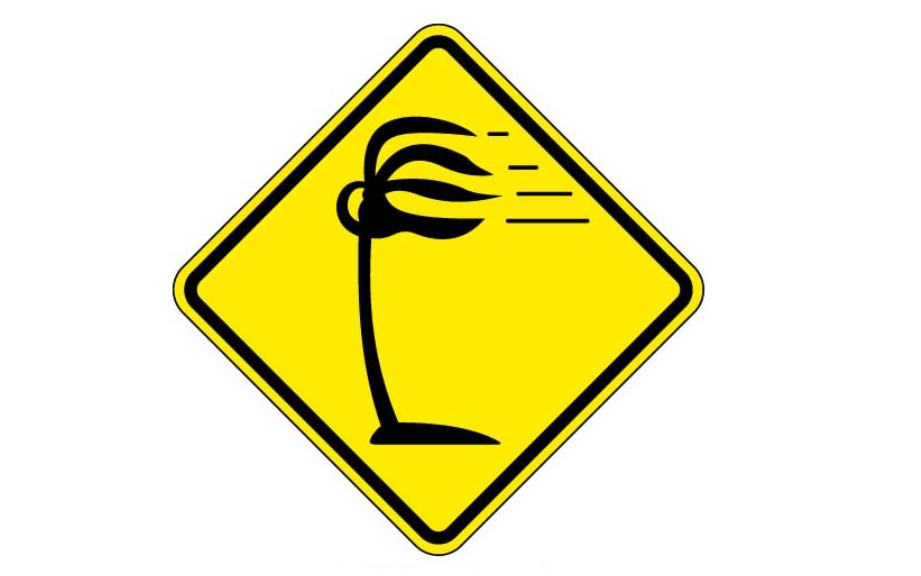
This sign alerts drivers to stretches where strong lateral winds may occur. This type of wind can compromise the stability of vehicles, especially trucks and buses, requiring extra caution.
Successive Opposing Junctions (A-11a and A-11b)
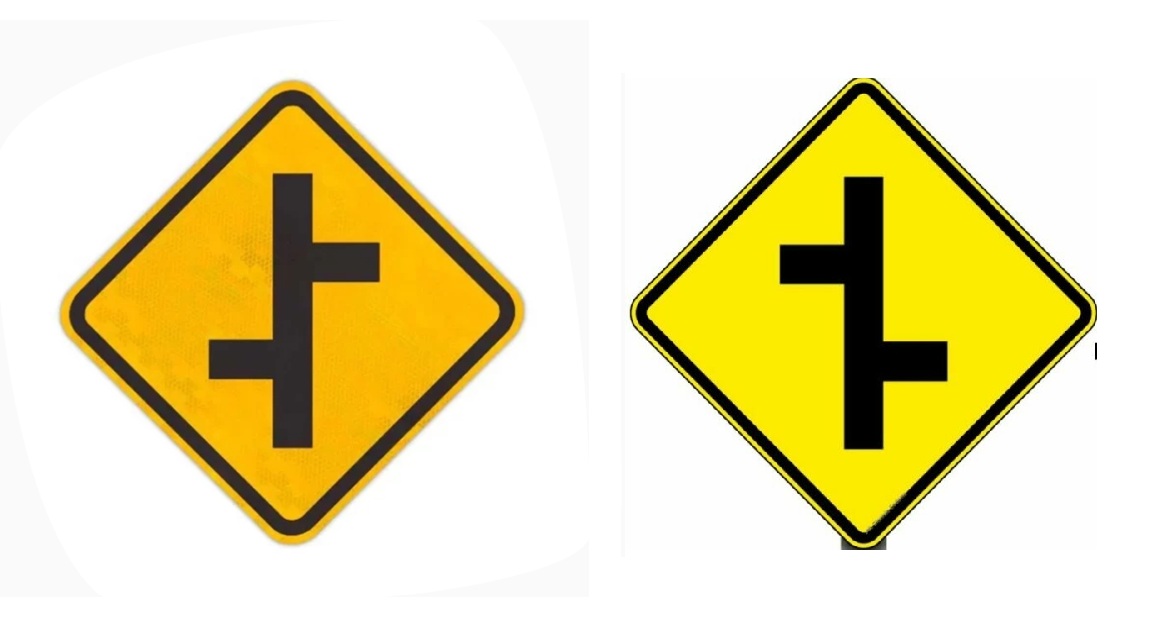
Indicates that there are closely spaced intersections, something common on roads connecting urban and rural areas. The driver should reduce speed and be alert to vehicle movement in both directions.
Gravel Projection (A-29)
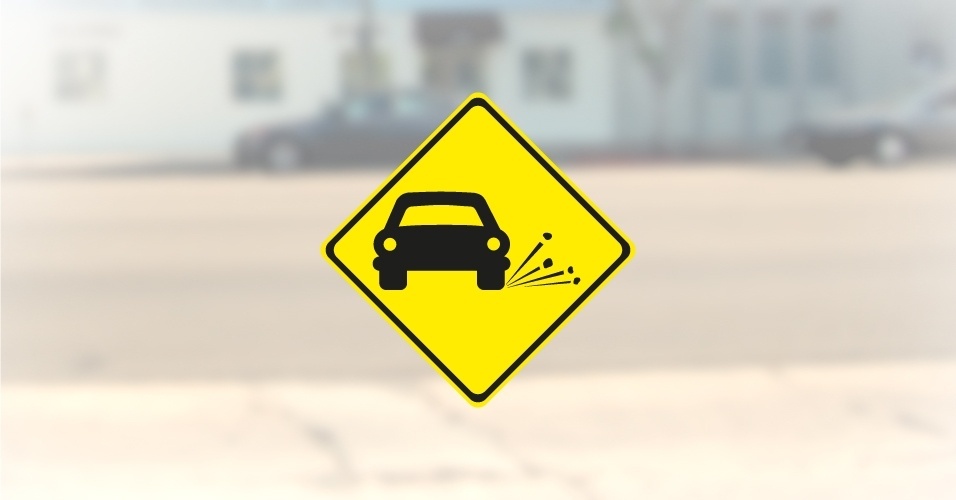
This sign is used to warn about stretches where gravel or other loose materials may be thrown against vehicles. This type of signaling is more common on unpaved roads or in construction areas.
Drawbridge (A-23)
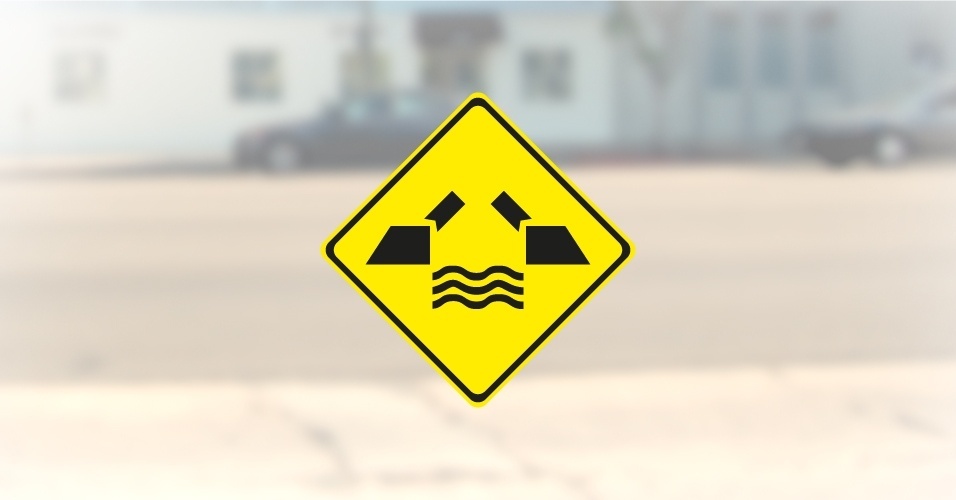
Alerts about the presence of a drawbridge ahead, which may temporarily interrupt the flow of vehicles. This type of bridge is common in port regions or near navigable rivers.
Grade Crossing Without Barrier (A-39)
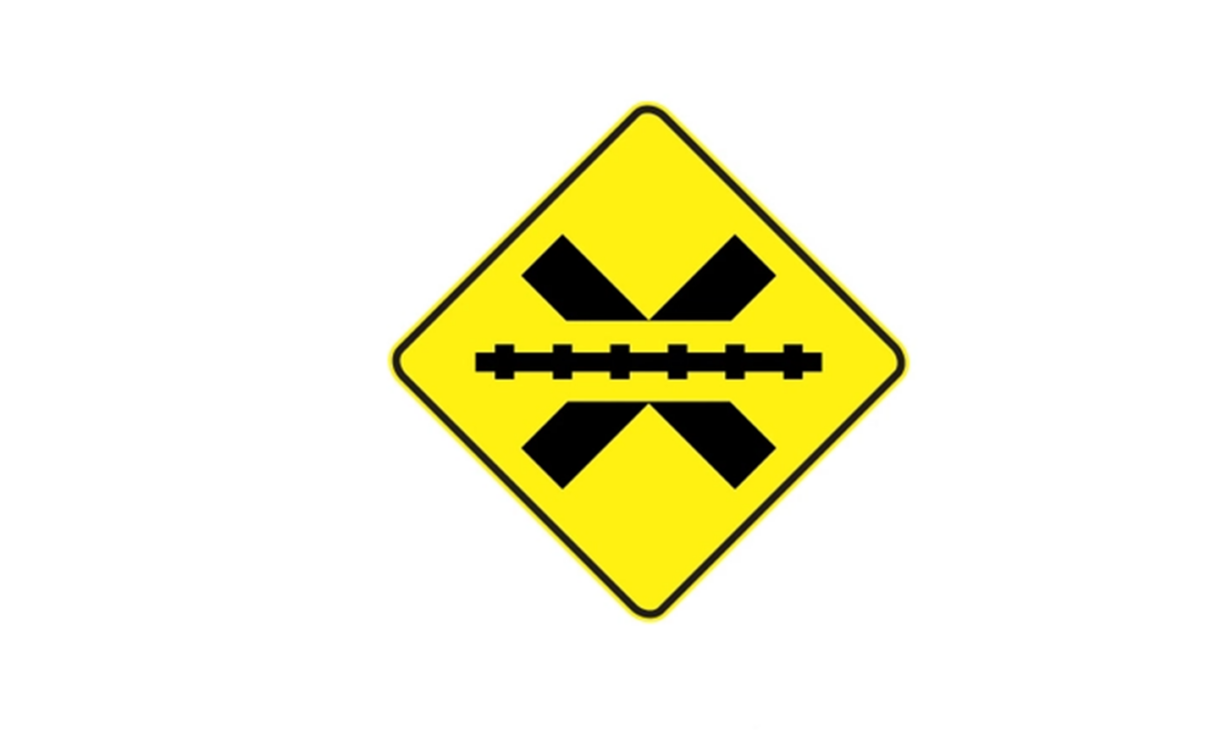
Warns about crossings with railway lines that do not have protective barriers. This is crucial signage in rural and suburban areas.
Customs (R-21)
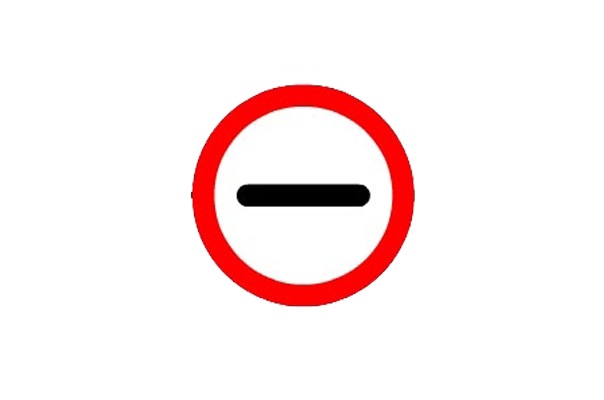
Indicates the presence of a customs agency, where stopping is mandatory. This sign is seen in border areas or dry ports.
7. Prohibited Passage For Hand Carts (R-40)
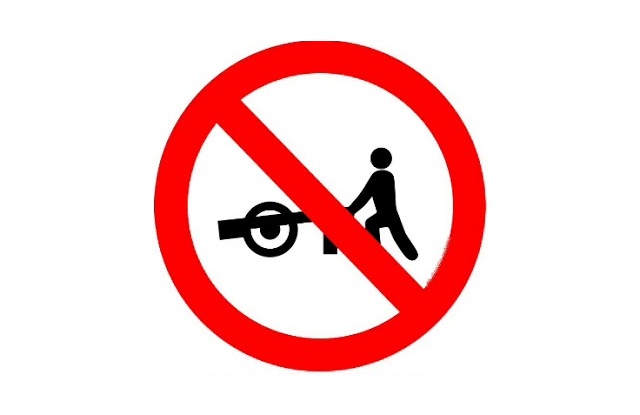
Rare in urban areas, this sign prohibits the passage of hand carts in certain stretches, usually for safety reasons or to maintain traffic flow.
Mandatory Use Of Chains (R-22)
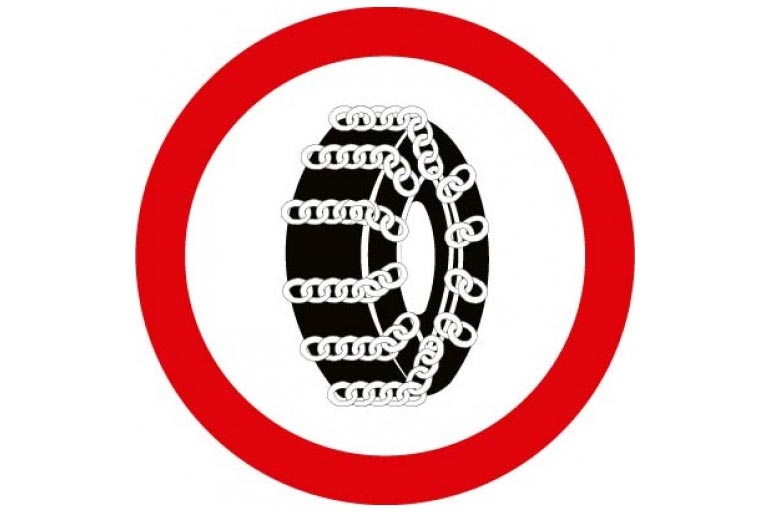
This is mandatory signage on roads where using chains on tires is essential, such as in snowy, muddy, or boggy areas. In Brazil, it is more common in mountainous or rural areas.
Curiosities About Traffic Signs
In addition to their practical functions, these signs reflect the particularities of Brazilian roads. Many are adapted to local conditions, such as stretches subject to intense winds or areas where interaction with railways is frequent.
Even though they are less seen, this signage is essential for ensuring safety and organization of traffic in specific situations.
The diversity of signs also shows the complexity of highways in Brazil. From urban intersections to remote roads, each stretch requires attention and knowledge. Drivers should familiarize themselves with these signs to avoid surprises and ensure a safer trip.





Muito bom esse tipo de informação,pq muitos motoristas não procuram se atualizar e muitos não tem ideia de qto é importante obter esse conhecimento.