Portuguese
  Spanish


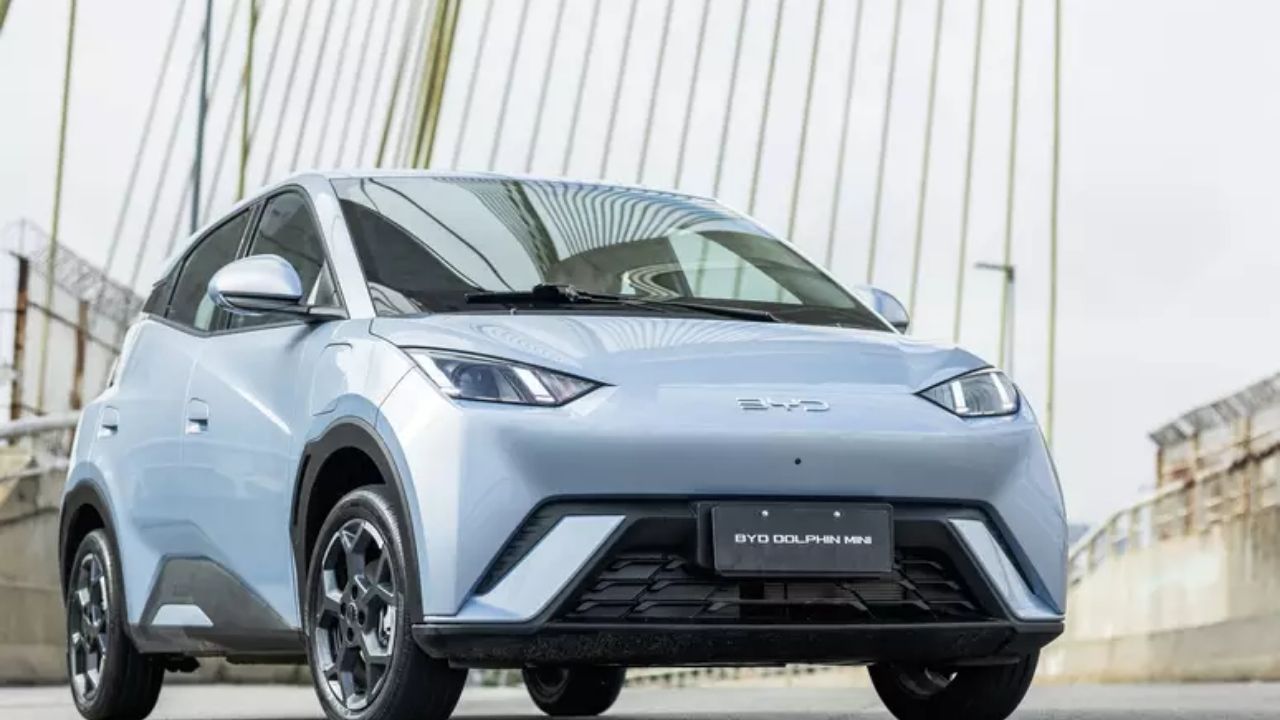

BYD Dolphin Mini recorded an average of 15.1 days to be resold in April, according to Indicata, ahead of HB20, Onix, and Polo. The survey shows used and semi-new electric cars with more liquidity in Brazil, despite the still strong depreciation and the recent drop in new car prices.
The BYD Dolphin Mini used became the fastest-selling semi-new in Brazil in April 2026, according to a survey by Indicata. The compact electric registered an average time of 15.1 days to change owners, ahead of popular combustion models like Hyundai HB20, Chevrolet Onix, and Volkswagen Polo.
According to the portal Itatiaia, the performance is noteworthy because it shows a change in the behavior of the Brazilian market. Semi-new electric cars, once viewed with skepticism by consumers, are starting to gain liquidity in stores, although the depreciation still weighs among used electrics.
BYD Dolphin Mini surprises in the semi-new market
The main data from the survey is the duration of the BYD Dolphin Mini in stock. In April, the model took an average of 15.1 days to be resold, a mark lower than traditionally strong cars in the used market.
-
How to Identify and Remove Superficial Scratches Before Spending on Car Bodywork

-
Electric Car with Extended Range: Company Patents Hybrid Transmission System Using Gasoline Engine for Backup
-
GM Developed the Chevette to Rival the Beetle, Launched it in Brazil Before Europe, Sold 1.6 Million Units, and Left a Generation with Gas Station Trauma

-
Caoa Changan CS75: New Model with 1.5 Turbo Flex Engine and 8-Speed Automatic Priced $4,000 Less in Brazil


This result places the compact electric in a prominent position within the automotive retail. The liquidity indicates that when it appears in stores, the model quickly finds a buyer, at least in the segment analyzed by Indicata.
The speed of resale also shows that the interest in used electrics is no longer just curiosity. Consumers are beginning to consider these models as a real alternative, especially when the price of the semi-new becomes more accessible than a brand-new electric.
Even so, the phenomenon needs to be read with caution. Selling quickly does not necessarily mean depreciating little. The source itself points out that electrics still lead value losses in the Brazilian market.
HB20, Onix, and Polo stayed longer in stores

The comparison with popular combustion models helps measure the size of the change. While the BYD Dolphin Mini recorded an average of 15.1 days, the Chevrolet Onix had 48.1 days, the Hyundai HB20 had 45.5 days, and the Volkswagen Polo had 46.2 days.
These cars are known for their strength in the national market, extensive maintenance network, and high presence on the streets. Therefore, the result of the electric car draws even more attention within the survey.
The data does not mean that electric cars already dominate the used market, but it shows that some specific models are moving faster than very well-known popular hatchbacks.
The time difference also suggests that there is concentrated demand for certain electrified vehicles. In this scenario, the Dolphin Mini seems to benefit from the price, urban appeal, and the growing visibility of BYD in Brazil.
Other BYD models also show good liquidity
The Indicata survey not only highlighted the BYD Dolphin Mini. The BYD Dolphin appeared right after, with an average of 15.8 days for resale, while the Song Pro, the brand’s plug-in hybrid, recorded 17.9 days.
The presence of three BYD models among the fast-moving vehicles reinforces a change in the behavior of the Brazilian buyer. The Chinese brand, which grew rapidly in the country, is also starting to gain strength among semi-new cars.
This movement is important because one of the doubts about electric cars has always been resale. Many consumers feared buying an electrified model and finding it difficult to sell later.
The April numbers indicate that this perception is beginning to change in part of the market. At least among the analyzed models, BYD’s electrified vehicles appear with a short time in stores.
Growth of electrified vehicles helps explain the movement


The liquidity of used electric vehicles follows the growth of electrified vehicles in Brazil. In April, the country recorded more than 43 thousand registrations of electric and hybrid cars, an increase of 119% over the same period in 2025.
Only fully electric vehicles accounted for more than 17 thousand units sold in the month, setting a new record for the segment. This progress increases the public’s familiarity with the technology.
The more electric vehicles on the streets, the greater the consumer’s confidence tends to be. The charging network, the presence of Chinese brands, and the dissemination of information about batteries also help reduce some of the doubts.
Used vehicles become an entry point for those who want to experience an electric vehicle without paying the full price of a new model. This factor may explain part of the resale speed of the BYD Dolphin Mini.
Depreciation still weighs on electric cars
Despite good liquidity, electric vehicles continue to face a sensitive point: depreciation. Data from the IBV Auto index cited in the source indicate that models launched in 2023 accumulate losses of up to 45.6% in resale value.
Even with the quick turnover of the BYD Dolphin Mini, depreciation remains a point of attention for used and semi-new electric vehicles. The Indicata survey shows liquidity, but the buyer still needs to compare price, warranty, battery, and recent declines in new car values.
This decline is influenced by various factors, including the reduction in new car prices and the arrival of new Chinese brands in Brazil. When the new car becomes cheaper, the semi-new must adjust to remain competitive.
This is the current paradox of used electric vehicles: some sell quickly, but can still lose value intensely. For the buyer, this may represent an opportunity. For those who bought new, it may mean a greater loss on resale.
In the case of the BYD Dolphin Mini, the quick turnover shows demand, but does not eliminate the need to observe price, battery condition, warranty, usage history, and comparison with new versions.
Brazilian market begins to test confidence in battery and resale
Until a few years ago, one of the main barriers for used electric vehicles was the doubt about the battery. Many buyers did not know how to assess durability, repair cost, warranty, and the component’s lifespan.
With more models on the streets, this discussion becomes less abstract. Consumers start to see real reports, compare range, follow maintenance, and better understand the daily use of an electric vehicle.
The quick resale of some models suggests that confidence is increasing, but it is not yet fully consolidated. The market is still in a learning phase, both for retailers and buyers.
The trend is that the evaluation of pre-owned electric vehicles will become more technical. Mileage, battery health, remaining warranty, and price compared to the new car should increasingly weigh in the decision.
BYD Dolphin Mini shows a new phase for used electric vehicles

The performance of the BYD Dolphin Mini in April shows that the Brazilian market for pre-owned vehicles has entered a different phase. The compact electric sold faster than popular combustion models and drew attention to the liquidity of electrified vehicles.
The change does not erase the challenges. Depreciation is still strong, competition among Chinese brands pressures prices, and consumers need to carefully evaluate each used unit.
Even so, the result points to a significant shift: pre-owned electrics are no longer seen merely as hard-to-resell products. In some cases, they can move in stores in less than 20 days.
In the end, the BYD Dolphin Mini shows that the used car market has also entered the electric era.
Would you buy a pre-owned electric car today or do you still think it’s safer to stick with traditional combustion models? Share your opinion.