Portuguese
  Spanish


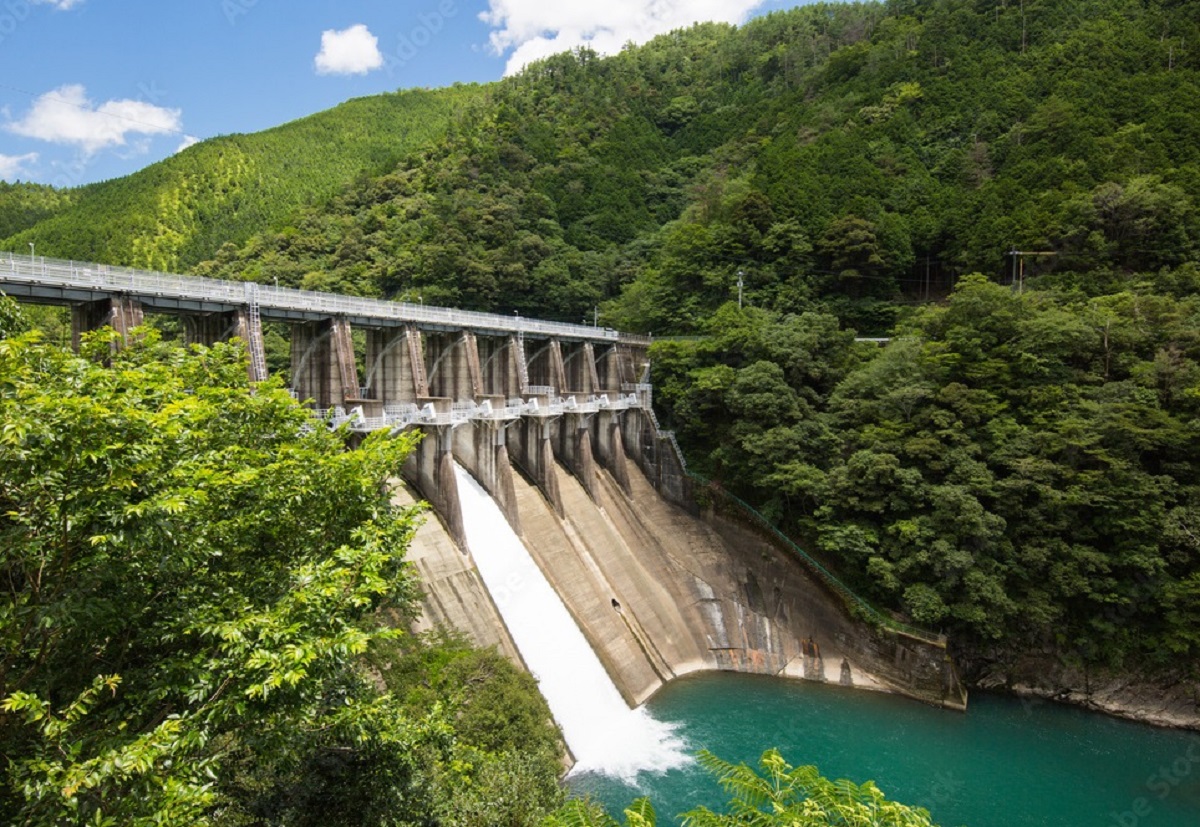

The Document Preparation Was Carried Out by a Working Group Led by the Ministry of Mines and Energy and, According to the Government, Its Goal Is to Gradually Recover the Storage Levels of the Reservoirs of the Hydroelectric Plants in the Country
This Monday (the 11th), the government approved the resolution that establishes the recovery plan for the reservoirs of Brazilian hydroelectric plants. The guidelines behind this plan were debated in a meeting of the National Energy Policy Council (CNPE), and its preparation had been instituted by the Eletrobras privatization law. In April, a working group was formed to prepare the document.
Resolution Must Await the Review and Approval of the President of the Republic
The working group responsible for drafting the plan, called the Recovery Plan for the Regulation Reservoirs of Hydroelectric Plants in the Country (PRR), was coordinated by the Ministry of Mines and Energy (MME), with participation from the Energy Research Company (EPE), the National Electric System Operator (ONS), and the Ministry of Regional Development (MDR).
The federal government stated in a note that the plan will be favorable for structuring actions – some of which are already underway – aimed at recovering the reservoirs of regularization hydroelectric plants, through a multisectoral assessment that considers both national energy supply and the preservation of water uses.
-
99Food Under Investigation by Brazilian Consumer Protection Agency for Lack of Price Transparency, Faces Potential $2.8 Million Fine

-
Race for data centers in Brazil increases pressure on critical energy

-
Growth without profit has become one of the most costly management mistakes in Brazil.

-
Anvisa blocks batch of antibiotic after unexpected discovery in sealed vial and also suspends clindamycin with impurities and saline solution used in intravenous application




Additionally, the government also informed that among the planned goals is the gradual recovery of the storage levels of the reservoirs of Brazilian hydroelectric plants.
From this perspective, it is important to highlight that between 2020 and 2021, Brazil faced its worst water crisis in 91 years, which threatened the reservoirs of hydroelectric plants and put the integrity of the National Interconnected System (SIN) at risk.
More Details About the Plan Will Be Determined by the Government in the Coming Days
Within 210 days, the Ministry of Mines and Energy will establish and submit for public consultation the goals and global monitoring indicators of the plan. According to the document, the implementation will contribute to the development of actions by multiple competent institutions, with oversight from the MME, EPE, MDR, and ONS. The CNPE will be responsible for evaluating the progress of the work annually.
The government emphasizes that the initiative is of great importance, as it will help improve the existing cooperation between assessments of the national electricity sector and the management of various water uses. Thus, benefits will be provided to be recognized by society as a whole, in terms of water and energy security, which will stimulate Brazilian socioeconomic development and the creation of jobs and income.
Read Also This Article: Hydroelectric Plants Are Key Players in Achieving Global Goals for Tackling Climate Change Summarized in the Paris Agreement, Which Aims to Limit the Increase in Global Temperature to 2°C This Century
Hydroelectric plants are essential for achieving the global goals for tackling climate change summarized in the Paris Agreement, which aims to limit global temperature increase to 2°C this century, but preferably to 1.5°C. This issue became evident in discussions that included the participation of Itaipu Binational during COP 26 in Glasgow.
The topic was central to the event “Hydropower Development: Providing Renewable and Environmentally Correct Energy While Ensuring Long-Term Water Availability and Preventing Water-Related Natural Disasters,” organized by the government of Tajikistan and included participation from experts of the International Hydropower Association (IHA), the International Energy Agency (IEA), the International Renewable Energy Agency (Irena), Itaipu Binational, the International Water Management Institute, and the High-Level Panel of Experts and Leaders on Water and Disasters.