






 Portuguese
  Spanish
  4 min of reading
  0 comments


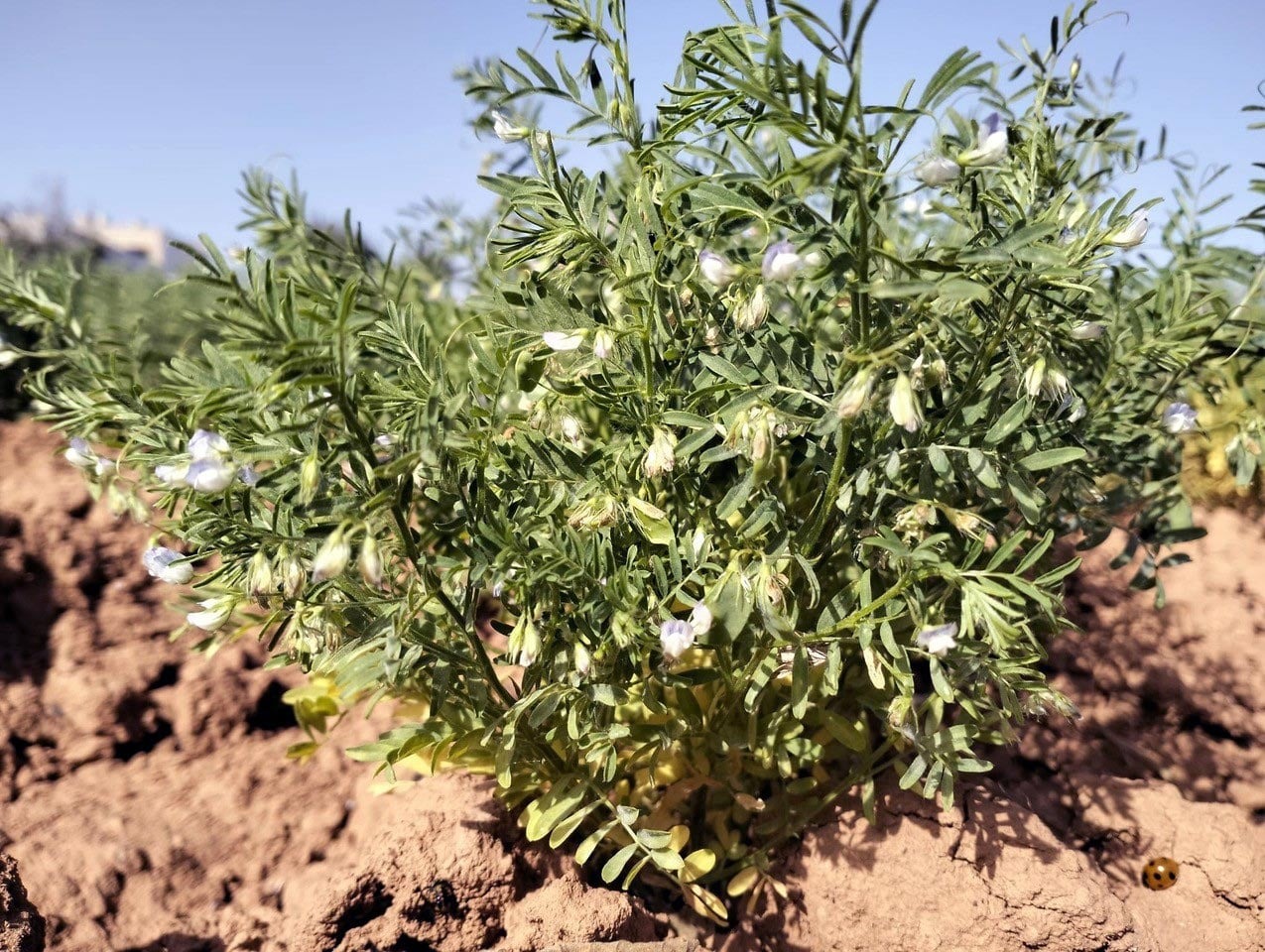
The Discovery Of Lentil Seeds Preserved For Almost 2,000 Years In Silos Dug Into The Volcanic Rock Of The Canary Islands Allowed Unique Genetic Analyses That Confirm The Continuity Of Cultivation Since The 3rd Century, Linking Current Agriculture To Migrations From North Africa.
The lentils cultivated today in the Canary Islands have a documented origin in seeds preserved for nearly 2,000 years in silos dug into the volcanic rock of Gran Canaria, according to a genetic study conducted by Spanish and Swedish researchers, with direct implications for agriculture and cultural heritage.
Genetic Discovery Connects Current Agriculture To Ancestral Practices
The identification of the lost planting results from the first genetic study of archaeological lentils, led by teams from Linköping University and the University of Las Palmas of Gran Canaria. The research analyzed ancient seeds and modern varieties from the islands.
The results indicate agricultural continuity over nearly two millennia. Lentils currently cultivated in the Canary Islands descend from varieties introduced by indigenous peoples who came from North Africa around the 3rd century, retaining detectable genetic traits to this day.
-
Helicopter Drops 180 Tons of Sand and Gravel on Swedish River to Revive Ecosystem Damaged by Decades of Exploitation

-
Brazilian Company Launches Retro Smartphone with 48 MP Camera, T9 Keyboard, and Privacy Features for Social Media-Free Use

-
Self-Taught Chinese Farmer Builds 5-Ton Submarine from Scrap, Launches It in Anhui River
-
Invisible Induction Technology Enables Wireless Power for Blenders, Coffee Makers, and Air Fryers, Reducing Countertop Cables





The absence of references to lentils in European historical accounts from the 14th century had raised questions about when cultivation began. The DNA analysis fills this gap by demonstrating the early introduction and persistence of cultivation.
Volcanic Silos Preserved DNA For Centuries
For over a thousand years, indigenous inhabitants of Gran Canaria dug silos directly into the volcanic rock, in hard-to-access areas, to store crops for long periods. In these underground chambers, stable conditions allowed for the preservation of seeds.
The DNA of the plant material survived thanks to the protected environment. This set provided scientists with an exceptional genetic record, allowing them to compare ancient seeds with modern lentils from the Canaries, mainland Spain, and Morocco.
The analyses represent one of the first uses of archaeological DNA applied to legumes. The method allowed tracking changes in agricultural practices and confirming genetic lineage between crops separated by centuries.
Evidence Confirms Introduction From North Africa
Published in the Journal of Archaeological Science, the study shows that cultivation began much earlier than previously thought. Genetic tests confirmed the introduction by the original inhabitants of the islands, linked to North African migrations.
According to researcher Jenny Hagenblad, the same type of lentil has been cultivated for nearly 2,000 years. The continuity occurred despite the drastic reduction of the indigenous population after European occupation.
The colonizers adopted established crops, maintaining cultivation over time. This fact explains why modern varieties preserve genetic characteristics of ancestral seeds, despite demographic changes.
Climatic Adaptation And Cultural Transmission Of Cultivation
The researchers point out that the prolonged survival of lentils is due to adaptation to the hot, arid climate of the islands. Resilient varieties were selected and maintained over generations, favoring the persistence of cultivation.
Another hypothesis presented involves cultural transmission. Indigenous women who married immigrants may have preserved knowledge about which crops to plant and how to manage them, maintaining essential agricultural practices.
To this day, researchers say, Canarian women demonstrate greater knowledge of food plants. This social factor may have contributed to agricultural continuity, in addition to favorable environmental characteristics.
Diversity Among Islands Expands Genetic Value
The research also identified that different types of lentils are cultivated on different islands, including in places where it was previously believed that the crop never existed. This expands the understanding of historical agricultural distribution.
Preserving specific lentils from each island is considered essential. The genetic diversity detected may have strategic value for the future of agriculture, especially in light of climate change scenarios.
Jonathan Santana from the University of Las Palmas of Gran Canaria emphasizes that this variability represents an important genetic resource, reinforcing the need for local conservation of traditional seeds.
Lanzarote Lentil And Modern Crossbreeding
Another relevant finding involves the so-called “lenteja tipo Lanzarote,” a common designation in Spanish stores. Despite the name, these lentils are not produced on the island of Lanzarote but are associated with quality.
Genetic comparisons showed that lentils cultivated in mainland Spain were crossed with Canarian varieties. The analyses indicate that Lanzarote lentils genetically contributed to crops outside the islands.
Jacob Morales from the University of Las Palmas of Gran Canaria states that the adaptation of Canarian lentils to dry, hot conditions makes these varieties relevant for future genetic improvement, especially in scenarios of global warming.
Funding, Infrastructure And Scientific Reference
The study titled “Ancient DNA of Lentils Illuminates Human-Plant-Culture Interactions in the Canary Islands” was published on September 12, 2025. The research received support from the European Research Council and the Ministry of Science of Spain.
The data analyses were performed with the National Academic Infrastructure for Supercomputers of Sweden, partially funded by the Swedish Research Council. The work consolidates genetic evidence on agricultural continuity in the islands.
By documenting the direct link between archaeological seeds and current crops, the research offers a rare scientific record. The finding reinforces the importance of the agricultural heritage of the Canary Islands and its relevance for the future of agriculture.





-

-

-

-

-

-

229 people reacted to this.