






 Portuguese
  Spanish
  3 min of reading
  0 comments


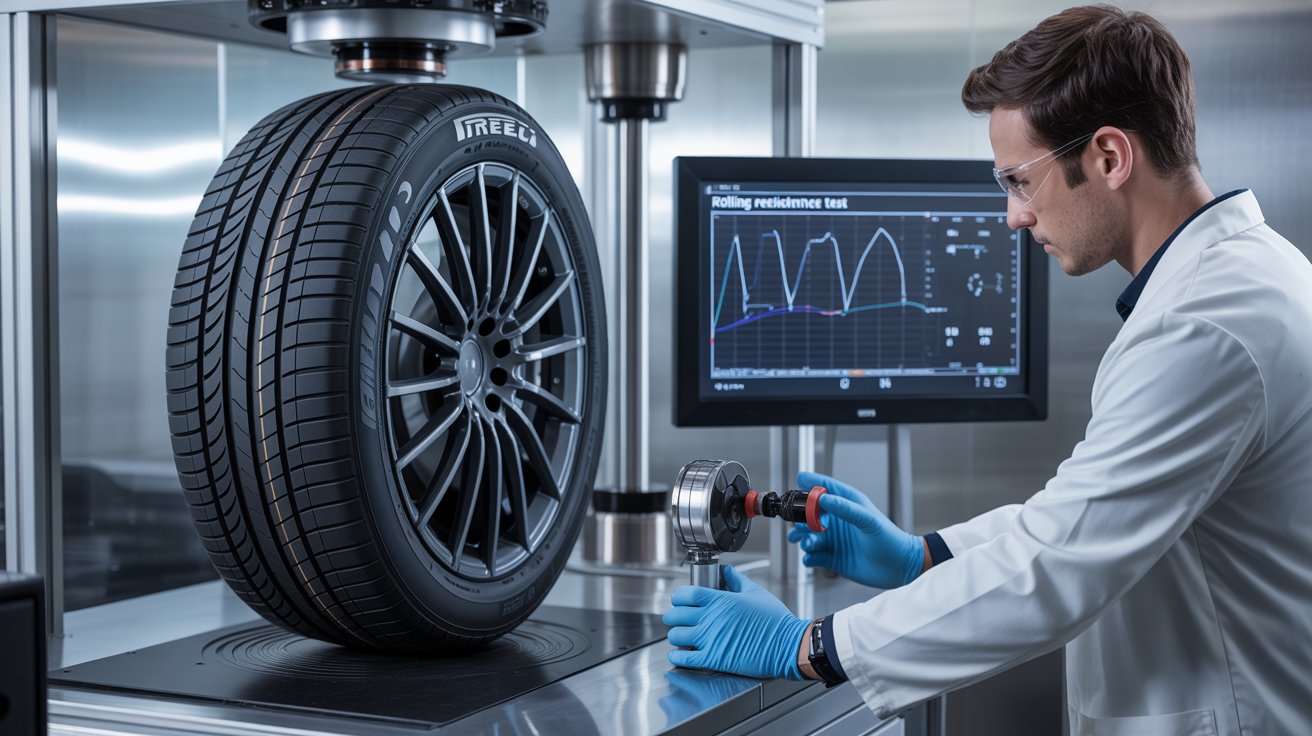
Even With High Technology and Rigorous Safety Tests, the Tires Sold in Brazil Are Among the Most Expensive in the World Because of Taxes, Tariffs, and Protectionist Policies Affecting Even Road Transport
Why Do Tires Cost So Much in Brazil in 2025? The question arises amid the surprise of drivers facing prices that exceed R$ 2,500 per unit for premium models. The phenomenon occurs throughout the country, driven by cutting-edge engineering, imported raw materials, rigorous testing, and a tax system that further increases the final product.
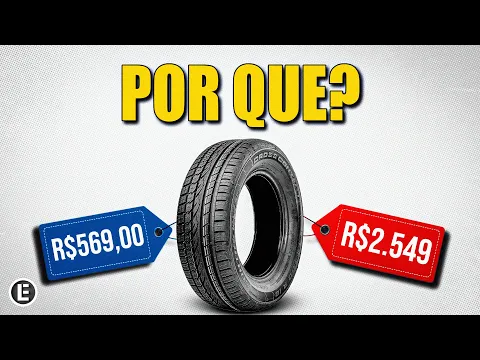
Tires like the Cinturato P7, in size 205/55 R16, currently cost R$ 569, while models used in SUVs can exceed R$ 1,499. Tires 275/45R21, used by luxury cars like the Mercedes GLE, can reach R$ 2,549. These prices reflect the complexity involved in production, which includes more than 20 components, different rubber compounds, kevlar, and even high-strength textile fibers.
In addition to materials, tires undergo rigorous testing at centers like Continental in Germany, which simulates extreme usage conditions. Performance in braking, aquaplaning, and grip are precisely evaluated, which directly influences the price of premium models, considered safer and more durable.
-
Uber Faces Shareholder Scrutiny as Board Accused of Ignoring Safety, Compliance, and Harassment Warnings Amid Over 3,500 U.S. Lawsuits

-
Ferrari’s First Electric Car Divides Fans, Priced at $630,000, Amid Concerns Over Limited Editions; Brand Clarifies It’s Not Just for Future Perks
-
BYD Dolphin Mini: The Electric Car That Defies Depreciation, Losing Only 3.58% in a Year and Becoming the Best-Selling Retail Model Under $22,000

-
Electric Car JAC E-JS4 Loses $19,000 in Value in One Year, Leading Record Depreciation of Used Cars in Brazil Due to Expensive Battery and New Models


Performance Differences Can Save Lives
The difference between cheap and high-quality tires is proven in tests like those by GT Radial in Australia, where low-cost models required up to 14 meters more to stop on wet surfaces. Websites like Tyre Reviews point out significant variations in cornering and stability as well. Generic tires suffer from irregular wear, high noise levels, and lower durability, as well as pose risks in critical situations.
Even costing up to double, premium tires can last up to three times longer, making the investment worthwhile over time. Run-flat models, for instance, allow driving up to 80 km even when punctured, ensuring safety in emergencies. However, they require specific systems in vehicles and are not easily repairable.
Beyond technology, there is a direct impact from political decisions on prices. In 2024, the Brazilian government increased the import tariff on passenger tires from 16% to 25%, citing protection of the domestic industry. This raises the cost of imported products, while local inputs remain highly taxed.
Fiscal Policy and High Tariffs Worsen the Problem
According to the National Association of Tire Manufacturers (Anip), Asian tires reach Brazil at up to 69% lower prices than the international market. However, the tariff increase ultimately penalizes the consumer, as domestic industries cannot offer more competitive prices. The result was a 4.3% drop in internal sales in 2025, while imports fell by more than 30%.

The Brazilian Association of Tire Importers and Distributors (Abidip) warns that the extra tariff could raise prices by 25% and directly impact road transport. Tires are the second most expensive input in the sector, surpassed only by fuel, further pressuring costs for small carriers, responsible for 94% of the Brazilian fleet.
The devaluation of the real exacerbates the situation. In 2024, the Brazilian currency was the fifth that lost the most value in the world. This directly affects the purchasing power of the population and the cost of living. Products like tires become more expensive, even when produced in Brazil, due to the rising costs of raw materials and logistics.
Solutions Like Diversification and International Accounts Gain Strength
With the real increasingly devalued and product prices skyrocketing, alternatives like opening dollar accounts through digital platforms are gaining traction. The proposal is to protect part of the wealth from losing value and facilitate access to international products, including imported tires, at a lower effective cost.
The information was shared by the channel “Elementar,” which published a video detailing the technical, political, and economic factors explaining the high price of tires in Brazil. The content also presents alternatives like digital dollar accounts and highlights the impact of tariffs on consumers’ finances.
What about you? Have you ever been surprised by the price of a new tire? Do you believe that the price in Brazil is justified by technology or inflated by taxes?





Be the first to react!